


Photo credit: Ted Wood/The Story Group
Drilling’s Health Impacts (start time: 7:50): A pressing question on the minds of many Colorado residents, health experts, and others amidst a surge of oil and gas activity is this: Does living near an oil and gas well harm your health? A scientist at the forefront of exploring such questions is Dr. Lisa McKenzie, a professor of environmental epidemiology at the Colorado School of Public Health at the University of Colorado Anschutz. She is the lead author on a recently published study that examines the potential impact of nearby oil and gas drilling on childhood cancer rates. The study’s important findings were challenged by the state Health Department, whose recent assessment concludes that nearby oil and gas operations poses minimal risk to residents. Dr. McKenzie talks with How On Earth’s Susan Moran about her study, and the complex science of risk, correlation and causation.
Hosts: Susan Moran, Joel Parker
Producer: Susan Moran
Engineer: Joel Parker
Executive Producer: Joel Parker
Listen to the show:

Podcast: Play in new window | Download (Duration: 27:06 — 24.8MB)
Subscribe: RSS

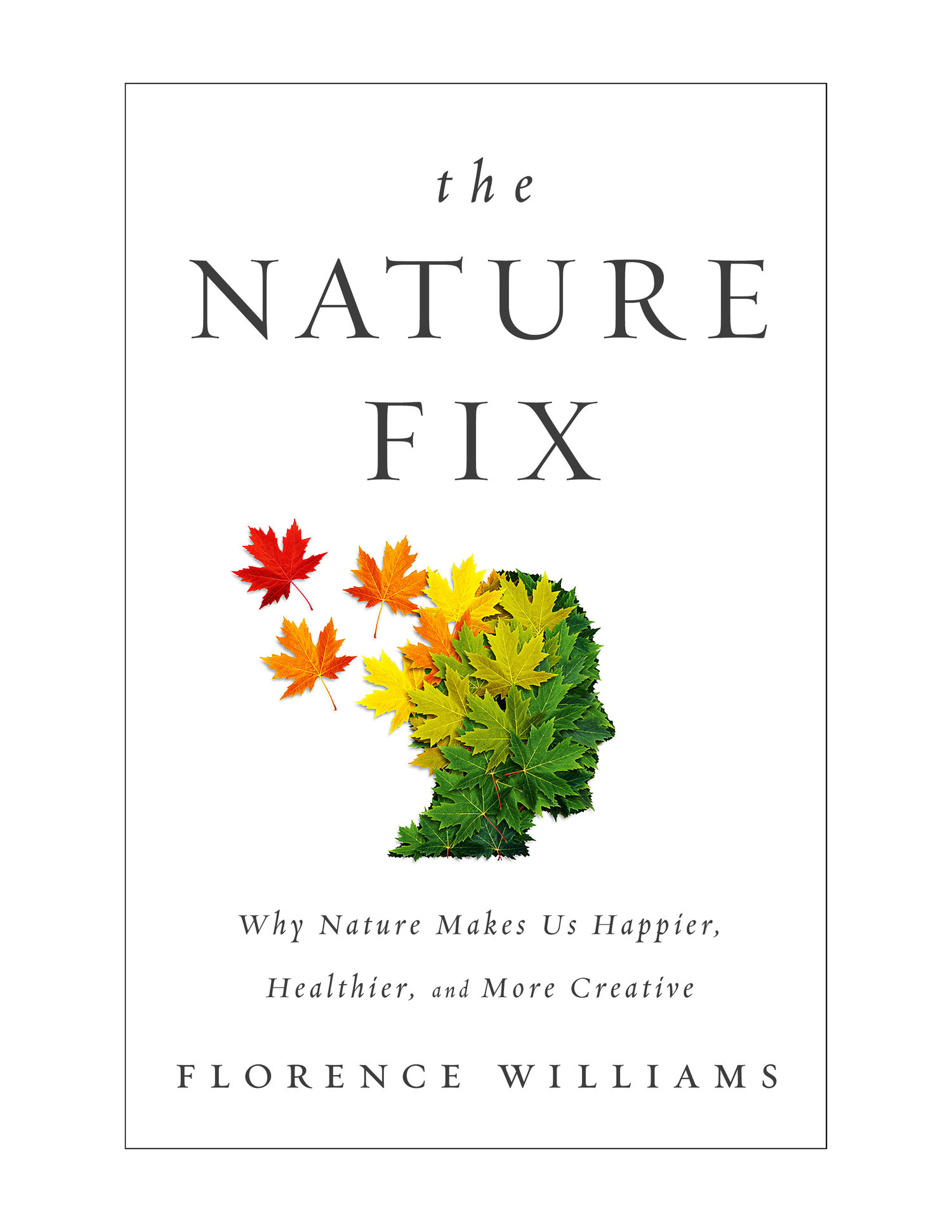
 Your Brain on Nature (start time: 5:49): You may think it’s a no-brainer: that nature is good for your mental and physical health. After all, a walk in the woods or even an urban park brightens your outlook on life, at least for a little while. Turns out, the notion that being outside in nature boosts our mood, and even our creativity, has historical roots at least as deep as
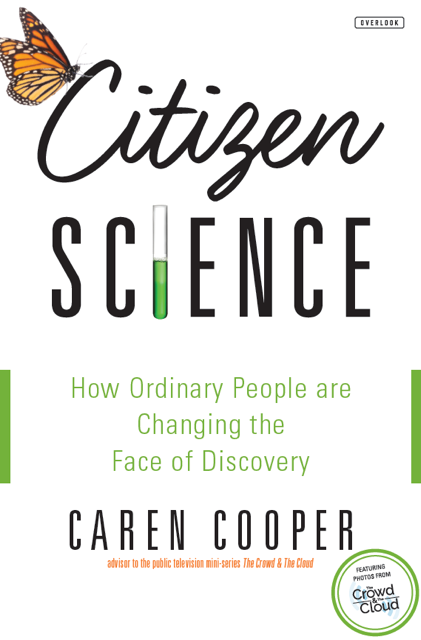
 Citizen Science (start time: 5:32): For those who would love to track birds and other creatures or to test drinking water quality in their community, for instance, but think it would require a degree in science to contribute to important scientific discoveries, our guest today aims to set the record straight.








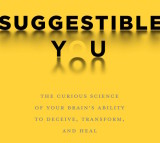 The Science of Suggestibility (start time: 5:00) Scientists are learning more and more about how our expectations and beliefs influence how our bodies, including our neurochemistry, respond to pain and disease. The researchers are discovering that we are very suggestible creatures. But we are not all equally suggestible. Some of us can cure serious ailments even when we’ve knowingly taken a placebo remedy, but others can not. Herein lies a major puzzle that vexes drug manufacturers and medical practitioners. It’s a puzzle that has intrigued

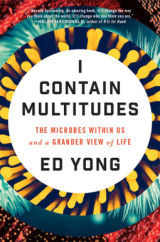 Multitudes of Microbes (start time: 3:38): You may find it unsettling to learn that our human cells make up only half of our bodies. The other half is a bunch of microbes (in the neighborhood of 40 trillion), all living and reproducing in, and on, our bodies. What’s more, these invisible machines could have a powerful influence on your brain, and on your overall health.
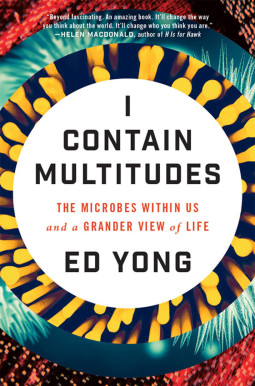 This week’s pledge- drive show features a teaser introduction to Ed Yong’s new book