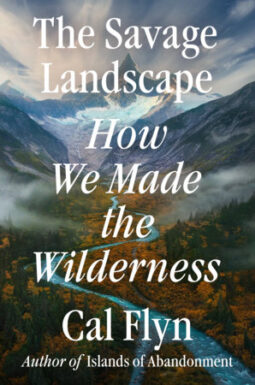
 What is a wilderness, really? Here in the US we think of it as undeveloped land, put aside to appreciate its beauty and remoteness. In other lands and cultures, wilderness is a powerful, ancient concept, at the intersection of landscape, philosophy, and ecology. For thousands of years, people have sought out uncontrolled, unknown, or uncharted nature in search of religious epiphany, self-actualization, and an escape from normal life. More recently these “pristine” places have been seen as the subject of a last effort to repair a planet imperiled by humans. In her new book The Savage Wilderness, award-winning writer Cal Flyn traverses many of these wild lands—the supposedly uninhabited wilds of the world—and finds that such truly untouched lands don’t exist: Nearly every wilderness has been or is actively inhabited by humans. Here are ascetics in search of God in the desert; lonely shepherds tending their sheep under the stars; missionaries preaching from shacks deep in the jungle; lamas meditating under lofty mountain peaks. Cal is the current Distinguished Writer-in-Residence at Wesleyan University, and has written for publications including The Guardian, National Geographic, and The Wall Street Journal. She was named a 2022 Sunday Times Young Writer of the Year, is the winner of the E. M. Forster Award from the American Academy of Arts and Letters, of the British Academy Book Prize, the Ondaatje Prize, and the Baillie Gifford Prize for Non-Fiction. And as will hear, she speaks and writes articulately and passionately about the meaning of wilderness and why we should value it.
Executive Producer: Beth Bennett
Show Producer: Beth Bennett
Engineer: Abby O’Brien
Listen to the Show:
Podcast: Play in new window | Download (Duration: 28:00 — 23.1MB)
Subscribe:



 In her new book, The Power of the Pause: 90 Seconds to Calm, Reset, and Reconnect, Jillian Pransky teaches readers how a brief 90-second break can help regulate the nervous system and stop automatic, reactive habits. Today, we get into some of the science underlying the utility of the pause, but further, we can easily use it to step out of the stress loop and into a grounded, centered presence, able to meet whatever is happening with intention and compassion. Jillian Pransky has been a mindfulness teacher, yoga therapist, and practitioner for over 30 years, giving her plenty of experience with the power of so-called somatic, or body-centered and self-awareness practices can bring about transformation, healing, and connection… in ourselves, in those around us, and in the world.

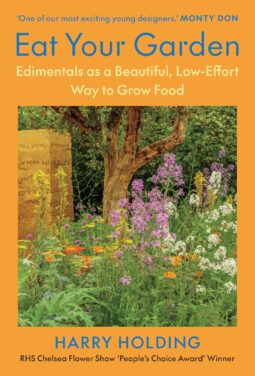 Gardens are popping up everywhere, from community plots to elementary school yards to vertical plantings. A unique approach proposed by award winning British landscaper, Harry Holding, is integrating the edible aspect of vegetable gardens with the esthetic side of flower, bush and tree landscapes. Harry is a renowned garden designer known for his award-winning creations at the Royal Horticulture Society Chelsea Flower Shown. In his gorgeous book, Eat Your Garden, he focuses on growing and designing with “edimentals” (plants that are both beautiful and edible).And, he provides a step by step approach for integrating edible gardening into any space. I’ll link to the
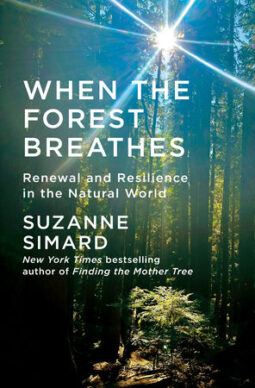 On this week’s How on Earth, Beth speaks with Suzanne Simard,
 On this week’s How on Earth, we hear from a climate scientist about the implications of our changing weather patterns for winter recreation. It’s a warm, dry winter, throughout the Rocky Mountain West and elsewhere in the country, the weather has been a mixed bag.

 On today’s science show we hear from vaccine researchers Rochelle Walensky and Angela Ulrich, and physician/scientist Peyton Thompson, about the safety and efficacy of the hepatitis B vaccine. This is one of 6 that have been removed from the list of recommended childhood vaccines by the CDC. You’ll hear about the history of the vaccine regarding its complete safety and the huge reduction in disease burden following the adoption of the birth vaccine.