PROGRESS AND CHALLENGES IN COVID-19 TESTS (starts 1:00) Beth Bennett reviews the years progress and challenges in COVID-19 Tests, including the latest tests at CU Boulder.
CU UPDATE ON COVID-19 (starts 4:15) CU Media Relations spokesperson Candace Smith gives an update on the CU COVID-READY DASHBOARD including progress on getting the Sawyer Lab ultrafast test back in action at CU-Boulder.
WASTEWATER TESTING AT CU DORMS (Starts 9:50) CU Environmental Engineer Cresten Mansfeldt explains how and why CU Boulder is testing for evidence of the coronavirus that causes COVID-19 with daily checks of wastewater coming from CU dorms.
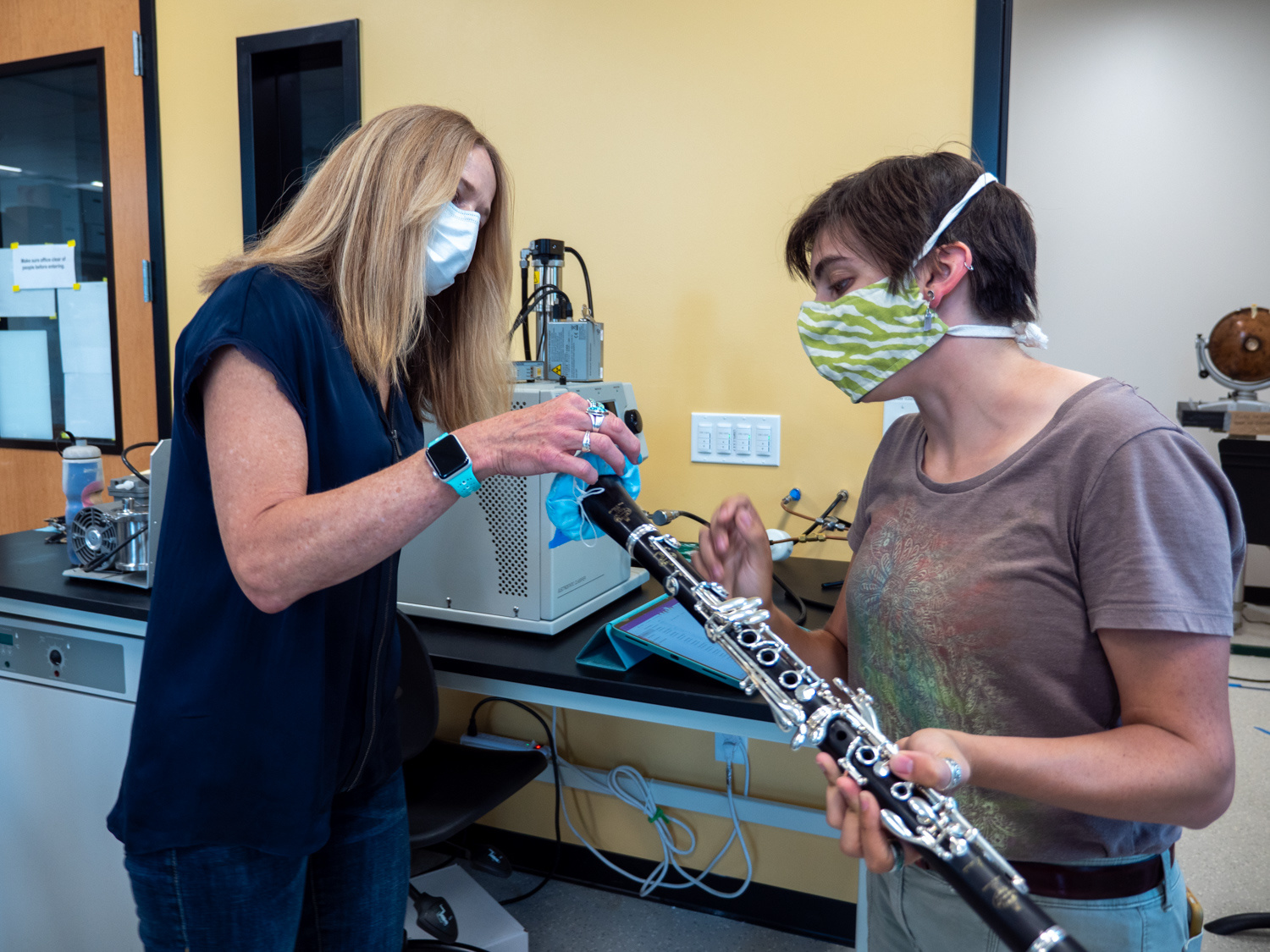
Graduate student Teyha Stockman, right, shows off her homemade bell cover made from medical mask material that helps decrease aerosol spread on her clarinet to mechanical engineering professor Shelly Miller Photo courtesy CU.
Ultrafast COVID Test Update (starts 1:00) Sara Sawyer’s ultrafast COVID saliva test might be an option sometime soon for allowing visits inside senior care facilities.
CU COVID-READY DASHBOARD (starts3:35) CU Media Relations spokesperson Candace Smith gives an update, and How on Earth’s Beth Bennett shares comparisons with other university successes and failures at opening up.
KEEPING INDOORS COVID-SAFE (Starts 9:25) CU Aerosol Experts Shelly Miller & Jose Luis Jimenez have become world-renowned for their expertise in how to reduce the risk of aerosol transmission of COVID-19, plus how CU Boulder is working with them to increase the safety of in-person CU Classrooms from COVID-19 for more, see. CU Boulder Covid Research Strategies Webinar
CU Boulder has just opened up dorms and in-person classes. The CU Boulder Covid Research Strategies Webinar presents innovative testing plans that include ultra-fast COVID tests from the Sara Sawyer Lab and an automated sewage sampling system from Creston Mansfeldt. Both tests may speed early warning of Covid. Both testing strategies are innovative and ambitious. But funding and testing capacity mean only dormitory students receive these tests. Dorm students represent around 20% of CU Boulder students. Roughly 80% of CU students live off-campus (not in the dorms). They are not slated to receive these special tests, or basically, any regular tests.
Currently, CU-Boulder COVID infection rates are low. As questions on next week’s show, we will be watching for . . . how does all this influence the ability of CU-Boulder’s innovative tests to help CU keep Covid-19 cases down and to help the campus stay open?
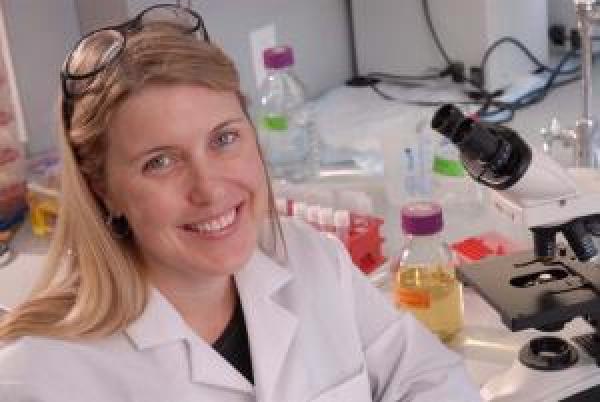
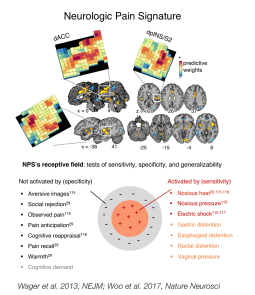
Chronic pain is a debilitating condition for millions of people worldwide. But what role does our brain play in processing pain? Cognitive neuroscientists are gaining a better understanding of how our brain processes pain. Using advanced imaging techniques, they can now measure and model brain systems linked to our pain and emotions. This is shedding new light on interventions for people who suffer from chronic pain.
In this How on Earth episode, Jill Sjong speaks with Tor Wager, Distinguished Professor in Neuroscience at Dartmouth College, and formerly Professor of Psychology and Neuroscience at CU Boulder. Jill also speaks with Charlie Merrill, a Boulder-based physiotherapist and Clinical Advisor at Lin Health, a digital integrative pain clinic. Charlie Merrill works extensively with local athletes, many of whom suffer from chronic pain.
This week How on Earth producer Beth Bennett spoke with Professor Jose Jimenez, a professor in the Chemistry Dept here at CU in Boulder. His research background for over two decades has focused on detecting and measuring aerosols. Recently he became involved in applying this expertise to the question of how the corona virus is transmitted. He and his team have developed a model that predicts the likelihood of transmission of the virus from an infected person to other people in an indoor space. Here are find links to the model, a webinar describing its development and use and his website. The interview starts at ~8 min.
Executive Producer: Susan Moran Show Producer: Beth Bennett Additional Contributions: Joel Parker Engineer: Maeve Conran
Overview:Foodborne Salmonella infections MIGHT pave the way for arthritis, Parkinson’s disease, Alzheimer’s and ALS, according to a new study about the potential long-term effects of a salmonella infection.Symptoms of salmonella infection can include fever, abdominal cramps and diarrhea. Healthy people usually get over a salmonella infection after about a week. But sometimes, people later develop creaky joints and pain — you know, arthritis. Why a brief gut infection can lead to long term arthritis has been a mystery. The new study documents how the inflammation of joints and other symptoms of reactive arthritis may involve curly “curli” proteins that cover a salmonella bacteria. These curli proteins can stick together like velcro, to produce a biofilm. Even after our bodies vanquish a salmonella infection, biofilms can remain in body tissues. If the immune system keeps attacking the biofilms, it can inflame our tissues and hurt them. For more, here’s one of the lead researchers on the new paper. He’s Aaron White from the University of Saskatchewan School of Medicine. White is Chair of Biotechnology at the School of Medicine.
TRANSCRIPT
SALMONELLA MAKE FURRY, CURLI BIOFILMS
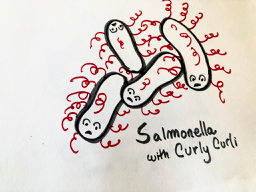
Salmonella have curly curli
Aaron White:So this study came about because Cagla Tukel is at Temple University. She had studied the Curlii protein itself and showed that if you injected into an animal, you get auto immune responses.
Shelley SchlenderSo there’s just a lot even in that one sentence, that is fascinating. Let’s start out with the body of a bacteria. I’ve always pictured a bacteria as this teeny tiny thing that looks kind of like a gel cap. You know, it’s just this blob that is kind of smooth on the outside, but in reality it has these proteins that stick out that look a little bit like fusilli noodles. They’re kind of curly.
Salmonella (Microscope View)
[Yeah. The organisms that a lot of people study in the laboratory are different than the wild type ones. So the ones in the wild are covered in these, like you say, fusilli or pasta-(shaped proteins). Their surfaces are very complex, adorned with proteins and sugars, things that enable them to interact with their world.Like with our immune system, for example.
Shelley Schlender These little bacteria are not just smooth on the outside. They have what could be antennas. They could have channels coming in.To the naked eye, under a microscope, it looks like they’re furry. It looks like they’ve got curly hair.
Aaron White That’s very accurate. I’ve been studying what they do for salmonella, enable the cells to stick together. And in the past, we had thought that that only happens kind of outside of an animal or outside of a human like as a way to survive in the environment. (SS COMMENT:In other words, when the diarrhea caused by salmonella causes the microbes to be expelled back into the world, a curli biofilm helps them survive heat, UV rays from the sun, drying out, etc etc during them time they’re on the ground, in the water, on the surface of a fruit, etc.The biofilms give the salmonella a way to survive the part of their life cycle when they’re out in the world, waiting for next next timethey can will be eaten and enter a new digestive tract and go through their life cycle once again.)
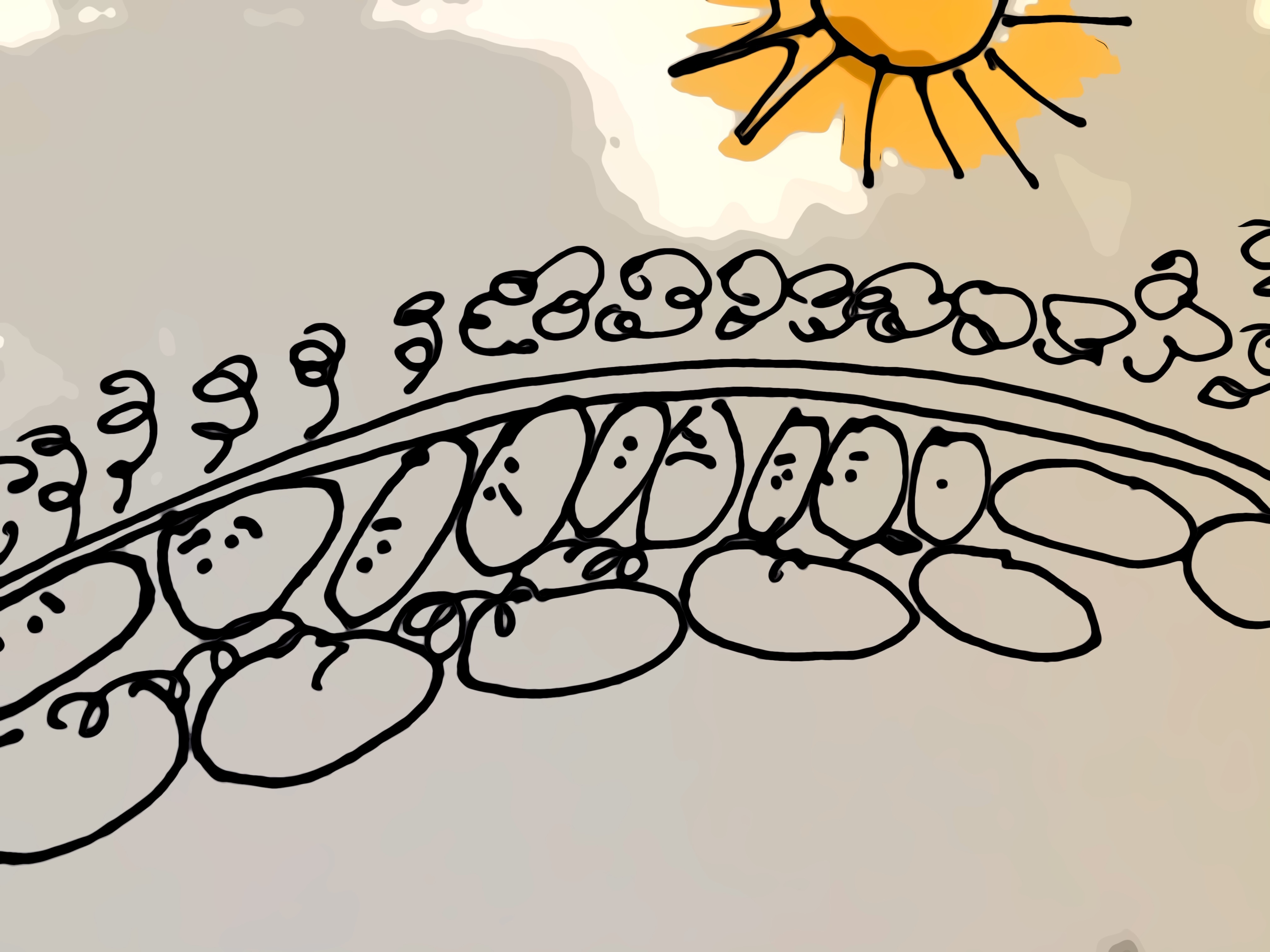
Curli Let Salmonella Stick Together in “Biofilms”
Shelley Schlender OK, we’re going to get back to how this is involved with creaky joints and maybe Alzheimer’s, maybe other autoimmune conditions like lupus and Parkinson’s disease. But it starts with the fact that these bacteria have this kind of furry curly outside that lets them stick together like Velcro to make something called a biofilm.
Aaron White Yeah, biofilm is a large group of cells that are stuck together and it provides a survival advantage for the bacteria. So they survive better as a group than they do as an individual.
Shelley Schlender:Does that mean that when there’s a biofilm with a lot of microbes hanging out together, bacteria in this case, they’re harder for invaders to find? They’re protected from the elements. What does the biofilm do for the bacteria?
Curli Biofilms protect Salmonella from drying out when exposed to the elements, such as the sun
Aaron White So that’s been a major focus of my research, is the function of biofilms. Imagine the bacteria ends up in a situation where it’s very dry. There’s no nutrients. Right? If it was this individual cell, it would be very fragile. But as a group, as a biofilm, they cover themselves in this protective coating. And that’s what Curli is part of.
Shelley Schlender Excuse me. I’m hearing a lot of beeps of e-mail.
Aaron White: You know what that is? Twitter! Because I just joined Twitter. It’s beeping at me.
Shelley Schlender: Is it beeping at you about your article?
Aaron White: Yes.
Shelley Schlender: Oh, my gosh.
Aaron White: Scientists that I know that have been on Twitter for ages. Congratulations. Or people I don’t know.
Shelley Schlender: They’re literally all atwitter about your new study.
Aaron White Yes.
Shelley Schlender So biofilms are in nature. It’s a little bit like these bacteria form a union or they form a co-operative, so that if it’s too dry, if it’s too hot, they can shelter themselves a little bit by combining together.
Aaron White: Yes, you can think of it as nature’s way to survive better. Many, many bacteria do that.
Shelley Schlender: And they’re not a multicellular animal like a mouse or a frog or us. But it gives them some advantages of cells sticking together. How about the biofilm, the bacteria on the outside? Do they sacrifice their lives?
Aaron White:There is a bit of that. Originally when we studied this, we thought how ants come together and cross the stream. They make sort of an ant raft.We thought of that for biofilms in these bacterial cells. There is some aspect, it seems like, of cooperation, but it’s all aimed at survival, to better withstand stresses. Basically, the cells themselves, too, in the biofilm are more stress resistant than individual cells would be if they weren’t in a biofilm.
Shelley Schlender: And so all of that, Aaron White, is happening out in the world, like in ponds, on the surfaces of rocks, in soil. There are biofilms.
BIOFILM SLIME INSIDE OF US!!!!!
Shelley Schlender:There has been talk among health care professionals and scientists for a long time that sometimes biofilms can form inside of us.
Aaron White You know, in our lungs, in our mouths, even in our digestive tract. Bacteria do need biofilms to help them survive too. You know, when you get a medical device or a catheter put in? Certain bacteria, It’s very accepted and known that they form biofilms on medical devices in your body, artificial joints. That’s a huge problem. Bacteria forming biofilms on the surfaces.
Shelley Schlender Ewww!! it sounds like these things end up with biofilm slime.
AARON WHITE:“(Biofilms on Medical Implants and Artificial Joints) They’re very hard to treat with antibiotics. Much harder than the individual cells are.They become a major problem. Doctors have known for many years, 50 years, that the ability of bacteria to stick together makes them more resistant to treatment. They’re associated with hospital acquired infections, those kind of things.”
Aaron White Yes, it’s very accurate. They’re very hard to treat with antibiotics. Much harder than the individual cells are.They become a major problem. Doctors have known for many years, 50 years, that the ability of bacteria to stick together makes them more resistant to treatment. They’re associated with hospital acquired infections, those kind of things.
Shelley Schlender OK, so we know that biofilms can be inside of people. And when they’re inside of people, does it make it harder for us to detect that the microbe is there or does it just make it harder for us to wipe it out?
Aaron White Harder to wipe it out. You can detect them fairly easily in some case because they’re accumulating greater numbers than they would just as individual cells. But they’re hard to treat.
CURLI BIOFILMS ARE TOUGH AS CONCRETE
Shelley Schlender: Is it like they put a layer of Saran Wrap on themselves or a skin?
Aaron White: Tougher.Concrete.
Shelley Schlender: Concrete? So these biofilms end up with kind of a concrete layer on themselves?
Aaron White:Yeah. That’s what’s unique about Curli. They’re incredibly tough, resistant proteins. Hard for your body to break down.
Shelley Schlender: There’s another complication with these. Our bodies make something like Curli.
CURLI BIOFLIMS LOOK LIKE AMYLOID PLAQUES
THINK ALZHEIMER’S :((
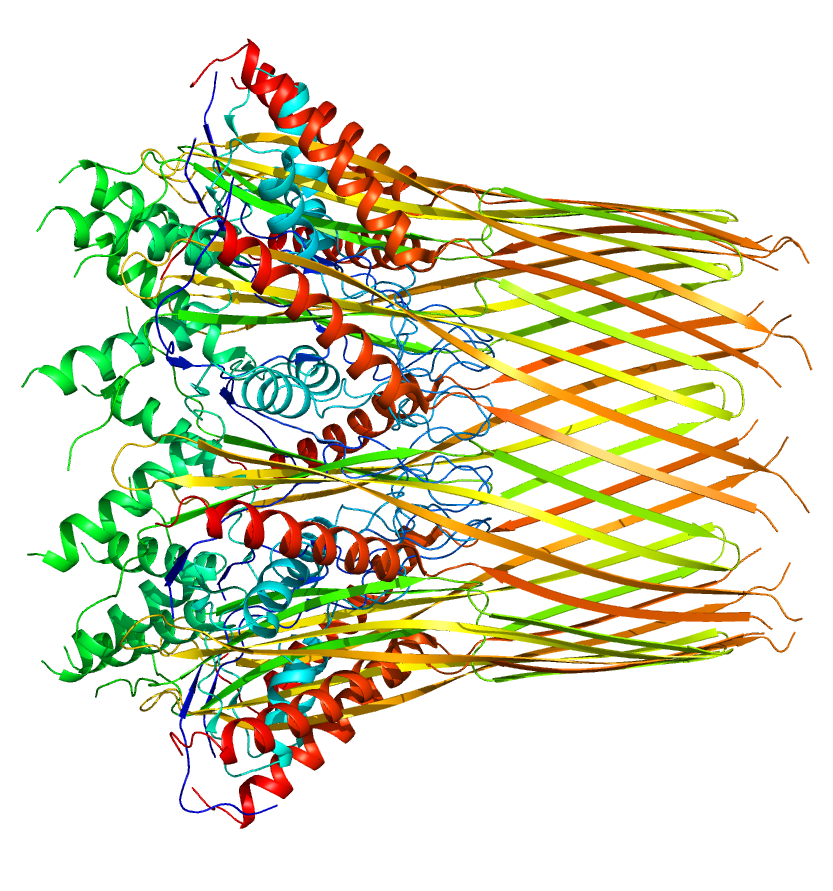
Curli Protein artists rendition cc Wikimedia
Aaron White This is a complex area to explain.What is unique and what we come to appreciate about Curli is that they’re a protein called an amyloid.
Shelley Schlender Oh, I know that term amyloid.
Aaron White Right.It’s is a very characteristic three dimensional structure.
Shelley Schlender That word amyloid comes up with Alzheimer’s disease especially.
AARON WHITE:“That was sort of the scary part of our research, really was realizing …. that Curli shares the same three dimensional structure as the amyloid plaques that form in Alzheimer’s disease. . . . Scientists, doctors have wondered how … human (amyloid) proteins start to mis-fold and how that process is speeded up. And that’s where the connection to our works comes in. ”
Aaron White Yeah, and that was sort of the scary part of our research, really was realizing, through reading the literature and other papers that were published fairly recently, that Curli shares the same three dimensional structure as the amyloid plaques that form in Alzheimer’s disease.
Human amyloid beta peptide on Wikimedia
Shelley Schlender Those amyloid plaques in Alzheimer’s disease. There’s been a longtime debate about whether those cause Alzheimer’s or they’re a sign that there’s been brain degradation. Whichever one it is, when they’re present in high numbers, it’s more likely that there’s been brain damage.
Aaron White I don’t claim to be an expert about Alzheimer’s disease. I’m learning about it. So it’s my understanding that these plaques, when they’re in the brain, they sort of cause dysfunction in the brain.
Shelley Schlender There’s the debate about whether or not the amyloid actually generates dysfunction or whether they’re a bandaid that the body puts in as a structure to keep damage from cascading. So there’s lots of questions about it. But there’s no doubt that the amyloid itself is a sign that there’s been stress inside the brain.
Aaron White Right.
Shelley Schlender Our bodies make amyloid. So not just bacteria. Our bodies make this structure that is very similar to the one in the curli proteins in microbes.
Aaron White: The difference is that the human proteins that become amyloids have a normal function, that’s not an amyloid. It’s just that they mis-fold and make these amyloids.
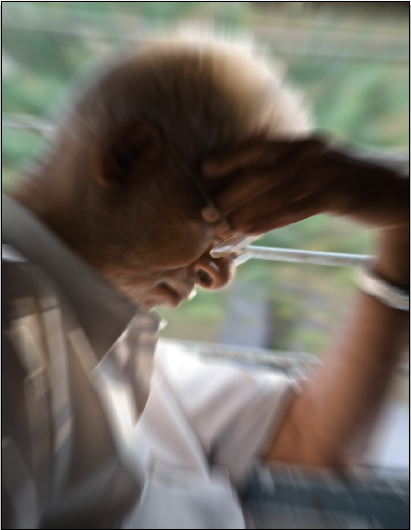
Elderly Man – Wiki
Shelley Schlender I’m going to stop again then, because you just said something else, that the proteins that we call amyloids that are associated with Alzheimer’s disease. We know that they’re a mis-folded protein. There’s something about them is folding that may make it cascade, meaning more and more get made.
Aaron White 7The scary part is how similar the three dimensional structure of curli is compared to these amyloids that are caused by mis-folded human proteins. Scientists, doctors have wondered how these human proteins start to mis-fold and how that process is speeded up. And that’s where the connection to our works comes in.
Shelley Schlender 8:16] OK, so strangely folded curli proteins on a microbe are a good thing for the microbe. It’s a good thing because it helps them stick together and make a skin and protect themselves from all kinds of things. However, the properly folded protein in the microbe looks very much like a protein looks inside of a human when it’s mis-folded and starting to do some things that are associated with a lot of damage.
Aaron White: That’s exactly it. What was so surprising about our paper, why it was such a big discovery is that these biofilms were thought to be outside the body only. So to actually discover some of these things inside the body means there is a greater chance for interactions to occur between these curli proteins and these human proteins which mis-fold.
Shelley Schlender n the case of your study, you weren’t studying what’s happening inside of a human body. You were studying what’s happening inside of the body of a mouse. But it was with these curli proteins that came from salmonella. Is salmonella unique in making a curli protein that is very similar to the mis-folded amyloid in human bodies, or are there other bacteria and microbes that can make this furry outer stuff that ends up looking very much like an amyloid, that’s mis-folded in a human?
LEAKY GUTS AND AMYLOID CURLI PROTEINS
AARON WHITE:“That’s again, a bit of a scary point. . .”
SHELLEY:“You keep saying scary and I’m getting scared. I didn’t think I’d be scared talking with you!”
AARON WHITE:“Escherichia Coli, So E. coli, the most commonly studied bacterium in history, also makes curli.In their intestines, most people have E. coli.”
Aaron White I guess what what I mean is, maybe scary is the wrong term. But I mean, what makes this more of a generalized, wide scale thing is thatEscherichia Coli, So E. coli, the most commonly studied bacterium in history, also makes curli.In their intestines, most people have E. coli. I’m not saying that they do made curli, but they have the ability to do it. Plus, there’s other members in normal bacteria that can make curli as well.
Shelley Schlender:All right. So there’s a fair number of microbes that can make this furry curli outer coating that can look very similar to the mis-folded amyloids that doctors find in the brains of people with Alzheimer’s when they do autopsies. You’ve used this the word scary. Let’s stick with that, Aaron, White, there in Saskatchewan. .
Aaron White: (LAUGHS).
Shelley Schlender: Let’s stick with that word, because are you implying that you started wondering what if a load of these microbes with these curli proteins, if they get into the body too much? What if they do something to how our immune system works, or how our own protein folding works, so that our good proteins say, Hey!Let’s take an idea from these mis-folded proteins and let’s do that, too!
Aaron White:Yeah, that’s exactly what there’s a potential for. We end up eating in our diet. A lot of these bacterial amyloids.If your intestine in your gut is functioning normally, those amyloids never get exposed to anything in our body other than the digestive tract. And the same thing goes for the auto immune responses that we noted in response to Curli. That seems to only happen once the lining of the intestine is breached.
Shelley Schlender:Well, then you’re telling us, even though there’s some scary implications to this, this has been happening for millions of years in mammals. And usually it works out OK because our digestive tract keeps the curli proteins from filtering into our blood.
Aaron White: Well, into the tissue surrounding the intestine and then, I guess, ultimately to blood. But as scientists, we tend to think of it as more intowhat we call the systemic tissues, so the tissues that are outside the intestine.
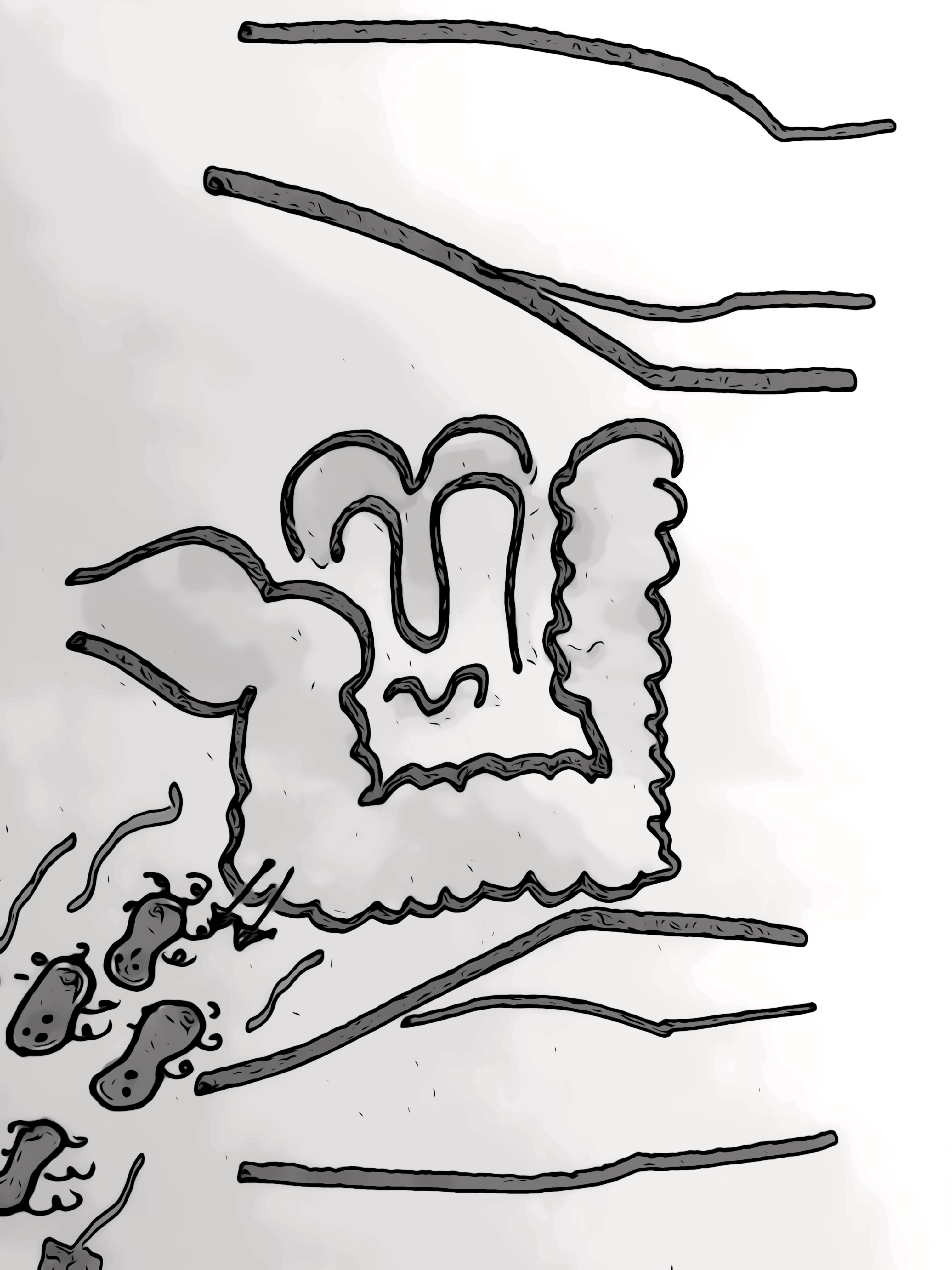
Salmonella & LEAKY GUT (also known as intestinal permeability)
Shelley Schlender That’s good news, but also not good news because there is a condition that’s been talked about for decades now called Leaky Gut.(SS COMMENT.Go to Leaky Gut Medical Sceptics for an overview about why medical groups have said a “leaky gut” is quack science.Go to Loren Cordain founder of the Paleo Diet, for a viewpoint about Leaky Gut being a real issue for many people.)A more specific term for leaky gut is intestinal permeability , where proteins from our food don’t get digested into small enough teeny tiny pieces and instead find some cracks to get through that are bigger, and so larger fragments of proteins can get into our other tissues, outside of our digestive tract. You’re nodding as we’re talking.
WE’LL CALL IT “INTESTINAL PERMEABILITY” . . .
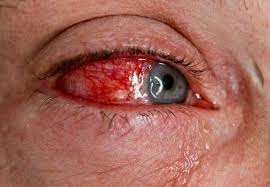
Reactive Arthritis Symptom – Red Eyes
Aaron White:You’re absolutely right. So that’s a problem. It just gives a greater chance that there’s interactions between, quote unquote, bad proteins and human proteins. That’s what was surprising to us in this paper that we published. First of all, that we could detect salmonella biofilms in the gut, but that we know salmonella during its normal infection, like food-born illness, causes mass inflammation in your gut. And that creates sort of a leaky gut syndrome, for a time period, until salmonella is cleared. But during that time, we know that these biofilms are then there, and that the curli proteins are there, and the gut becomes more permeable. And suddenly you have a situation where these curli proteins could easily be leaking out into the tissue surrounding the intestine.
Dr. Tukel has studied for years now, what happens when you inject Curli into a body and it causes autoimmunity? And so we teamed up because my specialty really is on the biofilms and detection of Curli. She had a lot of evidence that salmonella made biofilms in the body, but she’d never been able to detect it directly. And that’s where I came in and helped to detect it. And so now all the things that she had measured in previous years, we learned could happen in the course of kind of a natural salmonella infection.The biofilms were there, plus curli proteins cause these autoimmune reactions. In this case, arthritis, which is again, a surprise.
HEALTHY GUT
KEEPS CURLI PROTEINS OUT OF BODY TISSUES
Shelley Schlender:Let’s hold onto the fact that you have said that the good news is that a healthy gut that is not leaky is likely to keep these microbes and their curli proteins from going into the bloodstream.
Aaron White:Yeah. And it makes sense from a historical perspective that if our bodies reacted to every amyloid protein we saw, it would be hard to survive. You’re right. It is comforting. And that was, for me, a quite an interesting part of this paper. If the gut is intact and functioning normally, they even restrict the access of these type of proteins to the outside.
Shelley Schlender: I’m going to give my gut a little pat right now. It’s amazing some of the things her digestion does for us and the reasons to help it be healthy. There has been some thought among some health researchers and maybe some scientists too, or both, that some of the modern practices of how we live do more to mean that there’s cracks in the gut, meaning that more things leak out. There’s foods that people can eat that will mean that the gut is not in as good a repair. There are medications people can take that can mean that the gut tends to have more leaks to it. There’s the stress of pollution. There’s the stress of just stress or not getting exercise. All of these things can affect how healthy the gut is. And there is a rise of autoimmune conditions. And it looks like possibly conditions like Alzheimer’s, that may have some relationship to how healthy the gut is. Are you shaking your head going? Yeah, I’m listening to you. Or are you shaking your head going? I agree.
SALMONELLA INFECTION
LETS CURLI LEAK THROUGH
AARON WHITE:“You probably couldn’t pick a worse protein from salmonella to be inside your body.”
Aaron White:So to put it put this in perspective. And I’ve thought about this for maybe the last six months, to a year, as our paper’s in different stages of getting reviewed and then published, you probably couldn’t pick a worse protein from salmonella to be inside your body. Imagine why salmonella makes them in the first place? It’s to stick together and prevent themselves from getting wiped out. So now you’ve got that protein potentially leaking into the tissues surrounding your intestine. And they’re really, really tough. They’re really hard for the body to clear.In terms of arthritis, maybe these curli proteins can lodge into joints and things like that. And because they’re so resistant and tough, the body doesn’t clear them fast.
Shelley Schlender All right. So they’re hard to scrub away.I keep wanting to have a Brillo pad somewhere inside my body.
Aaron White:That’s very accurate way to to think about it. I 100 hundred percent agree with that. That’s the way I think about it, too. If you could scrub them away!Bacteria making a biofilm to stick together and make themselves hard to eliminate. So Curli is part of that.
Shelley Schlender Is there a possibility that our bodies, when they’re healthy, do have the ability to do good housekeeping and scrub away some of these biofilms on their own?
Aaron White:Yes, very much. And we probably encounter biofilms every day. Why it’s significant with salmonella is that salmonella has mechanisms to disrupt normal gut function, so they can make greater numbers of themselves. So they sort of disrupt the gut and then take advantage of it at the same time. Even if your immune system is perfectly healthy, salmonella has ways to disrupt that.
Shelley Schlender: Other bacteria do as well.
Aaron White: Yes.
Shelley Schlender: And when they do that, that means that the gut can be leakier. More stuff can get out. We can’t really hate these microbes, because they’re just trying to get after our hydrogen.They’re just hungry.
Aaron White: Yeah. Exactly. It’s their life cycle. They invade us. And then salmonella case, food borne illness, pass back out into the environment to infect other animals, other people.
Shelley Schlender: They’re trying to survive.
Aaron White:Yep.
Shelley Schlender: When our bodies are in good enough balance, a little of them survive, but not too many. But we want our bodies to survive.
Aaron White:Yes.
Shelley Schlender; We want to do what we can to minimize the damage they do inside of us. The problem isn’t just that it’s a curli protein.It’s that there’s often a bacteria coming out with it that’s colonizing some place. And then the Curli protein skin makes it hard to scrub away.Or concrete, as you say, the concrete of the curli protein makes a biofilm that’s hard to scrub away. But the body can scrub it away, if it doesn’t have too many other jobs it’s doing it once.You think?
AFTER BACTERIA DIE, CURLI BIOFILM
CAN STILL ALARM IMMUNE SYSTEM
Curli Biofilms Hard to Clear Even after Salmonella Die
AARON WHITE:“(Curli proteins) can go into the tissue surrounding your intestine and perhaps lodge away for months. Right?To joints. Your immune system does recognize curli and react to it. That’s the problem, because they’re such resistant proteins that could persist in your body and then you get an immune response to them.”
Aaron White: Yep, I think that’s accurate. I think the curli proteins, once they’re made, the bacteria, doesn’t necessarily have to be there anymore for them to cause problems, because they’re just so resistant.So they can go into the tissue surrounding your intestine and perhaps lodge away for months. Right?To joints. Your immune system does recognize curli and react to it. That’s the problem, because they’re such resistant proteins that could persist in your body and then you get an immune response to them.
Shelley Schlender: That’s another layer of all of this, because now we’re talking about something called autoimmunity. (SS COMMENT:Actually, he’s not talking about autoimmunity yet.He’s talking about hyperactive immunity, where the effort to clear out the curli proteins causes a lot of collateral damage in surrounding tissue.ie, “friendly fire.”).Even after the bacterial infection is killed, are you saying that our bodies can start to say, oh, my gosh, if we see a Curli protein, we need to fight it!We need to get rid of it! Even if there isn’t a bacteria underneath it.
Aaron White: They work through something called the innate immune system.
Shelley Schlender:That innate means that it’s part of the immune system that doesn’t need any training. It just goes, uh-oh, that’s a bad guy. Let’s get it out.
Aaron White:Exactly. As part of our innate immune system, they recognize certain things that they know are foreign or from the pathogen and they react to them. So this is, again, research done by a Cagla Tukel showing that these curli proteins actually bind to bacterial DNA. And it’s the two of them in complex together that really alarms the innate immune system and causes autoimmunity.
Shelley Schlender: Isn’t it amazing that our bodies can tell that a little tiny thing, teeny, tiny, is not supposed to be in our body? And try to get it out of there. That part’s good. Except for two problems. Immune cell warriors have to push their way in to try to get rid of the bad guy. And when they do that, they can damage the healthy human cells around it, as an example.
CURLI & INFLAMMATORY ARTHRITIS
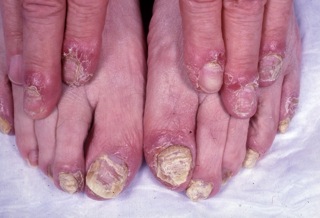
Creaky Joints
Aaron White: Yeah. And that’s one of the major things we found in this paper is this inflammatory arthritis.The problem on the joints is the immune response to the bacterial protein that’s there causing inflammation in the joints and then pain.Friendly fire, like you said.
Shelley Schlender:Yeah. And so somebody who’s had a salmonella infection or a bad bout of diarrhea as an example. And then two weeks later, goes, gosh, my joints hurt.
AARON WHITE:“… a certain number of people that have salmonella infections or other food borne illness do end up with this long term condition of inflammatory arthritis. And scientists and again, doctors have maybe assumed that that was related to the bacteria. But again, in many cases, they can’t detect the bacteria in the body anymore. So then it becomes sort of a mystery. And that’s where maybe Curli can fill in some of the gaps”
SHELLEY:“So it could be that even if the bacteria is gone and the doctor looks at someone and says, ‘I’m sorry, but there’s no evidence that you have an infection. So maybe that pain is all in your head.’Actually, maybe the pain has something to do with the body still fighting the curli proteins.”
AARON WHITE:“Yes. That potentially leaked out from the intestine into the surrounding tissues, eventually perhaps reaching a point near a joint. And, yes, the immune system responding to that.”
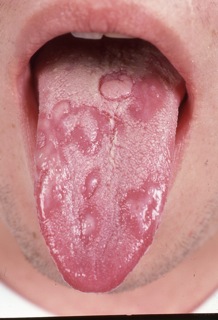
Reactive Arthritis Tongue (Dermatology Advisor)
Aaron White:Yeah. There’s a certain number of people that have salmonella infections or other food borne illness do end up with this long term condition of inflammatory arthritis. And scientists and again, doctors have maybe assumed that that was related to the bacteria. But again, in many cases, they can’t detect the bacteria in the body anymore. So then it becomes sort of a mystery. And that’s where maybe Curli can fill in some of the gaps there because it’s such a resistant protein. It’s possible it could be in your body. It persists for months. Perhaps it could explain inflammatory arthritis.
Shelley Schlender: All right. So it could be that even if the bacteria is gone and the doctor looks at someone and says, “I’m sorry, but there’s no evidence that you have an infection. So maybe that pain is all in your head.” Actually, maybe the pain has something to do with the body still fighting the curli proteins.
Aaron White:Yes. That potentially leaked out from the intestine into the surrounding tissues, eventually perhaps reaching a point near a joint. And, yes, the immune system responding to that. That’s exactly right.
HEALTHY GUTS & HEALTHY IMMUNITY
AARON WHITE:“Anybody’s immune system is going to clear some of the curli. It’s just whether it clears at all or not.”
SHELLEY:“… getting enough sleep, eating food that’s good for your body and good for your digestion, doing things to reduce stress. You might actually be helping your immune system in some huge ways.”
AARON WHITE:“Yeah, absolutely. Keeping it in balance.”
Shelley Schlender:All right. And as we’re telling this story, that is somewhat scary. It’s also possible that if a person hypothetically could pull out enough stress from the body and let the body go through a full healing process, that the body could get rid of the curli proteins and heal, and the pain potentially might go away.
Aaron White: Yeah, it’s it’s always a battle. Anybody’s immune system is going to clear some of the curli. It’s just whether it clears at all or not. And in certain individuals, maybe it doesn’t all clear. And then they have problems. But then there’s other people where their immune system does clear it all.I tend to not think of it as they cleared or they don’t. The immune system is always battling and fighting.
Shelley Schlender: The immune system is always battling and fighting. And it’s also always, in a healthy immune system, telling the troops, “It’s okay now. You can go home.” And that’s an important part of the immune system, too. Or, it says to the immune system troops, “It’s okay now. Right now, we want you to put on your medical badge and we want you to go in and start helping repair the tissues.”
Aaron White: Yeah. The ability to activate, but then also just shut itself down and prevent this friendly fire, where they damage the tissues surrounding what they’re actually trying to fight. You’ve got to keep that in check.
Shelley Schlender: Just as a reminder, getting enough sleep, eating food that’s good for your body and good for your digestion, doing things to reduce stress. You might actually be helping your immune system in some huge ways.
Aaron White: Yeah, absolutely. Keeping it in balance.
LEAKY GUTS, CURLI BIOFILMS
AND AUTOIMMUNITY
AARON WHITE:“The immune system recognizes Curli. But then because of similarities to our own DNA,it starts to cause auto immunity where it starts to actually fight our own DNA. That’s the problem. That’s the auto immunity.”
SHELLEY SCHLENDER:“Oh, dear.There’s been a term among scientists and some other folks for decades called … molecular mimicry.”
AARON WHITE:“Sure. … It is a case of almost mistaken identity where the Curli complex, the DNA shows similar to other things in our body that then our immune system would target. ”
Shelley Schlender: Let’s go back to these curli proteins that are the furry curly outer shell of a bacteria like a salmonella. There’s another thing that you keep saying, because so far we’ve actually been talking about normal immune response causing friendly fire and all of that. You’ve been using a different word. Aaron White, there at Saskatchewan University. As an expert in immunology, you’ve been using the word auto immunity. That means the body fighting itself on purpose.
Aaron White:The immune system recognizes Curli. But then because of similarities to our own DNA,it starts to cause auto immunity where it starts to actually fight our own DNA. That’s the problem. That’s the auto immunity.
Shelley Schlender: Oh, dear. There’s been a term among scientists and some other folks for decades called 3-way molecular mimicry. (SS COMMENT.April 2000 Science Paper from Loren Cordain about how gut inflammation may be part of inflammatory arthritis.)
Aaron White: Sure.… It is a case of almost mistaken identity where the Curli complex, the DNA shows similar to other things in our body that then our immune system would target.
Shelley Schlender: Something like an undigested protein ends up in the circulation.The body sees it as similar enough to one of the body’s own proteins. Then The specialized warriors’ that it sends out to really take something out like the T cell warriors, they will go, gosh, that’s the bad guy. And this other one over here looks almost like the bad guy. Let’s just say that’s another bad guy.
Aaron White: Yeah. They can’t tell them apart. I’m not an expert in immunology, Dr. Tukel knows more about that. But that’s one of the next things to look at is the mechanisms behind why Curli actually causes auto immunity and what the process is and the involvement of T cells and things like that. But it is a case of almost mistaken identity where the Curli complex, the DNA shows similar to other things in our body that then our immune system would target.
Shelley Schlender 25:16] And that’s auto immunity. You know, there is some evidence that all of our cells work very hard to say what team they’re on. They have little markers that they send up, little flags that say, I’m part of us, I’m part of our human body. And it’s a specialized tag that should be different from what’s on something like a Curli protein.
Aaron White:Yep.
IMMUNE SYSTEM EYE GLASSES
Ellery Queen with Magnifying Glass
Shelley Schlender: If the immune system’s healthy, it has sharp glasses on. It can really tell the difference between those things, as opposed to having poor vision. Maybe the immune system gets too exhausted. It’s still fighting very hard, but it doesn’t have the ability to discriminate and communicate with other cells enough to tell whether that’s really a good guy or a bad guy. So a tired out immune system that’s been fighting something really hard is more likely to make these kinds of mistakes.
Aaron White:Yeah, it’s, as most things with infection and immune response, there’s many, many factors to it. But certainly that would be one aspect of it, how well they recognize our own molecules as self versus foreign, but also the pathogens that come in. They can turn it upside down, create dis-balance right. And then suddenly know your immune system stats targeting our own tissues.
Shelley Schlender: In auto immunity instead of sending in the medics to say, it’s OK, let’s start repairing things now, let’s cool things off. These exhausted immune system says we’ve got to throw everything we can at this and fight and fight and fight.
Aaron White: Picking up from there. So now imagine a foreign protein that’s clearly foreign that is really, really hard to clear. So it stays there for a long time. That’s the problem. It’s kind of like this constant stimulus to the immune system, these really resistant proteins that have similaritiesto amyloids, which is another aspect, but also persist for a very long time, can trigger auto immune reactions. And that would be fine, maybe, if that was approaching, that could be cleared right away. But if it’s a protein that can persist in your body for a long, long time, it becomes chronic.
Shelley Schlender: And it makes it easier for the body to start to make mistakes about, It looks so much like these other proteins in me, maybe they’re enemies, too.
CURLI PROTEINS AND MANY DISEASES
Aaron White: Exactly. There’s more chance for errors to occur because it’s this constant stimulation of your immune system. It’s doing its normal natural thing. It’s just maybe that proteins aren’t supposed to be there.
Shelley Schlender:OK. So the paper that you’ve written with that complex title, In Vivo Synthesis of bacterial amyloid curli contributes to joint inflammation during salmonella infection. All of this stems from those observations. And some of this is new, especially the idea that these biofilms of this concretey kind of curli protein could actually be inside the body.
AARON WHITE:“The discovery (of curli biofilms) inside a body (due to gut inflammation during a salmonella infection) is totally revolutionary for me and my research because it opens up this whole area of interactions with the immune system. And so that was the big surprise.”
Aaron White:Yeah. That’s. For me, as for somebody who’s been studying the biofilms and the environmental aspects, like how they’re involved in helping salmonella to survive outside of a body, the discovery inside a body is totally revolutionary for me and my research because it opens up this whole area of interactions with the immune system. And so that was the big surprise. I for years thought that these biofilms, you know, we know they’re involved in resistance and persistence. Now, imagining that this might be a normal natural part of a food borne illness, that they form these biofilms before they pass out of the body.
Shelley Schlender:And it’s one of many examples of ways that something that was inside of our digestive tract can end up in our bodies when it’s really not good for it to be inside our bodies, unless we have a healthy digestive tract to keep them out.
Aaron White: Exactly. And to be clear, like we need to do more research on this, but I think salmonella is making these curli and these biofilms for its own end to help it survive, As soon as it passes out of the body.(Ie, getting ready for bright sunshine, dry air, etc on the ground, on water, etc)It’s just unfortunate that these curli proteins are so resistant, and that they are like these amyloid shape.Because they can persist and then perhaps leak out into the tissues. It’s almost like collateral damage.Salmonella doesn’t need to do that. It’s just unfortunate that these proteins just are so difficult to clear and cause these autoimmune responses and potentially even have these interactions with amyloid in our bodies.
Shelley Schlender: It’s not that these bacteria that are looking for food inside of us are saying, “When we leave the body, let’s be sure that we squirt a lot of curli proteins into the tissue to wreak havoc inside this body just because why not?”That’s not how they’re thinking.
Aaron White: Exactly. It’s a consequence probably of just the infection. It’s just unfortunate. And that’s what came to me and to Dr. Tukel as we were writing this paper. Like I said, you couldn’t pick a worse protein from salmonella to be hanging around in your body.
Shelley Schlender:Well, this is a very Canadian attitude. You guys are really live and let live.
Aaron White: Sure. I just think the ability of Salmonella to make the curli doesn’t really appear to help them in the infection. It doesn’t help them, infect better or anything like that. It seems to me, and to other researchers, that the function of the curlis is to help salmonella survive, probably when they’re outside the body (in the air or on the ground). It’s just that our immune system is exposed to these proteins sometimes, and it does maybe bad things to our immune system.
HOW TO CLEAR CURLI – STAY TUNED
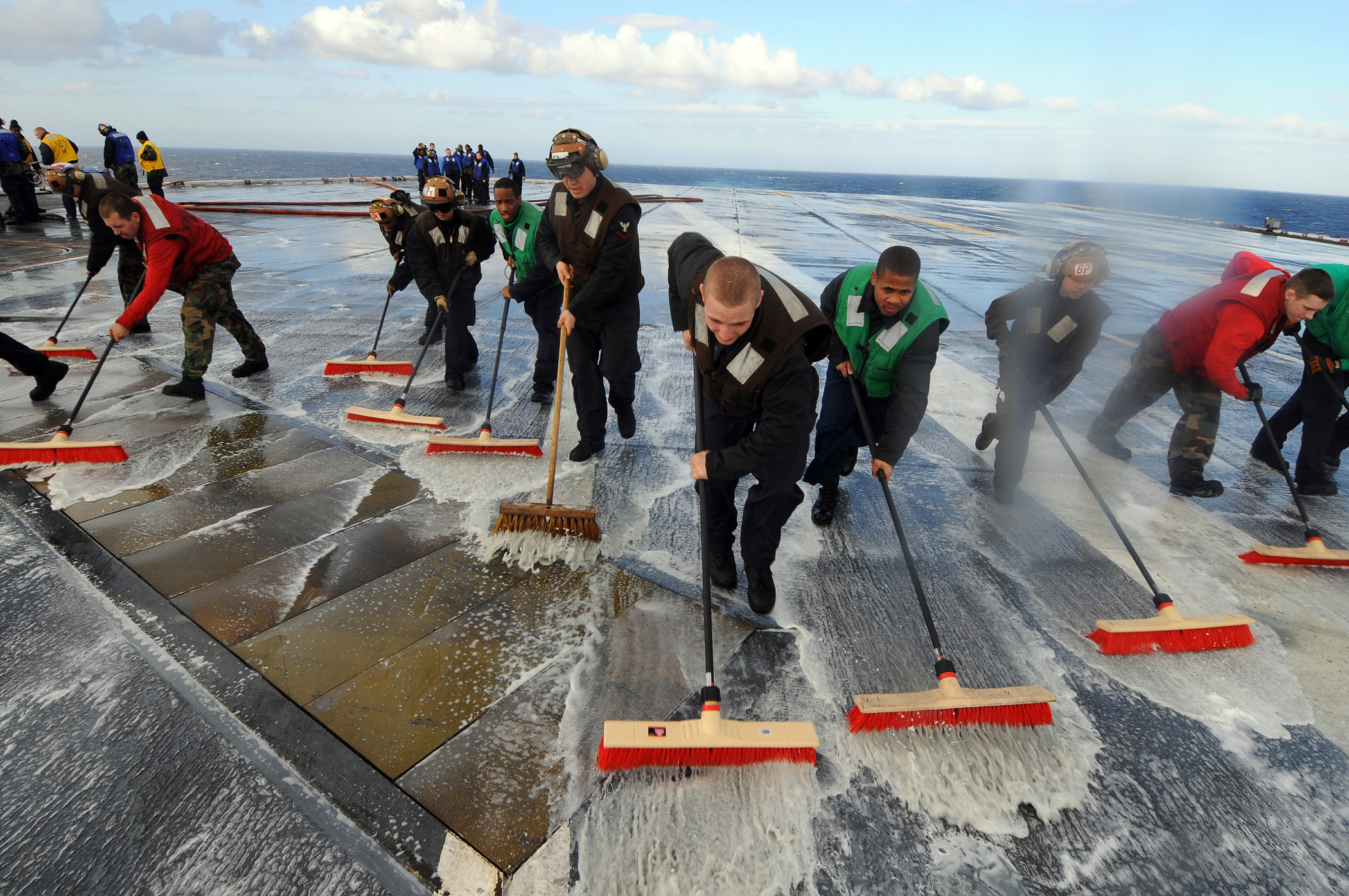
SCRUBBING THE DECKS. (U.S. Navy photo by Mass Communication Specialist 3rd Class Matthew Bookwalter/Released)
Shelley Schlender Well, thank you. It’s it’s a fascinating area of research. And there’s two ways that my mind wants to go on this.One is I wish I could be little tiny, long enough to go and watch all this happening inside the body. It’s so fascinating that these little tiny things we can’t even see, have these complex lives that they’re living. The other part, though, is on the side. That’s my life and the lives of people I care about. How will medical science and healers use this kind of information to see if they can help people be healthier? Could it be that a naturopathic physician would say, clean up your diet, avoid foods that cause intestinal permeability, and somebody who’s in pharmaceuticals would say, let’s find a drug! There will be a lot of different ways, for better or worse, to try to change the fact that these biofilms probably do form inside our bodies.
SHELLEY: “Could it be that a naturopathic physician would say, clean up your diet, avoid foods that cause intestinal permeability, and somebody who’s in pharmaceuticals would say, let’s find a drug! There will be a lot of different ways, for better or worse, to try to change the fact that these biofilms probably do form inside our bodies?”
AARON WHITE:“I used the term scary. It’s also helpful to learn these things. Because then as scientists and doctors and pharmaceutical companies, at least we will know more the story of why it’s happening.And then the second you know that, then you can start to work on strategies to stop it from happening.”
Aaron White:Yeah. And, you know, I used the term scary. It’s also helpful to learn these things. Because then as scientists and doctors and pharmaceutical companies, at least we will know more the story of why it’s happening.And then the second you know that, then you can start to work on strategies to stop it from happening. If you know the molecules that are involved, the proteins involved, like these curli, perhaps then we can think of ways to protect ourselves from them in future. And certainly some of my research will be doing that.
Shelley Schlender: How to protect ourselves from the Curli inside our body. These Velcro like proteins that are on the outside of the shell of a bacteria, and find ways that our immune system can be constructive in how it responds as opposed to overreacting and hurting us more.
Aaron White: Exactly. You know, these types of discoveries that maybe open up a new avenue of interactions that we didn’t even know occurred before. You know, you have a target now. Our discovery is uncovering more to this story, helping us determine better ways to treat autoimmunity or inflammatory arthritis, things like that.
Shelley Schlender: Maybe Alzheimer’s, maybe Parkinson’s, maybe lupus, a lot of different things, possibly have some connection to what you’ve figured out.
AARON WHITE:“Maybe the scary part is just how similar the structure of these curlis is to the human amyloids that are known to be part of Alzheimer’s and Parkinson’s and ALS and things like that. They’re very, very similar. Knowing that these bacterial proteins, these curli, can persist for a long, long time. We haven’t made that connection yet. But it certainly seems logical from a science perspective that it would make sense that these can potentially interact.”
Aaron White: You know, there’s still lots to be tested and researched. And maybe the scary part is just how similar the structure of these curli is to the human amyloids that are known to be part of Alzheimer’s and Parkinson’s and ALS and things like that. They’re very, very similar. Knowing that these bacterial proteins, these curli, can persist for a long, long time. We haven’t made that connection yet. But it certainly seems logical from a science perspective that it would make sense that these can potentially interact.
Shelley Schlender:Well, it’s probably too early for there to be a consensus about how to deal with this. But I’ll bet you in your Twitter feeds that you’re getting right now, you’re going to be seeing a lot of ideas.
Aaron White: Yeah, for sure. And because I’m not an expert in these human amyloid diseases, I haven’t really delved into it deeply yet. We’ll be collaborating with other scientists who are experts in these other diseases to try and see if there actually is a link and then perhaps how to slow down the process, if it is happening, lots to think about there.
Shelley Schlender: Well, that would be another two days worth of conversation.
Aaron White: Thank you. My pleasure speaking to you. Really good questions. Yeah, it was good.
Shelley Schlender:Thank you for the good explanations and thank you for the research.
Salmonella Biofilms — Inside of Us. (starts 4:06) Foodborne Salmonella infections MIGHT pave the way for arthritis, Parkinson’s disease and even Alzheimer’s. We talk with Aaron White, co-author of a new study documenting how a salmonella infection can “leak” out of the intestines and form velcro-like biofilms in body tissues. These biofilms are made of curly-shaped, curli (scientific name) proteins on the surface of a Salmonella bacteria. These curli proteins help the cells stick together. They’re hard for the body to scrub away, and they might contribute to a number of health problems. (GO HERE for Extended Version TRANSCRIPT with links to related research)
Headlines – WHY Covid causes loss of smell; Sensors from Louisville Vaisala on new Mars Explorer, Perseverance.
Five years ago today on July 14, 2015, the New Horizons spacecraft made the first reconnaissance of Pluto, collecting data that continue to be analyzed and provide surprises of this distant world. On this 5th anniversary of the Pluto flyby, our guest is Dr. Carver Bierson, who is a planetary scientist at Arizona State University. Carver has been involved with the New Horizons mission, and recently published a paper about Pluto based on data from the mission. We talk with him about results in the paper titled: “Evidence for a Hot Start and Early Ocean Formation on Pluto”
This week on How on Earth, Beth interviewed Scott Lehman of the University of Colorado here in Boulder. Dr Lehman collaborated with a team at NOAA, to develop a novel technique to identify the CO2 released by burning of fossil fuels, allowing its exact calibration in the global carbon budget. Due to technical difficulties, you can’t hear Beth’s questions in the audio, but Scott’s responses are very clear. You can find more information at his website and read his recent paper published two weeks ago in PNAS.
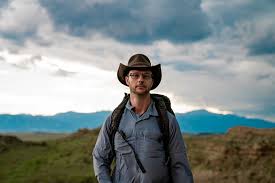
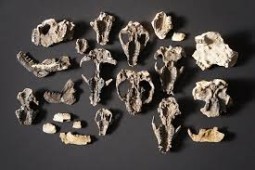
In this episode Angele Sjong interviews Tyler Lyson, a vertebrate paleontologist at the Denver Museum of Nature and Science, about his team’s extraordinary fossil discovery at the Corral Bluffs.
When the asteroid destroyed most of life on earth 66 million years ago, including the dinosaurs, this cataclysmic event ended the Age of Reptiles and began the Age of Mammals.Paleontologists have long struggled to understand the first million years of the Age of Mammals, however. What kinds of mammals survived this event? When and how did mammals become big again? When did mammals begin to diversify? What was the plant life and climate like at this time? The animal and plant fossils at Corral Bluffs shed light on this critical time period in earth’s history that has been a mystery for so long.

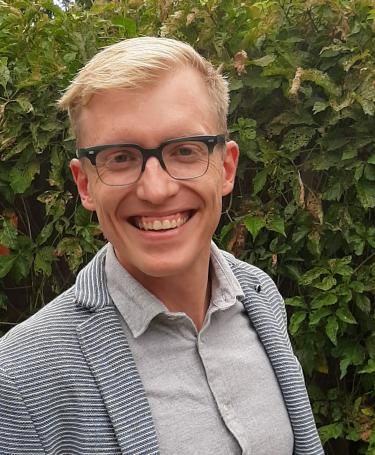





 Chronic pain is a debilitating condition for millions of people worldwide. But what role does our brain play in processing pain? Cognitive neuroscientists are gaining a better understanding of how our brain processes pain. Using advanced imaging techniques, they can now measure and model brain systems linked to our pain and emotions. This is shedding new light on interventions for people who suffer from chronic pain.









 Five years ago today on July 14, 2015, the

 This week on How on Earth, Beth interviewed Scott Lehman of the University of Colorado here in Boulder. Dr Lehman collaborated with a team at NOAA, to develop a novel technique to identify the CO2 released by burning of fossil fuels, allowing its exact calibration in the global carbon budget. Due to technical difficulties, you can’t hear Beth’s questions in the audio, but Scott’s responses are very clear. You can find more information at his