

 Five years ago today on July 14, 2015, the New Horizons spacecraft made the first reconnaissance of Pluto, collecting data that continue to be analyzed and provide surprises of this distant world. On this 5th anniversary of the Pluto flyby, our guest is Dr. Carver Bierson, who is a planetary scientist at Arizona State University. Carver has been involved with the New Horizons mission, and recently published a paper about Pluto based on data from the mission. We talk with him about results in the paper titled: “Evidence for a Hot Start and Early Ocean Formation on Pluto”
Host / Producer : Joel Parker
Engineer: Maeve Conran
Additional Contributions: Beth Bennett
Listen to the show:

Podcast: Play in new window | Download (Duration: 28:32 — 26.1MB)
Subscribe: RSS


 This week on How on Earth, Beth interviewed Scott Lehman of the University of Colorado here in Boulder. Dr Lehman collaborated with a team at NOAA, to develop a novel technique to identify the CO2 released by burning of fossil fuels, allowing its exact calibration in the global carbon budget. Due to technical difficulties, you can’t hear Beth’s questions in the audio, but Scott’s responses are very clear. You can find more information at his
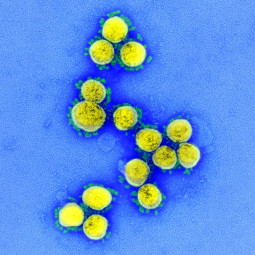
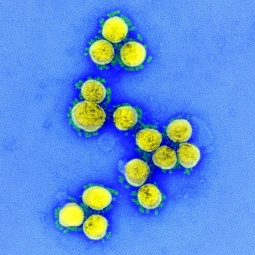 This week on How on Earth, Beth delves into the science of vaccination for the new corona virus and speaks with Dr David Werner of SUNY Binghamton about his research on the likelihood that general anesthetics can set children and adolescents up for the risk of later alcohol abuse. Find out more at his

 Today on How on Earth, Beth plays part of a
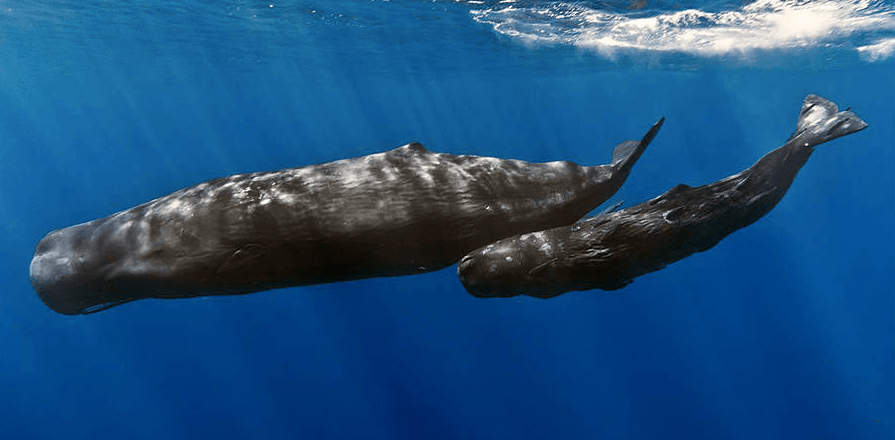


 Beth and Angele discuss the pros and cons of mask wearing as protection against the novel corona virus. You can see the

 With graduation season is upon us, today’s edition of How on Earth is our annual “Graduation Special”. Our guests in the studio today are scientists who have or will soon receive their Ph.D. in a STEM-related field. They talk about their thesis research, their grad school experiences, and what they have planned next.
 Hayley Sohn – CU Boulder,
  Clement Zheng – CU Boulder,
  Jennifer Berry – CU Boulder,
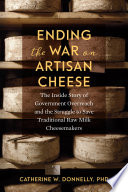
 This week on How on Earth, we speak with Professor Catherine Donnelly, of the University of Vermont, about her book,