
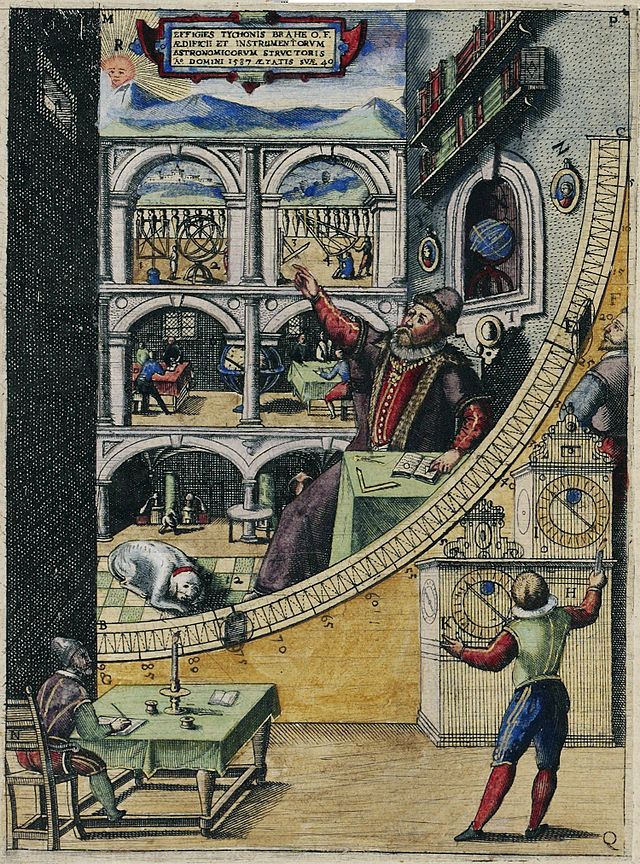

Astronomy Through the Ages (starts at 4:10): If I ask you to close your eyes and imagine an astronomer, what do you see? Maybe you think of a lone figure hunched all night over the eyepiece of a telescope in a big, domed observatory. Maybe you think of Jodie Foster, as Ellie Arroway in the movie Contact, wearing headphones to listen in on cosmic radio waves at Arecibo.
My mind always wanders back to a woodcut of Tycho Brahe’s 16th-century observatory, filled with intricate equipment for making naked-eye observations of the night sky.
But do any of these ingenious images actually resemble the life of an astronomer today? And how are new technologies and “big data” changing the way we study stars today and in years to come?
To discuss those questions, we’re joined in our Boulder studio by Dr. John Bally, a professor of astronomy at the University of Colorado, and Dr. Seth Hornstein, director of the Sommers-Bausch Observatory on the CU campus.
Hosts: Shelley Schlender, Ted Burnham
Producer: Ted Burnham
Engineer: Shelley Schlender
Additional Contributions: Jane Palmer
Executive Producer: Joel Parker
Listen to the show:

Podcast: Play in new window | Download (Duration: 24:31 — 22.4MB)
Subscribe: RSS




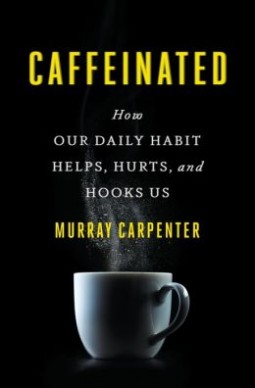 Caffeine and Athletics (starts at 4:35): Chances are you’ve already had a cup of coffee this morning or, if you are like me, it was a cup of tea. Or maybe, if you are truly hedonistic, you started the day with a bar of chocolate. Either way, if any of these options are part of your daily routine you’d be one of the 90 percent of people in this country that regularly consumes caffeine, America’s drug of choice.
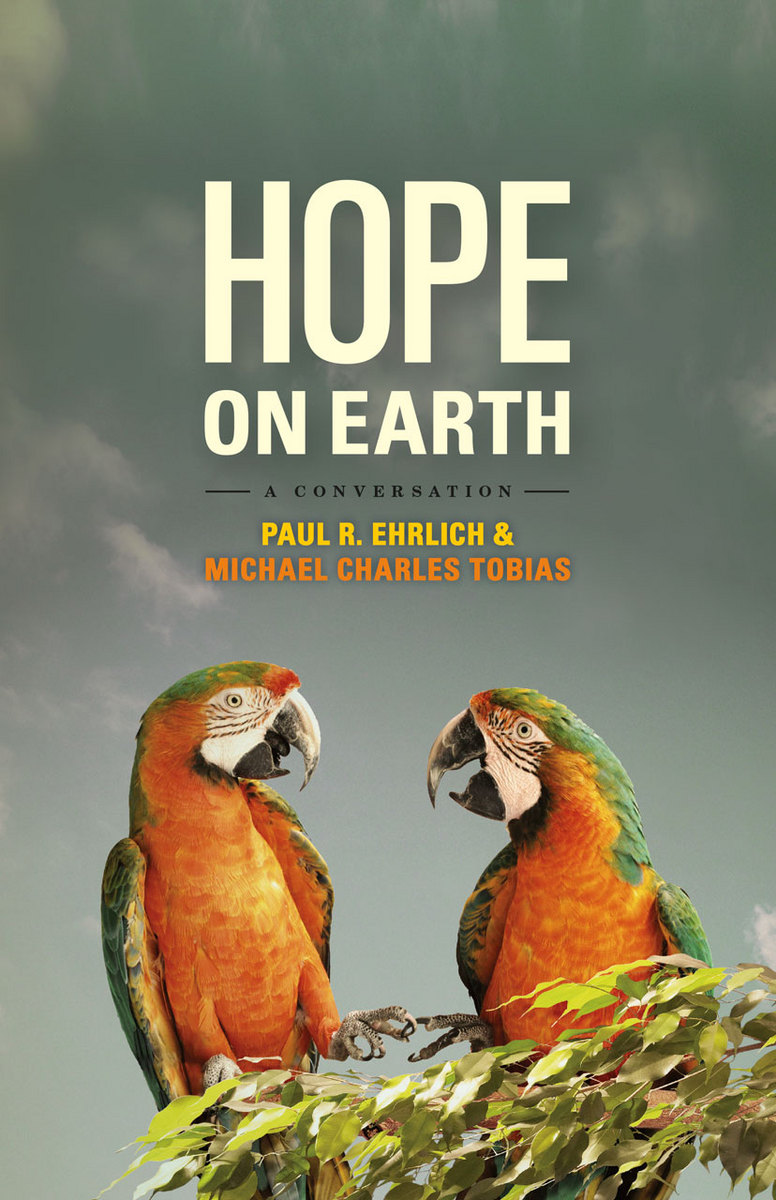
 Hope On Earth (starts 7:08): Few people have thought as critically and deeply about the state of Earth and our role on it than
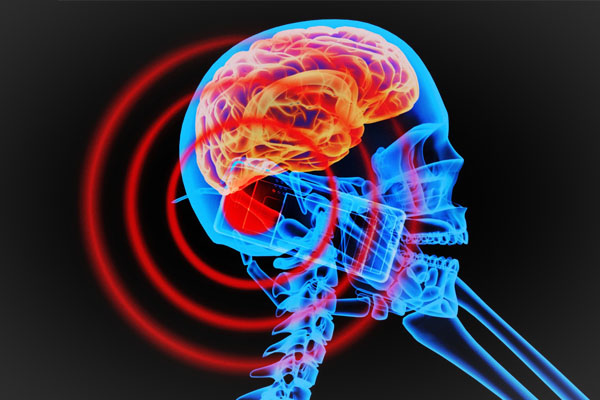


 Massive stars (start time 6:45)





 Gold Lab Symposium (starts at 3:42): Biotech entrepreneur
 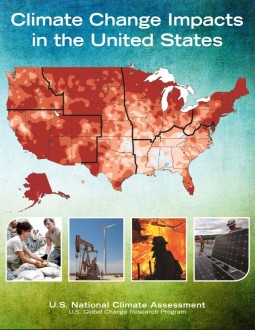 U.S. Climate Change Report (starts at 11:50) The


 Baseball Vision (starts at 5:42): The major league baseball season is now in full “swing.” Fans may take it for granted that these professional athletes are in top physical condition. What’s less known is how important it is for baseball players to have perfect eyesight. Batters in particular have some of the best vision in the world. To find out how scientists know this, and study it, and even make it better, How on Earth’s Shelley Schlender last month headed down to spring training in Arizona. There, she caught up with two of the nation’s top experts on the science of vision, and sports.