
 In today’s show Beth talks with Aric Prather, a professor of psychiatry and behavioral sciences at the University of California, San Francisco, where he co-directs the Aging, Metabolism, and Emotions Center. A licensed clinical psychologist, he has helped hundreds of patients improve their sleep. In his new book, The Sleep Prescription, Dr. Prather describes the solutions that he uses in the clinic to regain normal sleep. In our conversation, Dr. Prather shares the science behind the simple yet effective techniques that can restore one’s sleep.
Executive Producer: Susan Moran
Show Producer: Beth Bennett
Additional Contribution: Shelley Schlender
Engineer: Shannon Young
Listen to the show:

Podcast: Play in new window | Download (Duration: 26:08 — 23.0MB)
Subscribe: RSS

 How on Earth’s Beth Bennett talks with authors
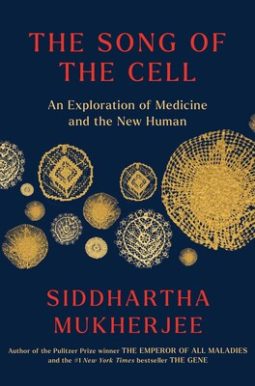 Today on How on Earth, Beth talks with Dr Siddhartha Mukherjee. His first book, The Emperor of All Maladies, won the Pulitzer Prize in 2011. His
 Starting this week, the FDA has approved the
  On today’s show Beth talks to Prof Michael Breed about honeybees. Sure, there is a little on their decline which is concerning to all of us, but we focus on many remarkable aspects of their biology. If you want to go deeper, you can visit
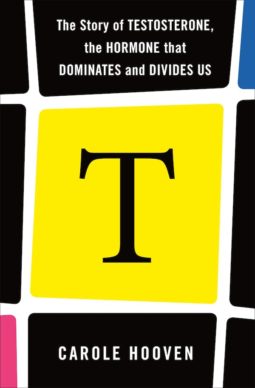 ON this week’s show, Beth talks with Carole Hooven about her new
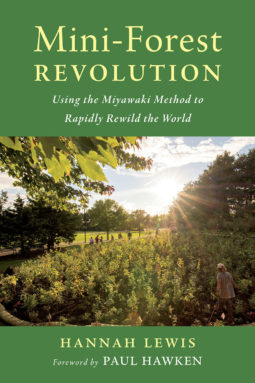 In this week’s How on Earth, we look at 3 aspects of climate change: its role in disease incidence and transmission; some effects of the new climate change legislation; and how ‘micro-forests’ can mitigate temperature and water loss. The latter comes from an interview with author Hannah Lewis and her book
 This week on How on Earth, Beth talks with Dr Seven Hussey about his recent
 This week on How on Earth, Beth speaks with Susan Allport, an award-winning writer who has written extensively on science. They talk about her book on omega 3 fats, The Queen of Fats, namely the touted omega-3 fatty acid. These essential fats can’t be synthesized by the human body and must be obtained from our diets. The conversation ranges widely, including details as to why they are so critical to health and some of the unique evolutionary history of our species that makes them so necessary. You can find out more about these amazing molecules at
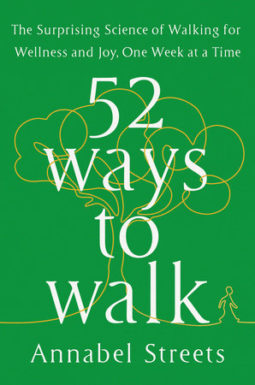 In this week’s show Beth talks to author Annabel Streets. Her book