Wildfires & Smokey Skies

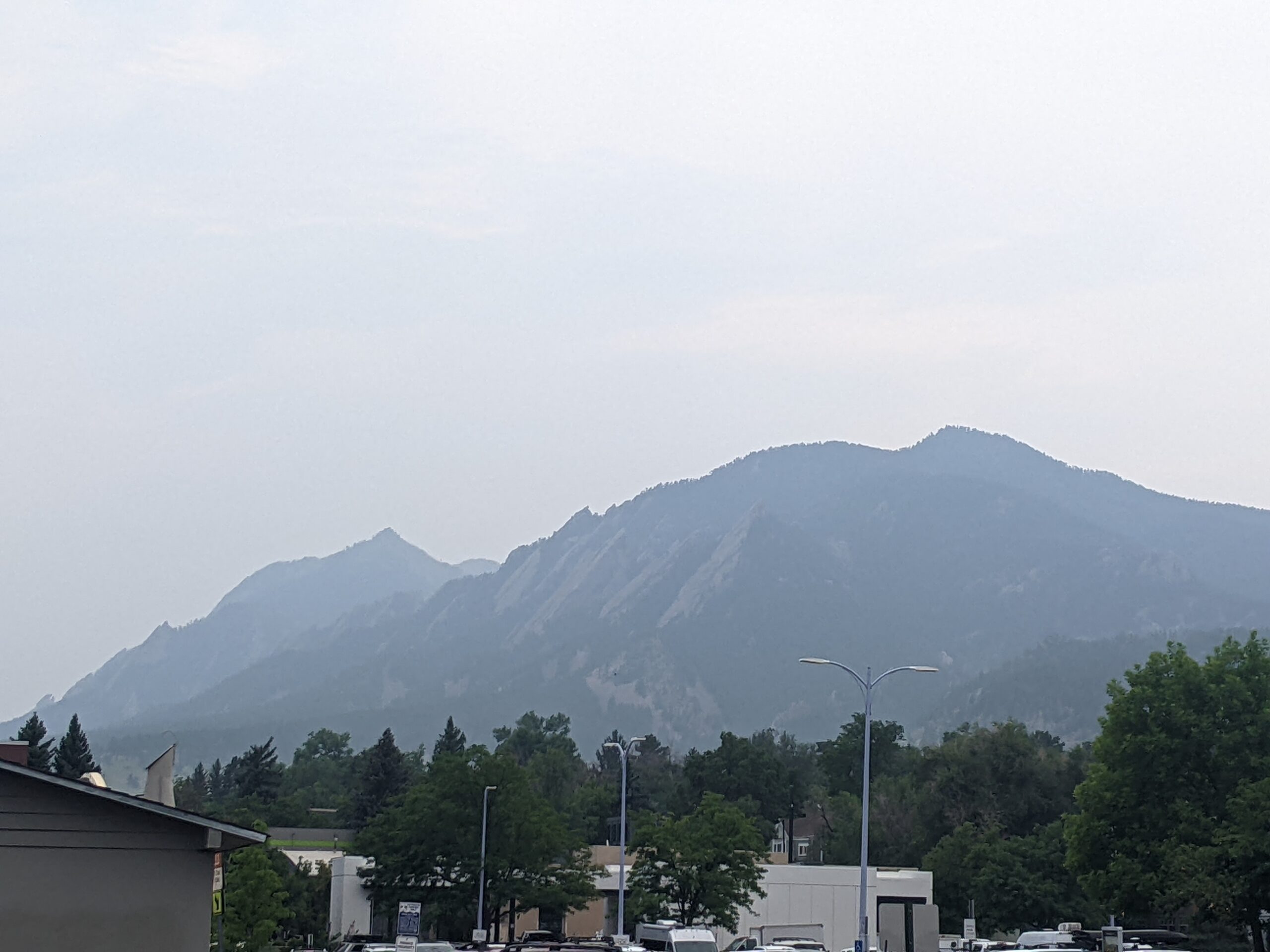
credit: Maeve Conran. The Flatirons in Boulder shrouded in wildfire smoke on Wednesday, July 24, 2024. The Colorado Department of Public Health and Environment issued an air quality alert due to particle pollution and ozone levels.

Wildfire smoke has marred the Front Range in recent weeks, due to Megafires that are likely to become more frequent.  And more smoke is likely.

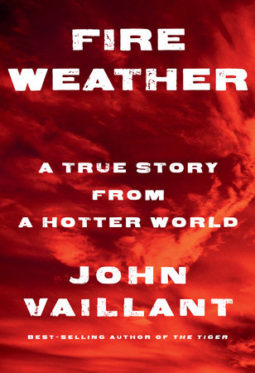
Fire Weather: A True Story from a Hotter World (Starts 00:00) Beth Bennett speaks with author John Vaillant about the Canadian firestorm that forced 100,000 people to run for their lives . . . and why firestorms like this are becoming more common.  (For extended version, go here)

Smokey Skies (Starts 15:00) The Front Range is getting eye-stinging smoke from wildfires over 1,000 miles away . . . last week, from Canada, and this week, likely from California, according to the Colorado Smoke Blog.  University of Utah Atmospheric Scientist Dr. Derek Mallia speaks with Rocky Mountain Community Radio Director, Maeve Conran, about why wildfire smoke travels so far, and how people can protect themselves from its toxic effects.

Host/Producer: Shelley Schlender
Additional Contributions: Beth Bennett and Maeve Conran
Executive Producer: Susan Moran


Play

John Weller – Saving Antarctica

c John Weller Photography

Boulder native and wildlife photographer John Weller talks about his efforts to save The Ross Sea in Antarctica.  The Ross Sea is the world’s largest Marine Protected Area.   Weller’s photobooks and documentary films have been a big part of explaining why this area is special, and why protecting it is a crucial part of restoring health of all world oceans.  This show also includes John Weller on a hike with Boulder Naturalist Steve Jones and the Boulder Audubon Teen Naturalists, and discussion about why recent CU-Bouldeer research about rising carbon dioxide, and how it increases ocean acidity warns of disaster ahead the small shrimp-like krill at the bottom of the food chain, as well as for whales, penguins . . . and people . . . at the food chain’s top.

Host/Producer: Shelley Schlender
Executive Producer: Joel Parker

Play

A New Year and the Same Old Environmental Issues

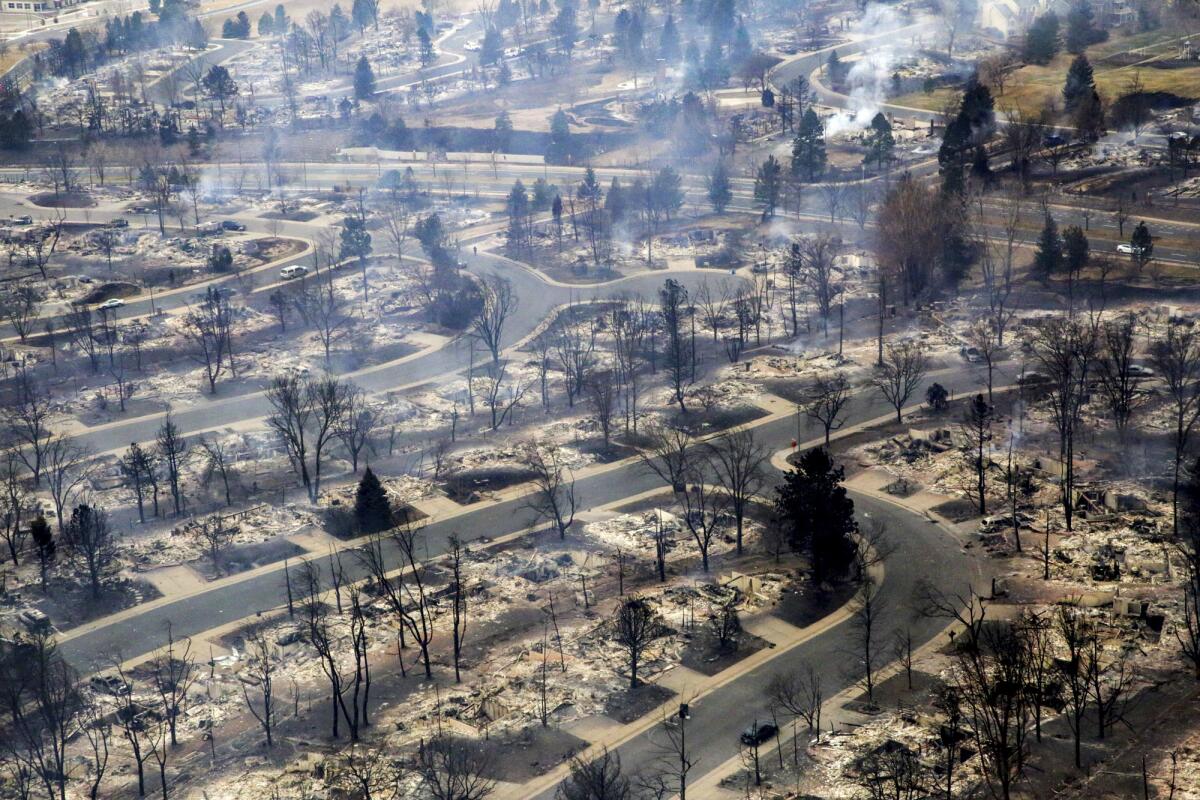
On this week’s show, we focus on the ongoing challenge of climate change. In addition to headlines about this issue, we replay an interview with author John Vaillant, who has written extensively about the natural world over his long career. In his new book, Fire Weather:A True Story from a Hotter World, he explores the phenomena of fire, the wildland urban interface, and climate change in the context of a precedent-shattering combustion in a modern city.This colossal wildfire in Alberta in 2016 almost consumed a city of nearly 100,000. In the process the fire blew up expectations and responses to wild fires. Vaillant gives an in depth exploration of the rapidly changing relationship between fire and humankind along with personal stories of loss and bravery on the front lines of this horrifying event.
Executive Producer: Joel Parker
Show Producer: Beth Bennett
Additional contribution: Susan Moran

Listen to the show:

Play

Western Water

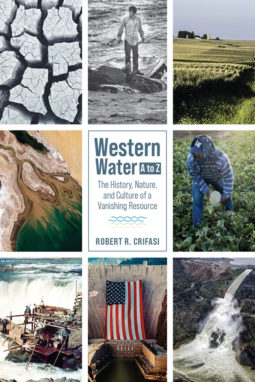
This week on How on Earth, Beth speaks with Robert Crifasi about his new book, Western Water A to Z: The History, Nature, and Culture of a Vanishing Resource. This book is the first ever field guide to Western water. Organized as a collection of terms, the book addresses the most salient water issues and provides helpful background information regarding their origins and implications.

Executive Producer: Beth Bennett
Show Producer: Beth Bennett
Additional Contributions: Shelley Schlender
Engineer: Shannon Young

Listen to the show:

Play

Welcoming Biodiversity Back To Cities

Photo by Benita Lee

In this week’s How on Earth, we focus on how cities can foster biodiversity in an effort to mitigate the effects of climate change.

First, we speak with author and journalist Tony Hiss (4:29), who says that while the Earth is rapidly losing species, we can still do something about it. In his latest book, Rescuing the Planet: Protecting Half the Land to Heal the Earth (Vintage), Hiss recounts the numerous ways in which grassroots movements around the world are creating habitats that are allowing biodiversity to thrive, including in least obvious of places — cities.

Next, we discuss how this is being done in Colorado by the nonprofit organization, Denver Urban Gardens (DUG). Creighton Hofeditz (14:37), the Director of Permaculture and Perennials at DUG, tells us how he turns empty city lots into “food forests” — a type of agroforestry — for residents in the metro area. The creation of these gathering spaces for humans also gives nature a place to thrive.

Hosts: Beth Bennett, Benita Lee
Producers: Benita Lee, Alexis Kenyon
Engineer: Shannon Young
Executive Producer: Beth Bennett

Listen to the show:

Play

Superconductors for Better Energy

Joe Eck “If we could achieve ROOM temperature superconductivity, there would be no cooling required whatsoever.” photo by S Schlender

Room Temperature Superconductors (starts 1:00)  Backyard tinkerer, Joe Eck, maintains a popular website that explains the limitations of “Low Temperature” supeconductors that must be cooled by liquid helium to almost absolute zero.  He describes the benefits that would come from “Room Temperature” superconductors, which he searches for with equipment that includes a table top kiln.  Researchers at Rochester University have claimed success in creating a room temperature superconductor in their high-tech labs.  Many scientists warn their method isn’t practical, IF it works at all.

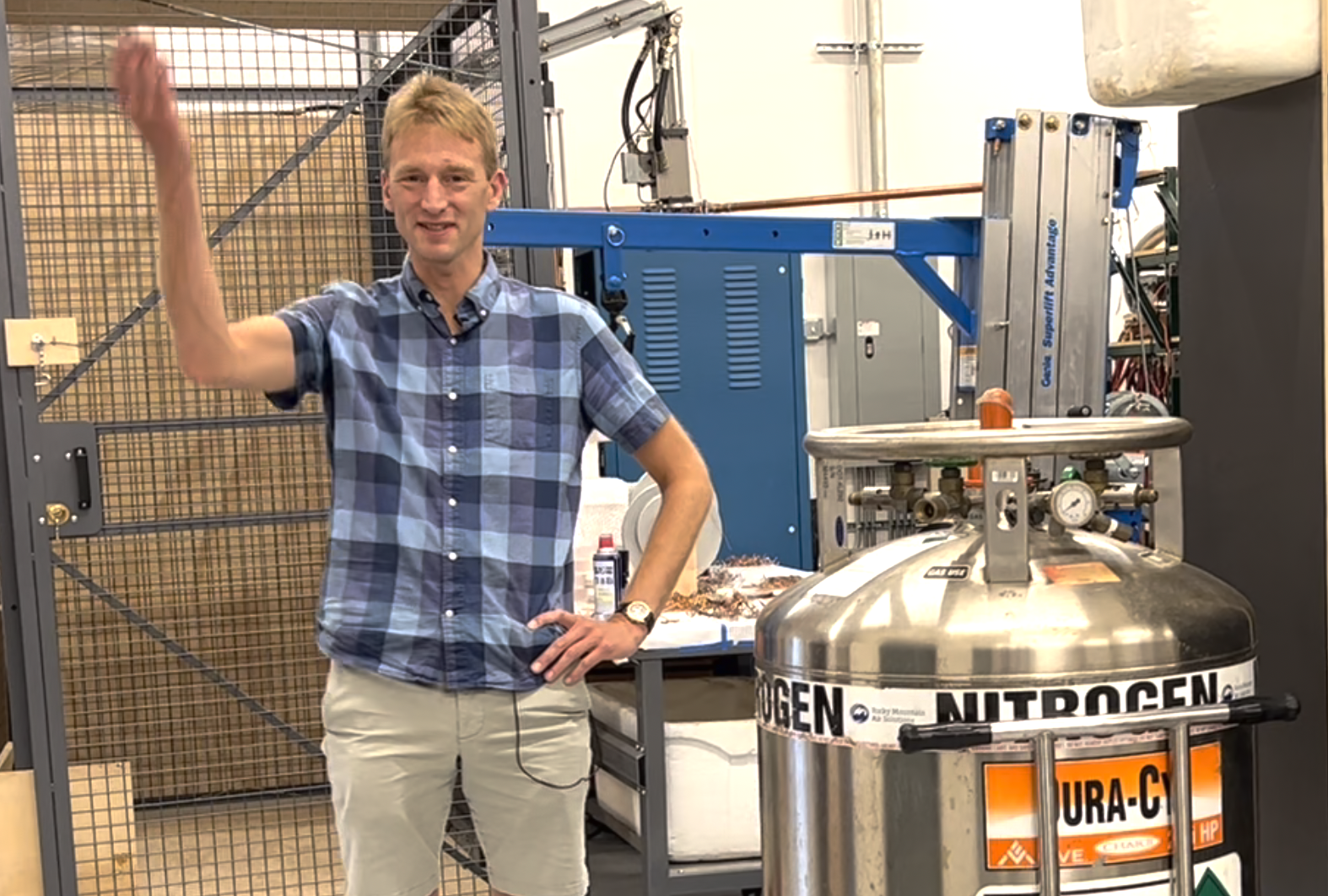
Danko Van der Laan with Liquid Nitrogen Tank photo by S Schlender

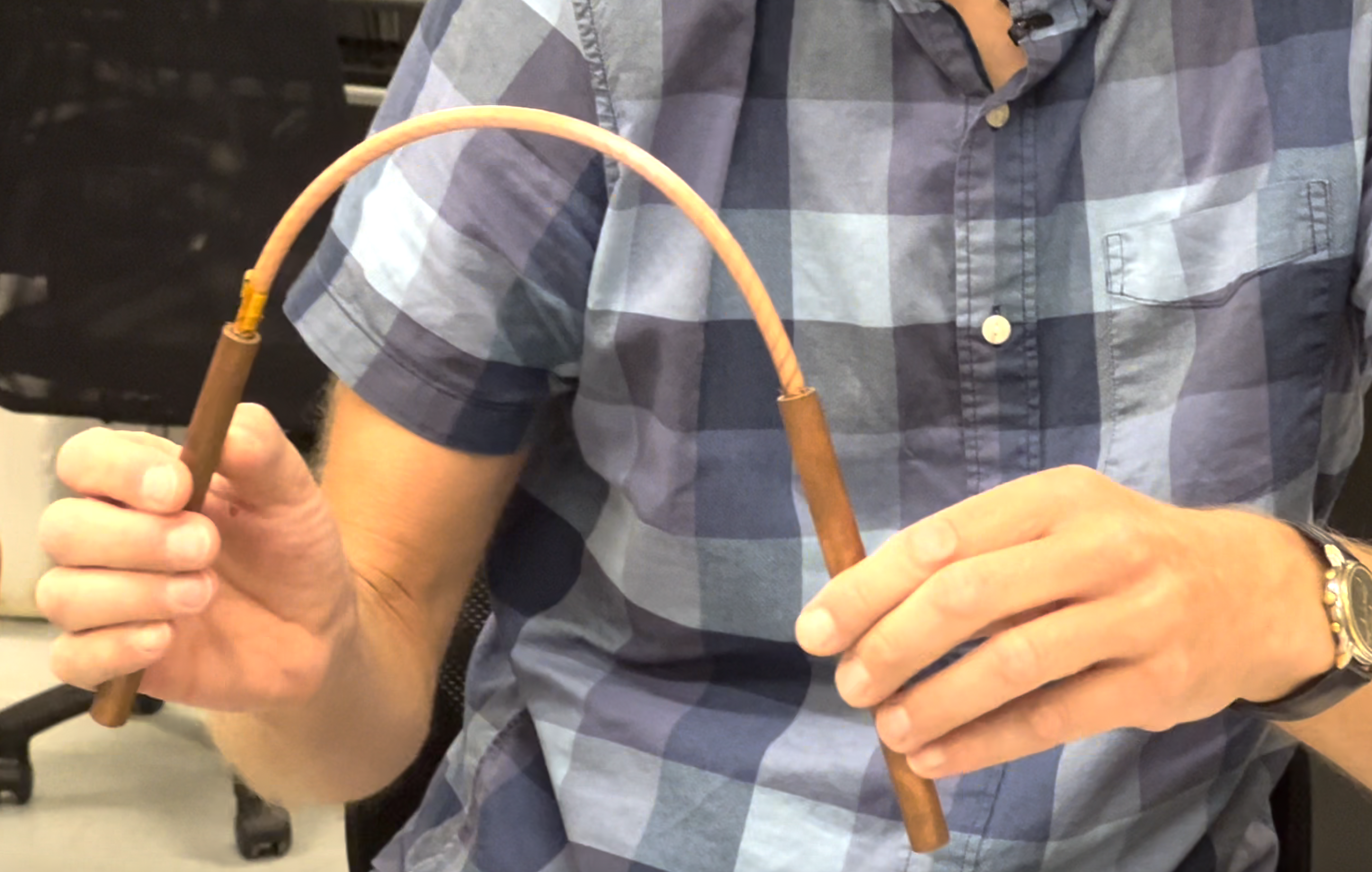
High Temperature” Superconductor Cables (starts 9:35)  Danko Van der Laan, head of Boulder’s Advanced Conductor Technologies, gives a tour of his high-tech lab, where researchers test cables that superconduct when cooled to the “High Temperature” of liquid nitrogen.

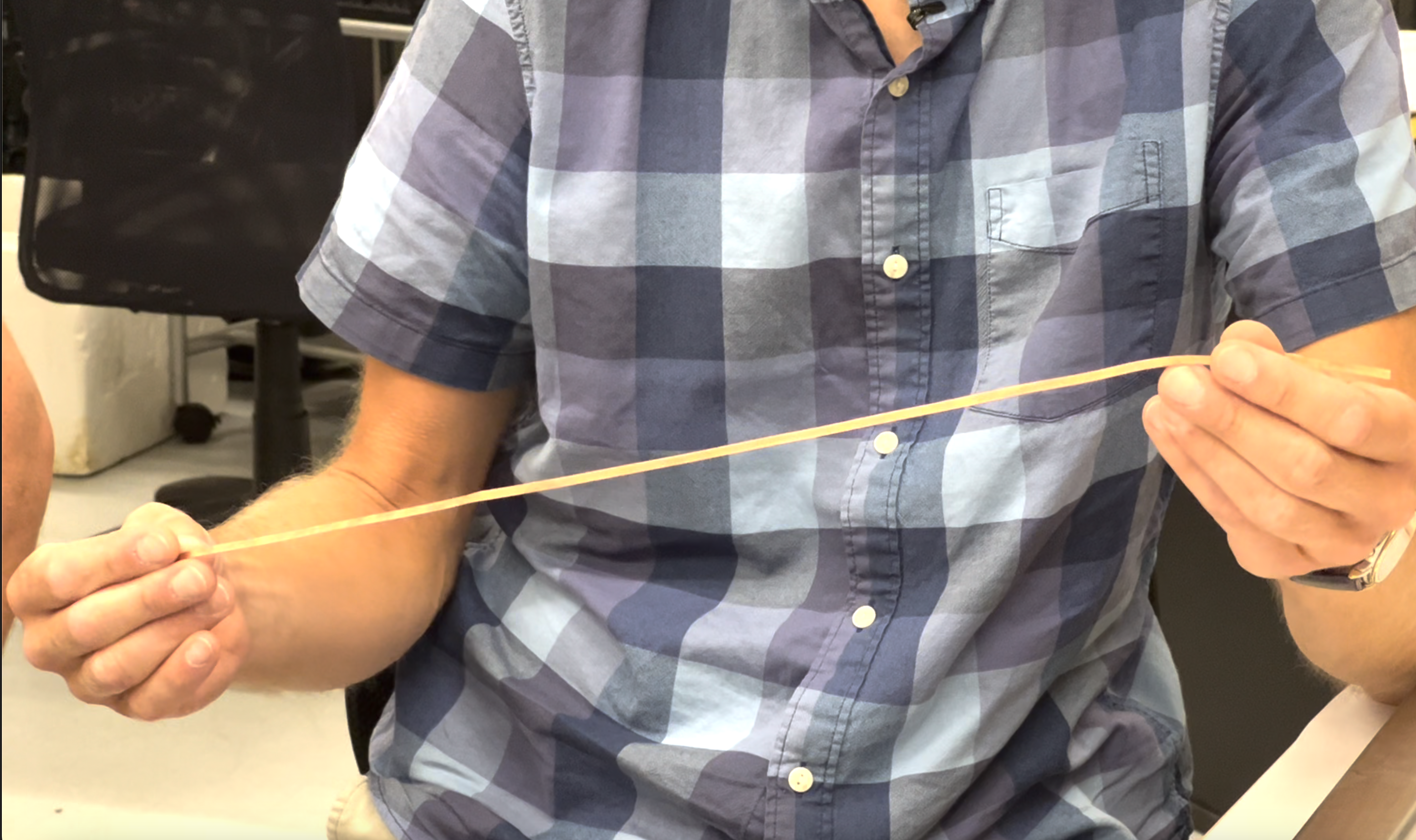
“Hi Temp” Superconductive Tape

Within the decade, this innovation may help lead to electric powered passenger jets and compact fusion reactors that produce much more power than the gigantic fusion reactors being tested today.

“High Temp” Superconductive Cable containing dozens of woven tapes may make it possible for electric passenger jets and compact fusion reactors

Executive Producer: Beth Bennett
Show Producer: Shelley Schlender


Play

Fire in a Hotter World

In this week’s How on Earth, Beth speaks with author John Vaillant about his new book, Fire Weather: A True Story from a Hotter World. He explores the phenomena of fire, the wildland urban interface, and climate change in the context of a precedent-shattering combustion in a modern city.This colossal wildfire in Alberta in 2016 almost consumed a city of nearly 100,000. In the process the fire blew up expectations and responses to wild fires. Vaillant gives an in depth exploration of the rapidly changing relationship between fire and humankind along with personal stories of loss and bravery on the front lines of this horrifying event.
Executive Producer: Beth Bennett
Show Producer: Beth Bennett
Headline: Shelley Schlender
Engineer: Shannon Young

Listen to the Show:

Play

Green Energy & Nuclear Power

Iceland Geothermal – NesjavellirPowerPlant

Energy  Technology that will Power the World (Entire Show)  We look at a climate change discussion from CU-Boulder’s Conference on World Affairs about our Energy Future – where the panelists included ideas about hydrogen, geothermal and nuclear power . . . and we get audience reaction both pro . . and con.

Go here for complete 90-minute video recorded panel discussion

Experts featured include:

Also interviewed in this episode is Rocky Mountain Peace and Justice Center member, Rich Andrews.

Producer/Executive Producer: Shelley Schlender

Music contributions:  Bonobo and Hydrogen Seas.

Play

Mankind Owes Its Success on Earth to Decimated Forests

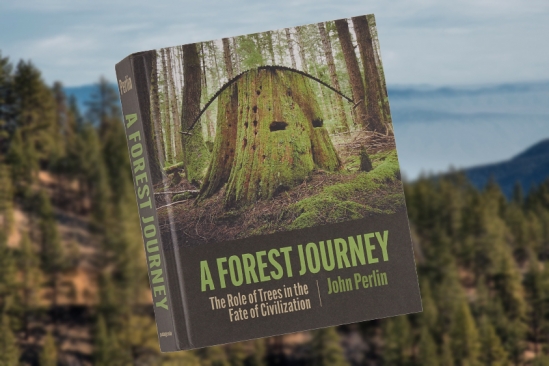
On today’s show, Benita speaks with author John Perlin about his book, A Forest Journey: The Role of Trees in the Fate of Civilization. The book follows the rise and fall of human civilizations as they fuel their success and reap their downfall by using trees as a key resource.

Photo Credit: UC Santa Barbara and Patagonia Media

Published by Patagonia, Perlin revised this third edition of his environmental classic to include new scientific findings that further link the importance of trees in combating climate change and in creating life on Earth as we know it.


Executive Producer: Beth Bennett
Show Producers Benita Lee and Shannon Young
Engineer Shannon Young

Listen to the Show:

Play

Colorado Environmental Film Festival

Stewart Udall and the Politics of Beauty

Colorado Environmental Film Festival is an annual event that takes place in Golden, at the American Mountaineering Center.  This year’s festival starts Thursday Feb 23, 2023 and goes through Sun, Feb 26, 2023.  Today, we talk with festival co-chair Dave Steinke and Environmental Filmmaker John DeGraff.  We feature the films, Stewart Udall and the Politics of Beauty, Reviving Rivers, The Issue with Tissue, and A Good Neighbor.

Host, Producer,Engineer: Shelley Schlender
Executive Producer: Beth Bennett

Play