What’s New in Climate?

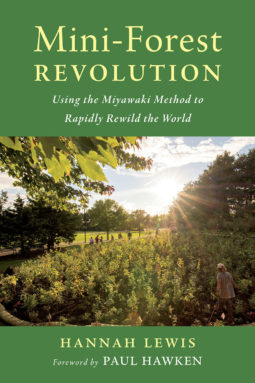
In this week’s How on Earth, we look at 3 aspects of climate change: its role in disease incidence and transmission; some effects of the new climate change legislation; and how ‘micro-forests’ can mitigate temperature and water loss. The latter comes from an interview with author Hannah Lewis and her book Mini-Forest Revolution, in which she describes the Miyawaki Method, a unique approach to reforestation devised by Japanese botanist Akira Miyawaki.
Executive Producer: Beth Bennett
Show Producers: Beth Bennett & Benita Lee
Engineer: Shannon Young
Listen to the Show:

Play

Defy Aging // Green Recycling // Corona (not virus) News

Corona (Not Virus) News (starts 1:00)  Astrophysicist Joel Parker explains the probe that touched the sun’s corona.

Green Recycling from Discarded Electronics (starts 3:59) Benita Lee talks with Penn State Scientist Amir Sheikhi about recycling neodymium.

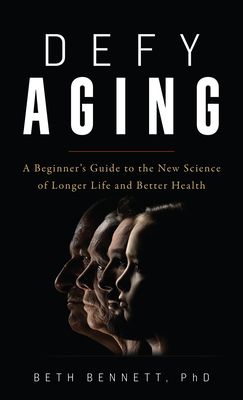
Defy Aging:  A Beginner’s Guide to the New Science of Longer Life and Better Health.  (starts 9:28)  Science Show volunteer, Geneticist and Defy Aging  author Beth Bennett, explains how to promote longevity and  healthspan. 

Host/Contributors: Jill Sjong, Joel Parker, Benita Lee
Executive Producer: Beth Bennett
Show Producer: Shelley Schlender


Play

Can Cattle Reduce Climate Change?

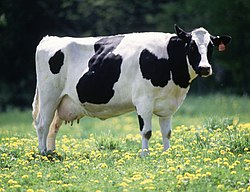
This week on How on Earth, Beth talks with Professor Fred Provenza, author of the book Nourishment: What Animals Can Teach Us about Rediscovering our Nutritional Wisdom. He returns to discuss his current venture into the utility of grazing animals in regenerating soil and reducing our carbon footprint. Yes, cows may actually reduce the rate of climate change.
Executive Producer: Beth Bennett
Producer: Beth Bennett

Listen to the Show:

Play

Emerging World: A Road Map for a Better World

Today on How on Earth, Beth speaks with author Roger Briggs about his new book: Emerging World. Briggs explores the evolution of consciousness and shows that this is behind everything humans have done, are now doing, and are capable of in the future. By bringing together knowledge from paleoanthropology, cultural philosophy, cognitive psychology, and evolutionary theory, he makes the case that humanity is now on the verge of a major transformation, a monumental turning point in our story. Emerging World offers a new understanding of our crisis today and points the way to a bright future for humanity and life on our planet. You’ll also hear about new research into the surprising role that the microbiome plays in aging fruit flies. You can find out more about Roger’s ongoing project at his website.
Executive Producer: Beth Bennett
Show Producer: Beth Bennett
Listen to the Show:

Play

Water in the Arid West

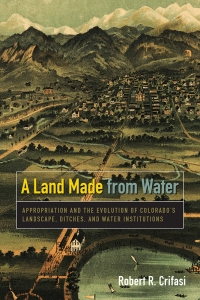
109a7a076e79c89746d7f0e449855d83_SToday on How on Earth, Beth replays a timely interview with Boulder author Bob Crifasi, a long time water resource manager. His book, on the history and consequences of Front Range water use, is especially relevant now during our longterm drought.Bob works in water management and planning and is an environmental scientist with over 25 yr experience. He was the Water Resources Administrator for the city of Boulder’s Open Space and Mountain Parks Dept. He has served on board of directors of 11 ditch companies and as the president of several, supervising all aspects of ditch operation. We talked about his book, A Land Made from Water.

Executive Producer:
Producer: Beth Bennett
Additional Contribution: Shelley Schlender

Listen to the show:

Play

Honeybees: Biology & Conservation

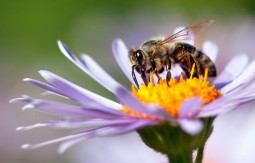
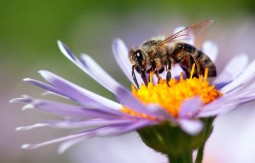
detail of bee or honeybee in Latin Apis Mellifera, european or western honey bee sitting on the violet or blue flower
This week, Beth talks to Prof. Mike Breed, of the University of Colorado, about his longtime research on honeybees. The interview starts at about 6 min. They explore some fascinating aspects of bee biology, and some of the problems facing these amazing creatures, as well as what you can do to attract and support them. Here are some tips from the CSU extension service for providing habitat and food sources.
Host: Beth Bennett
Executive Producer: Beth Bennett
Show Producer: Beth Bennett
Listen to the show:

Play

Scratch & Sniff COVID Test // Ice Age BONE Fire

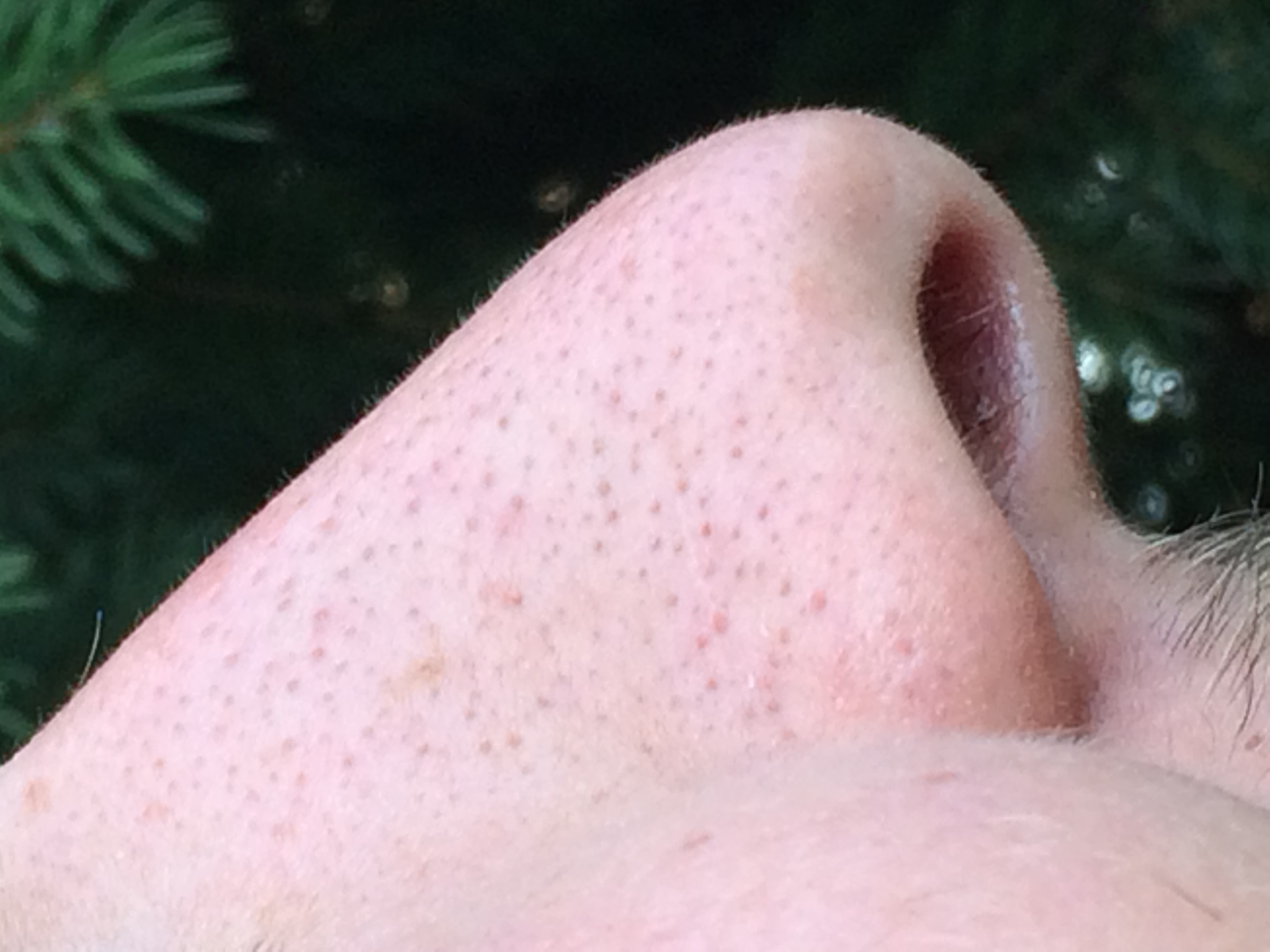
TheNoseKnows2Much, from WikiCommons

Scratch & Sniff COVID Test (starts 1:00) CU Scientist Dan Larremore explains how a smell test app might offer an affordable COVID screening that’s way more accurate than a temperature check.


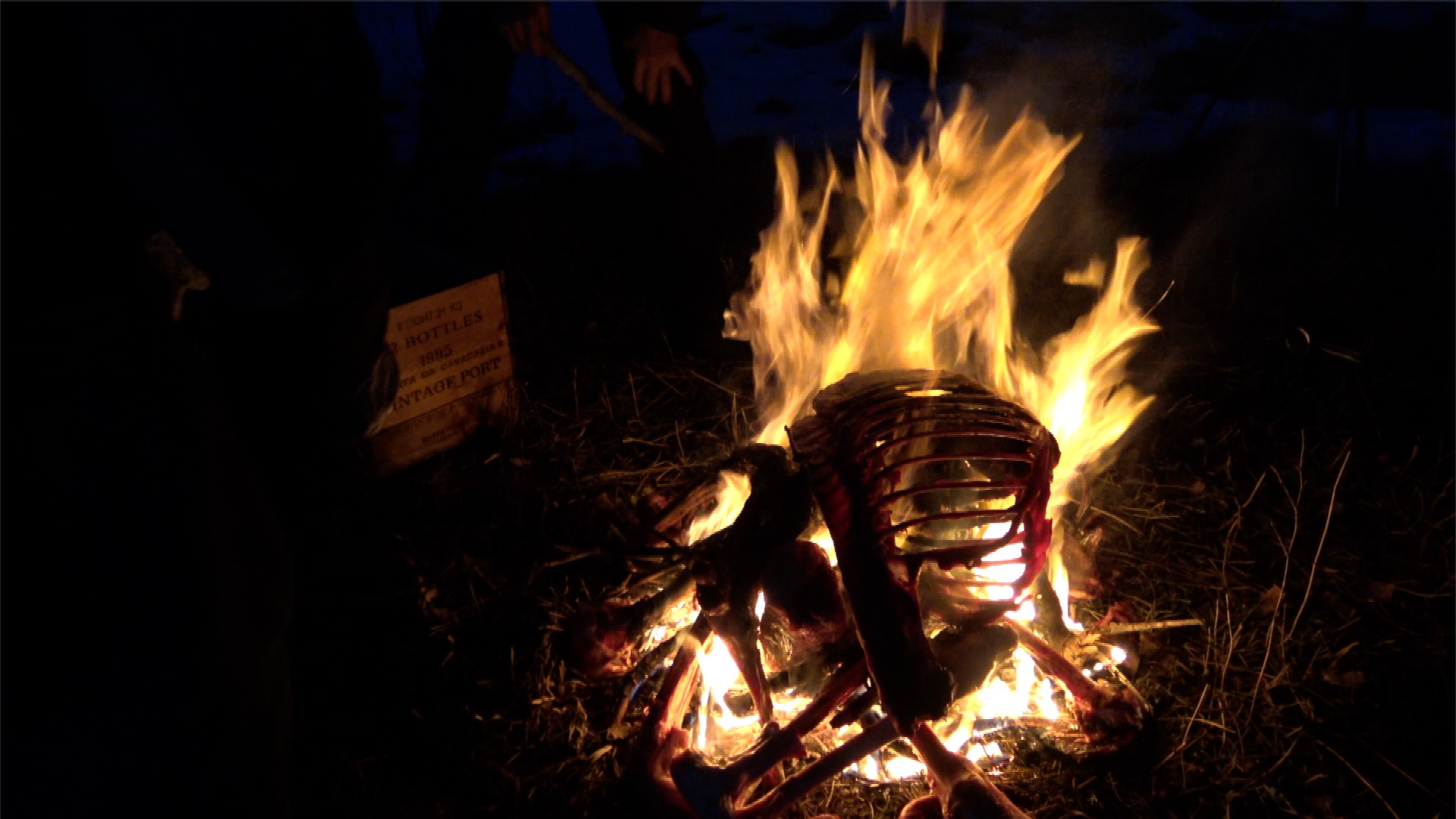
HOE Ice Age Bone FireIce Age BONE Fire  (starts 6:00)  Archeologist John Hoffecker and local volunteers recreate a Paleolithic “campfire” that used bones as the primary fuel. Volunteers who helped with this project — Josh Steinsiek, Dustin Goodew of Arapahoe Meat Company, Outdoorspeople Lin and Henry Ballard, Amber O’Hearn and Siobhan Huggins.

Engineer Sam Fuqua
Host/Producer: Shelley Schlender
Additional Contributions:  Edie Hill, Composer
Executive Producer: Beth Bennett

Listen to the show:

Play

CU COVID Testing Update // Rocky Mountain Spotted Fever & Climate Change

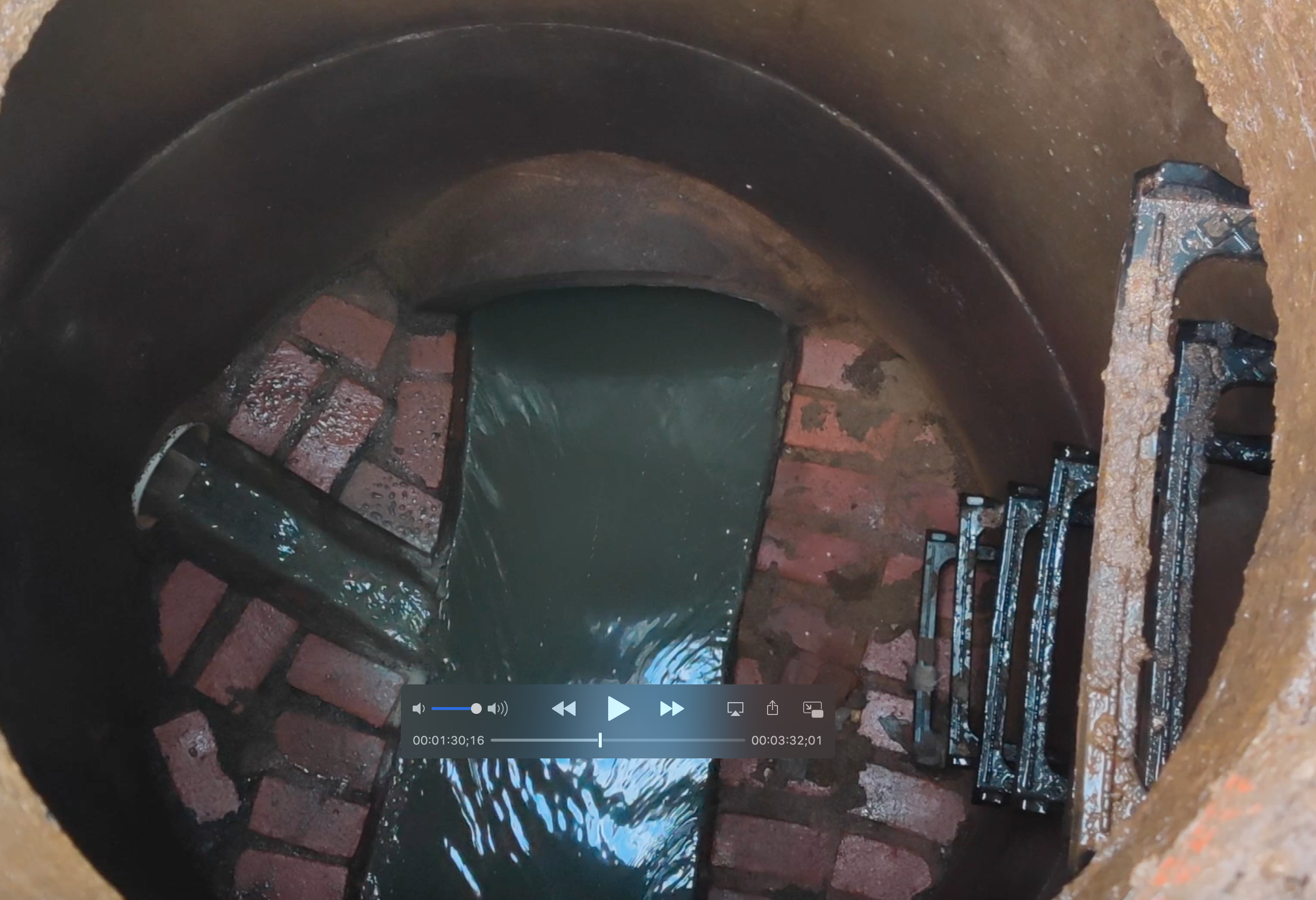
Inside a Manhole - photo credit BIOBOT
Inside a Manhole – photo credit BIOBOT

CU COVID TESTING UPDATE  (starts 1:00) We join CU Engineering Professor Cresten Mansfeldt as he and his students open a sewer manhole and do maintenance on their wastewater COVID early warning system.  We also get an update on COVID status at CU Boulder.


Brown Dog Ticks
Brown Dog Ticks

ROCKY MOUNTAIN SPOTTED FEVER & CLIMATE CHANGE (starts 11:15) Brown dog ticks that carry Rocky Mountain Spotted fever usually bite dogs.  But they prefer to bite people over dogs when temperature rise to 100 degrees.  UC-Davis scientist Laura Backus explains her new study and its implications in a time of climate change.


Host: Shelley Schlender
Producer:Shelley Schlender
Engineer:Sam Fuqua
Additional contribution: Music from Lynn Patrick
Executive Producer:Beth Bennett

Listen to the show:

Play

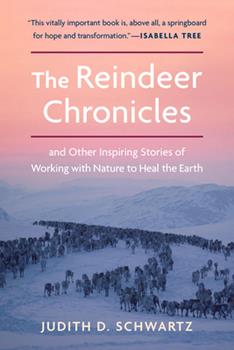
The Reindeer Chronicles: Stories of Environmental Regeneration

Reindeer Chronicles
Reindeer Chronicles

This week on How on Earth, Beth interviews author Judith Schwartz. In her new book, the Reindeer Chronicles, she takes the reader on a tour of some of the most wounded places on earth, and stories of how a passionate group of eco-restorers is leading the way to their revitalization. This optimistic book describes solutions to seemingly intractable problems that can restore local water, carbon, nutrient, and energy cycles.

Host: Beth Bennett
Producer: Beth Bennett
Engineer: Sam Fuqua
Additional contribution: Joel Parker
Executive Producer: Beth Bennett

Listen to the show:

Play

The Shale Revolution: Weld County’s Golden Goose- Part Two

Left:   Image courtesy of EcoNation, NZ.    Right:   Map of active oil and natural gas wells in Colorado.
Left: Image courtesy of EcoNation, NZ. Right: Map of active oil and natural gas wells in Colorado.

In Part Two of the Shale Revolution, we look at the environmental concerns associated with hydraulic fracturing, particularly the air quality along the Front Range.    We interview Detlev Helmig, an atmospheric scientist, who monitors the air quality along the front range.    We also discuss why well setbacks are such a contentious issue in Colorado.

Producer and Host:   Jill Sjong
Engineer:   Maeve Conran
Executive Producer:   Jill Sjong

Listen to the show:

Play