

Microplastics: Health Concerns, Solutions (start time: 6:02) The Environmental Protection Agency recently issued a new rule related to monitoring 30 unregulated chemicals in drinking water that could pose human health risks. While the list includes pesticides and so-called “forever” substances, it omits microplastics, as well as pharmaceuticals. That’s despite pressure from Democratic politicians, as well as advocacy groups over the last two years urging the EPA to include microplastics in the new rule due to human health concerns. This apparent about-face by the EPA, as well as the fact that this week is Plastics Pollution Awareness Week in Colorado, prompted us at How On Earth to summon experts to shed some light on what is known about the human health risks of exposure to microplastics, as well as what’s being done here in Colorado and nationwide to reduce plastic production and waste. Host Susan Moran interviews Dr. Trisha Vaidyanathan, science director at Beyond Plastics; Ryan Call, policy analyst at EcoCycle; and Emily Freeman, circular economy policy advisor at the City of Boulder. For info about how to join the Boulder Plastic Count (July 20-26), click here.
Hosts: Susan Moran, Joel Parker
Show Producer: Susan Moran
Engineer: Joel Parker
Executive Producer & Headline Contributor: Beth Bennett
Listen to the show here:

Podcast: Play in new window | Download (Duration: 27:00 — 37.1MB)
Subscribe: RSS



 New Rules of Women’s Health (start time: 6:26) If you’re female, you may have come of age reading the landmark feminist health book Our Bodies, Ourselves. Originally published in the 1970s, it yielded several revised editions up to 2011. Well, get ready for an even more comprehensive tome. It’s called



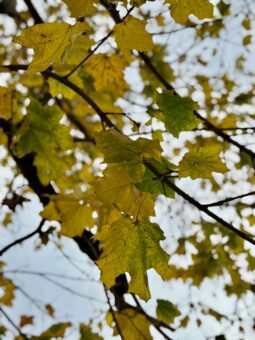 The physiology of deciduous trees (start time: 11:09) For many people living in places with four distinct seasons, such as here in Colorado, a favorite pastime at this midpoint in autumn is watching the faded leaves fall from their branches, and listening to the crackling sound while raking up the dried leaves. In this week’s How On Earth show, we explore questions like, Why do the leaves of aspen, ash and other deciduous trees “change” color in the fall? (Spoiler alert: They actually reveal their true colors.) Why do they shed their leaves every fall? And what happens to the naked trees in the winter? Host Susan Moran interviews Dr.



 Menopause & HT (start time: 0:58) It happens to every woman with a uterus who reaches midlife. Menopause is a major hormonal transition that, although very challenging for some women, is natural, and (get this!) even advantageous to civilization. Think grandmothers! Yet menopause has been largely dismissed by the medical community. As a result, too many women suffer through menopause in pain, shame, and loneliness. In this week’s show, host Susan Moran interviews