
In the first feature (start time 1:00) KGNU’s Maeve Conran speaks with Antonia Malchik, author of A Walking Life. This book explores the relationship between walking and our humanity, how we have lost it through a century of car-centric design, how we can regain it and more. This part of the interview, produced especially for How On Earth, focuses on the science behind what makes us able to walk. For a pedestrian, walking is a simple as putting one foot in front of another, right? Well from a scientific perspective, there’s quite a bit to it.
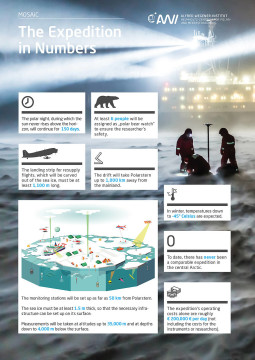
In the second feature (start time 13:10), Chip Grandits speaks with Dr. Detlev Helmig, Associate Research Professor at the Institute for Arctic and Alpine Research. He is one of several Boulder area climate scientists preparing for The MOSAIC expedition, the largest ever Central Arctic research expedition. In September 2019 A German research icebreaker the Polarstern will head northeast from Tromsø, Norway where it will spend an entire year caught up in the shifting Arctic ice. Dr. Helmig talks about the need to improve climate models of the poles, what motivates a such complex, expensive and dangerous expedition and what motivates scientists to take a 2 month stint on board the Polarstern trapped in the Arctic ice.
Host: Chip Grandits
Producer: Chip Grandits
Engineer: Chip Grandits
Additional Contributions: Maeve Conran
Executive Producer: Joel Parker
Listen to the show:

Podcast: Play in new window | Download (Duration: 25:27 — 23.3MB)
Subscribe: RSS


 With graduation season is upon us, today’s edition of How on Earth is our annual “Graduation Special”. Our guests in the studio today are scientists who have or will soon receive their Ph.D. in a STEM-related field. They talk about their thesis research, their grad school experiences, and what they have planned next.
 Marcus Piquette – CU Boulder,
 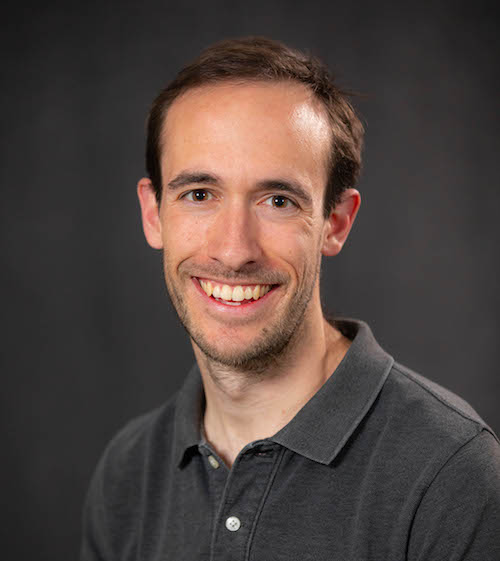 David Reens – CU Boulder,
  Abigail Reens– CU Boulder,
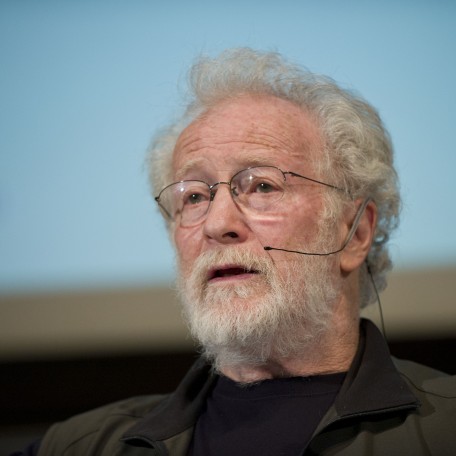



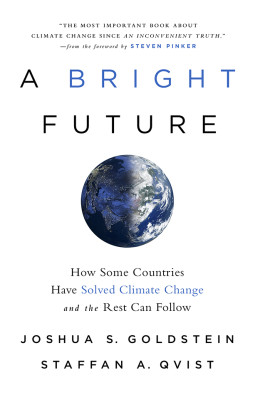
 In this week’s show, Beth interviews Joshua Goldstein. He and co-author Steffan Qvist wrote eloquently about how nuclear energy can replace fossil fuels – a vital necessity in a rapidly warming world. A new generation of nuclear plants reduces waste and completely eliminates CO2. In Sweden, France and Ontario, these plants have allowed these countries to eliminate their reliance on fossil fuels and significantly reduce their carbon footprints.





 This special edition of How on Earth is produced in conjunction with the

 A Consumer’s Guide to Pesticides in Produce (starts 7:55) You may be wondering if you washed the strawberries, blueberries or kale that you had for breakfast this morning enough to rid them of residue of potentially harmful pesticides. That is, if they were conventionally, not organically, grown. According to the U.S. Department of Agriculture, more than 200 different pesticides remain in some form on popular fruits and vegetables that Americans eat every day. And before testing all the produce, the USDA thoroughly washes and peels them. Such tests show that simply washing produce does not remove all pesticides. In a recently released report, as part of its