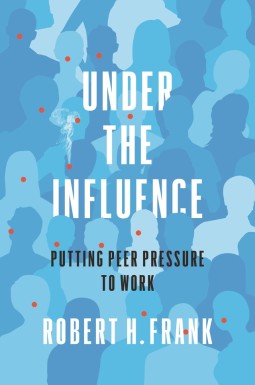
This week on How on Earth we start with an update on the corona virus, focusing on treatments and vaccines. At 12 minutes, we begin our interview with Bob Frank, author of Under the Influence, Putting Peer Pressure to Work. This book explains how we could redirect trillions of dollars annually in support of carbon-free energy sources, all without requiring painful sacrifices from anyone. Dr Frank has developed some novel strategies relying on peer pressure to get people to change their actions so as to reduce carbon emissions and climate change. He also details many prior and successful examples of this type of peer pressure. You can see more at the publisher’s website.
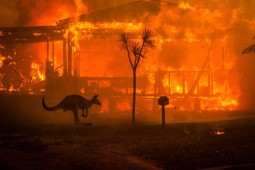
This week, Beth and Angele speak with with Brenda Ekwurzel in the studio. Brenda is the director of climate science for the Union of Concerned Scientists. She was in Boulder for a panel on Air Quality and Climate Change. She spoke about some Colorado issues e.g. wildfire and drought, and assigning responsibility for specific events to fossil fuel producers. She is a widely quoted expert on climate change, and co-authored the UCS guide Cooler Smarter: Practical Steps for Low-Carbon Living. For more information you can visit her website.
Hosts: Angele Sjong and Beth Bennett Producers: Angele Sjong and Beth Bennett Engineer: Beth Bennett Executive Producer: Beth Bennett
Today’s show features the following interviews, by How On Earth’s Susan Moran and guest host Ted Wood.
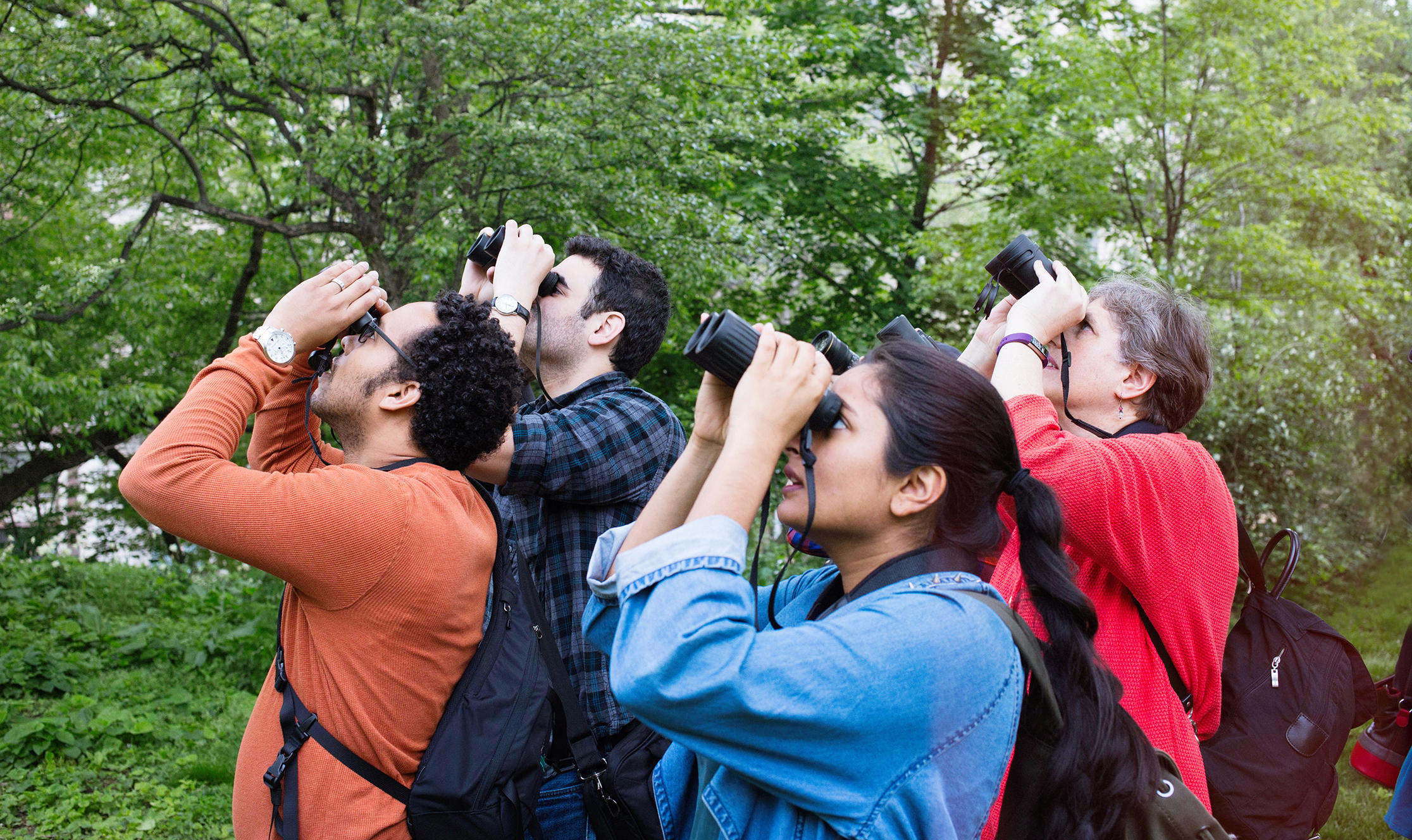
Photo credit: Mike Fernandez/Audubon
Audubon’s Climate Watch (start time: 4:03) Starting on Jan. 14, the Audubon Society will launch a month-long citizen science program to better understand how birds are responding to climate change. This comes at a time when, according to a 2019 Audubon report, up to two-thirds of North American birds are vulnerable to extinction due to climate change. But the Climate Watch program is one of many opportunities to protect birds. Alison Holloran, executive director of Audubon Rockies, discusses the program and how you can get involved.
Conservation on the Edges (start time: 13:26) Charismatic predators like polar bears, grizzlies, and tigers, get lots of attention, and for good reason. But many lesser known species, particularly those living in extreme environments–including muskoxen, wild yaks, takins and saigas–are also important species. They have been the research focus of Joel Berger, a professor of wildlife conservation at Colorado State University. He’s also senior scientist at Wildlife Conservation Society. Berger’s latest book is Extreme Conservation: Life at the Edges of the World.
Hosts: Susan Moran, Ted Wood Producer: Susan Moran Engineer: Maeve Conran Executive Producer: Beth Bennett Additional Contributor: Beth Bennett
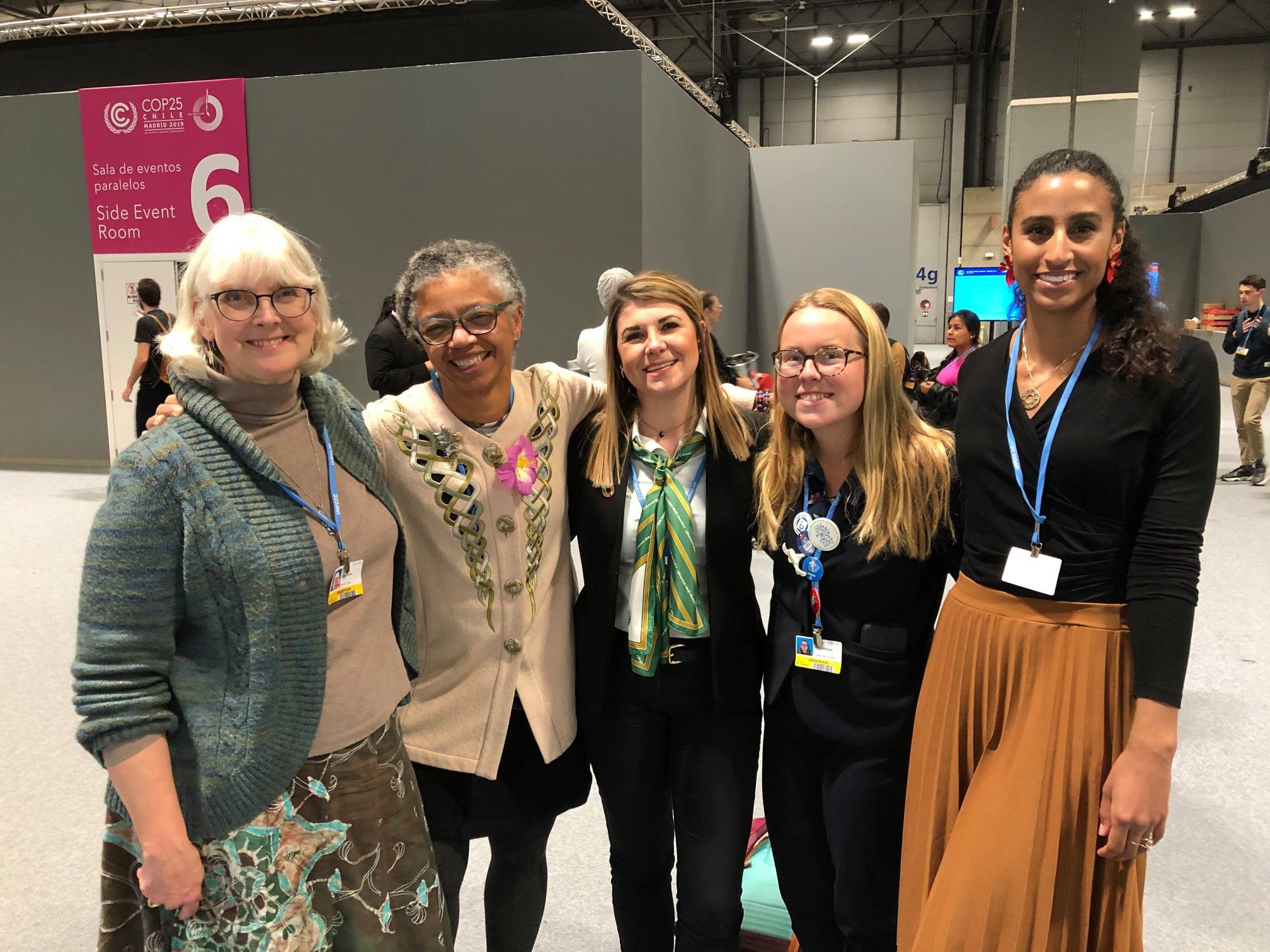
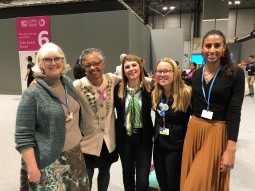
At COP25, Tashiana Osborne (far right), Sarah Whipple (2nd from right), CSU Prof. Gillian Bowser (2nd from left) and colleagues. Photo credit: Adewale Adesanya
COP25 Postmortem (start time: 3:35) Earlier this month many nation’s leaders, as well as scientists, environmental activists, companies and others gathered in Madrid for a two-week United Nations climate summit. The conference, called COP25, is rooted in the 2015 Paris Agreement, which is a blend of pledges from about 200 nations to dramatically slash their planet-warming emissions. Next year’s meeting is when signatory nations will update their actual commitments. So, what happened at the recent climate summit, and what’s next? How On Earth host Susan Moran today interviews two scientists who attended COP25. Tashiana Osborne is a PhD candidate in atmospheric and oceanic science at the Scripps Institution of Oceanography, at UC San Diego. And Sarah Whipple is a PhD candidate in ecology at Colorado State University.
Hosts: Susan Moran, Joel Parker Producer: Susan Moran Engineer: Joel Parker Executive Producer: Joel Parker
COP25 & Climate Change (start time: 1:07): Next month (Dec. 2-13), the United Nations global climate change summit, known as COP25, will take place in Madrid. Many scientists, environmental nonprofits, students, activists will also attend side events related to the UN sustainable development goals (SDG). The goal of COP over the years has been to reduce emissions of planet-warming gases. The talks stem from the landmark 2015 Paris Agreement, which essentially is a mix of pledges from about 200 nations to dramatically cut their greenhouse emissions. The countries are not legally bound to meet their targets, but they are supposed to report their progress to the UN. Under the Obama administration, the U.S. vowed to reduce emissions about 28 percent below 2005 levels, by 2025. But earlier this month, the Trump administration announced that it will begin a year-long process to withdraw the U.S. from the international accord. The stakes are extremely high.
How On Earth’s Susan Moran and guest-host Tom Yulsman discuss COP25 and what’s at stake with Gillian Bowser, an ecologist and research scientist at Colorado State University who has studied international climate and biodiversity conventions and has attended several COP summits; and Tashiana Osborne, a PhD candidate at the Scripps Institution of Oceanography at the University of California, San Diego, who is studying the effects of atmospheric rivers, and who will attend COP25. Tom Yulsman, a CU Boulder journalism professor and blogger, offers his expertise as a climate-focused science journalist.
Hosts: Susan Moran, Tom Yulsman Producer: Susan Moran Engineer: Joel Parker Executive Producer: Joel Parker
In the first feature (start time 1:00) KGNU’s Maeve Conran speaks with Antonia Malchik, author of A Walking Life. This book explores the relationship between walking and our humanity, how we have lost it through a century of car-centric design, how we can regain it and more. This part of the interview, produced especially for How On Earth, focuses on the science behind what makes us able to walk. For a pedestrian, walking is a simple as putting one foot in front of another, right? Well from a scientific perspective, there’s quite a bit to it.
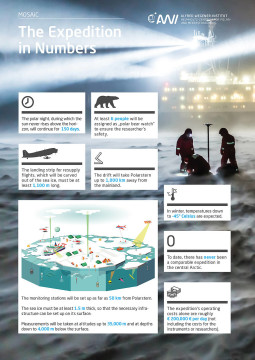
In the second feature (start time 13:10), Chip Grandits speaks with Dr. Detlev Helmig, Associate Research Professor at the Institute for Arctic and Alpine Research. He is one of several Boulder area climate scientists preparing for The MOSAIC expedition, the largest ever Central Arctic research expedition. In September 2019 A German research icebreaker the Polarstern will head northeast from Tromsø, Norway where it will spend an entire year caught up in the shifting Arctic ice. Dr. Helmig talks about the need to improve climate models of the poles, what motivates a such complex, expensive and dangerous expedition and what motivates scientists to take a 2 month stint on board the Polarstern trapped in the Arctic ice.
In this week’s show, Beth interviews Joshua Goldstein. He and co-author Steffan Qvist wrote eloquently about how nuclear energy can replace fossil fuels – a vital necessity in a rapidly warming world. A new generation of nuclear plants reduces waste and completely eliminates CO2. In Sweden, France and Ontario, these plants have allowed these countries to eliminate their reliance on fossil fuels and significantly reduce their carbon footprints. Host: Beth Bennett Producer: Beth Bennett Engineer:Maeve Conran Additional Contributions: Joel Parker Executive Producer: Joel Parker
Listen to the show;
HOLSCENE Still. Photo courtesy of Early Morning Opera and NightLight Labs
Spend some time at the intersection of art, engineering and science; we’ll hear about the world premier of HOLOSCENES / Little Boxes February 20, 7:00 PM at Fiske Planetarium in Boulder. Get a glimpse of how cutting edge visual artists team up with world class scientists using the latest technology to complement a rational understanding of climate change with visceral images to inspire empathy with the hope to engender action and change. In this episode hear Chip Grandits speak with Marda Kirn, director of EcoArts Connections, Shilpi Gupta software engineer at CIRESfor NOAA Science On a Sphere and Dr. Elizabeth Wetherhead a climate scientist and expert in climate forecasting and modeling, recently retired from CU Boulder and CIRES and now working at climate forecasting for Jupiter Intelligence.
Eco-Cycle truck dumping organic waste at a compost facility. Photo credit: Dan Matsch
Why Compost? (start time: 7:01) Many of us may feel a little less guilty letting fruits and vegetables go bad, because we figure that this waste, thanks to curbside compost pickup, will be turned into nutritious food for crops, lawns or grasslands down the road. And landfills will spew less methane, a greenhouse gas far more potent than carbon dioxide. The story of food waste and reuse is a complicated one. Our two guests are working on getting composting right — and ultimately on how to make our food-production and consumption systems more sustainable, starting here on the Front Range. Dan Matsch directs the compost department for Eco-Cycle, the nonprofit recycler that works with cities along the Front Range. He also directs Eco-Cycle’s Center for Hard-to-Recycle Materials (CHaRM). Mark Easter is an ecologist at Colorado State University’s Natural Resource Ecology Laboratory. Matsch and Easter discuss with host Susan Moran the journey of a rotten zucchini, how composting is tied to the emerging practice of carbon farming, and how we all do our part.
Calendar advisory: Join KGNU and Eco-Cycle on Thursday, January 31, at the Longmont Museum (6:30 to 8:00 P.M) for a special community conversation on plastic waste–challenges and solutions. The event will include representatives from Eco-Cycle, the Inland Ocean Coalition, and local business and sustainability leaders. For more info, go to this website.
Hosts: Susan Moran, Chip Grandits Producer: Susan Moran Engineer: Chip Grandits Executive Producer: Beth Bennett Additional contributions: Beth Bennett
Climate Change (starts at 6:30) Volume II of the fourth National Assessment on Climate Change was released on the day after Thanksgiving. The findings are stark. It is already too late to prevent major long term effects of climate change. The scientific community has now turned to predicting and quantifying those effects and how human civilization can respond to mitigate what might be catastrophic results. Today we talk with one of the co-authors of the chapter on Transportation, Professor Paul Chinowksy, of the CU Department of Civil, Environmental and Architectural Engineering. He elaborates on the findings of the report and his frustration at the lack of a serious response by the federal government.
Host, Producer, Engineer: Chip Grandits Executive Producer: Susan Moran

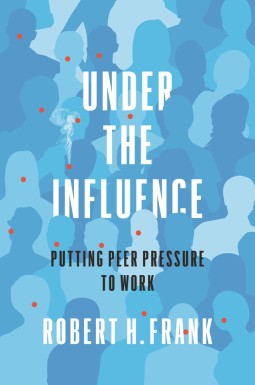
 This week on How on Earth we start with an update on the corona virus, focusing on treatments and vaccines. At 12 minutes, we begin our interview with Bob Frank, author of Under the Influence, Putting Peer Pressure to Work. This book explains how we could redirect trillions of dollars annually in support of carbon-free energy sources, all without requiring painful sacrifices from anyone. Dr Frank has developed some novel strategies relying on peer pressure to get people to change their actions so as to reduce carbon emissions and climate change. He also details many prior and successful examples of this type of peer pressure. You can see more at the publisher’s website.

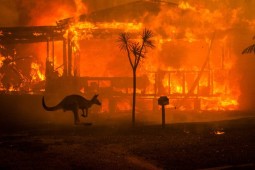
 This week, Beth and Angele speak with with Brenda Ekwurzel in the studio. Brenda is the director of climate science for the Union of Concerned Scientists. She was in Boulder for a panel on Air Quality and Climate Change. She spoke about some Colorado issues e.g. wildfire and drought, and assigning responsibility for specific events to fossil fuel producers. She is a widely quoted expert on climate change, and co-authored the UCS guide Cooler Smarter: Practical Steps for Low-Carbon Living. For more information you can visit her
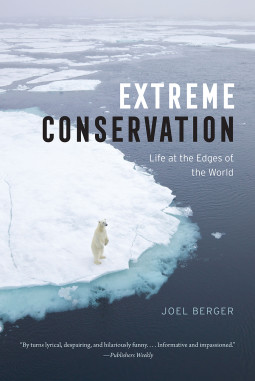 Conservation on the Edges (start time: 13:26) Charismatic predators like polar bears, grizzlies, and tigers, get lots of attention, and for good reason. But many lesser known species, particularly those living in extreme environments–including muskoxen, wild yaks, takins and saigas–are also important species. They have been the research focus of





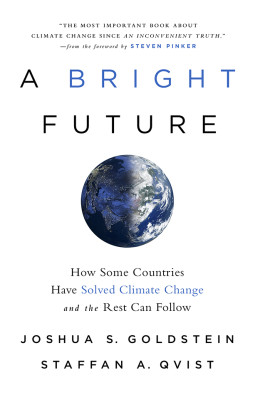
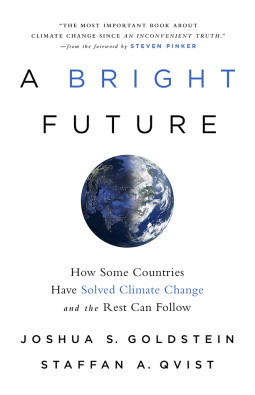 In this week’s show, Beth interviews Joshua Goldstein. He and co-author Steffan Qvist wrote eloquently about how nuclear energy can replace fossil fuels – a vital necessity in a rapidly warming world. A new generation of nuclear plants reduces waste and completely eliminates CO2. In Sweden, France and Ontario, these plants have allowed these countries to eliminate their reliance on fossil fuels and significantly reduce their carbon footprints.




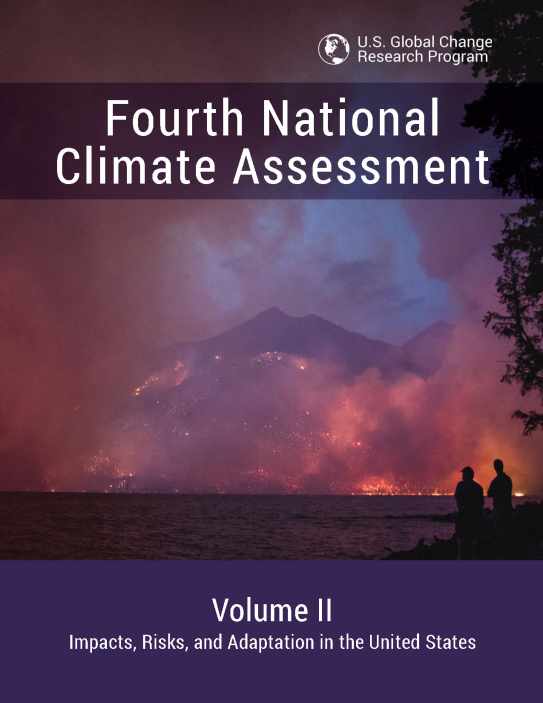
 Climate Change (starts at 6:30)