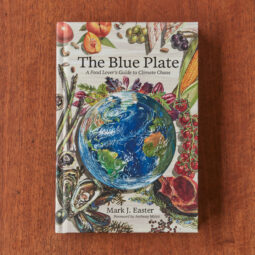
 The Blue Plate in a Red-hot World (start time: 7:46) While adding cream to your morning cup of coffee, or digesting the hamburger that you grilled last night, you might not have been asking yourself, What’s the carbon footprint of these ingredients and meals? Understandable. Our guest today, ecologist Mark Easter, however, has pondered this question intensely for many years, when he grocery shops, plans his next meal, and researches. Easter is a so-called greenhouse gas accountant, one who measures the sources and sinks of GHG emissions from agricultural practices.
It’s a vexing and critical calculus. After all, agriculture generates more than 10 percent of U.S. greenhouse gas emissions. Easter’s debut book, The Blue Plate: A Food Lover’s Guide to Climate Chaos (Patagonia), has just been published. It highlights not just the causes of our climate crisis, but also a growing number of farmers, ranchers and orchardists who are practicing low-carbon, soil-enhancing methods on their land, and as a result boosting their crop yields and revenues.
Hosts: Susan Moran, Joel Parker
Show Producer/Executive Producer: Susan Moran
Engineer: Joel Parker
Headline contributors: Beth Bennett, Joel Parker, Shelley Schlender
Listen to the show here:

Podcast: Play in new window | Download (Duration: 27:46 — 25.4MB)
Subscribe: RSS

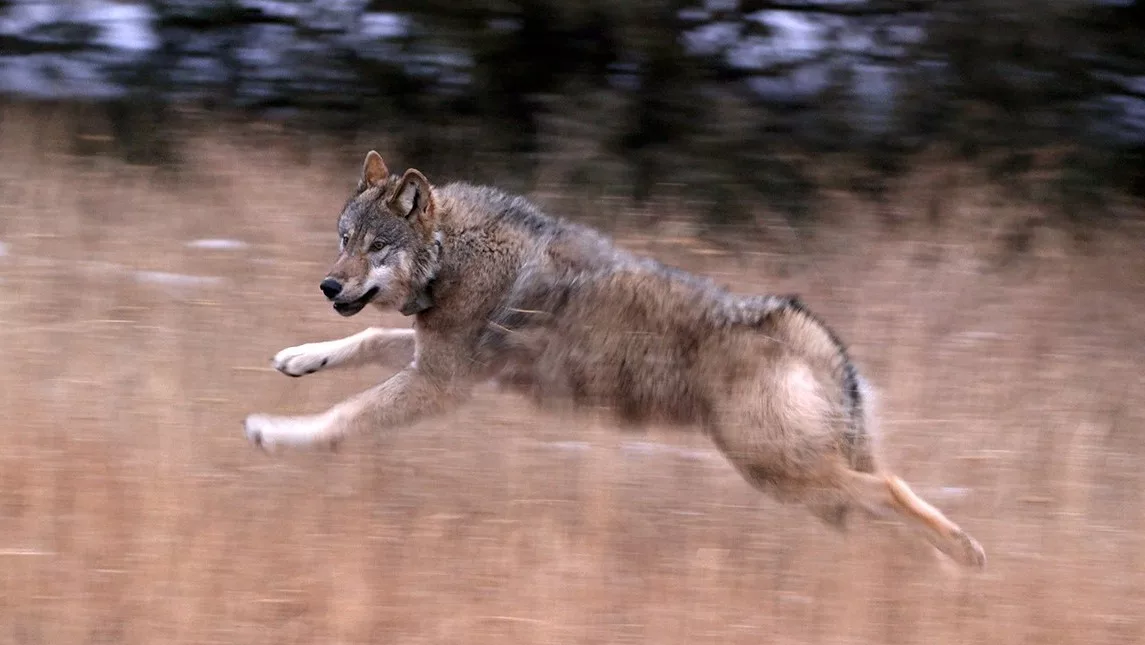

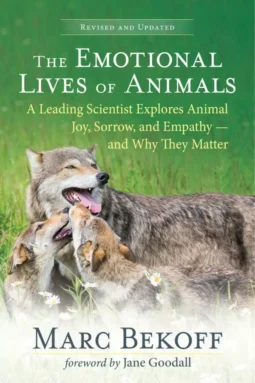 In this week’s show Beth spoke with Marc Bekoff, well known and loved for his decades of research into animal behavior, emotion and cognition, about the new edition of his classic book, The Emotional Lives of Animals. Marc Bekoff is professor emeritus of Ecology and Evolutionary Biology at the University of Colorado, Boulder. For decades he has studied animal behavior, cognitive ethology (the study of animal minds), behavioral ecology, and written extensively on human-animal interactions and animal protection. He centers his work and writing around compassionate conservation, namely the principle of, “First do no harm” and the life of every individual matters because they are alive and have intrinsic value, not because of what they can do for us. We talked about the new edition of his classic book,

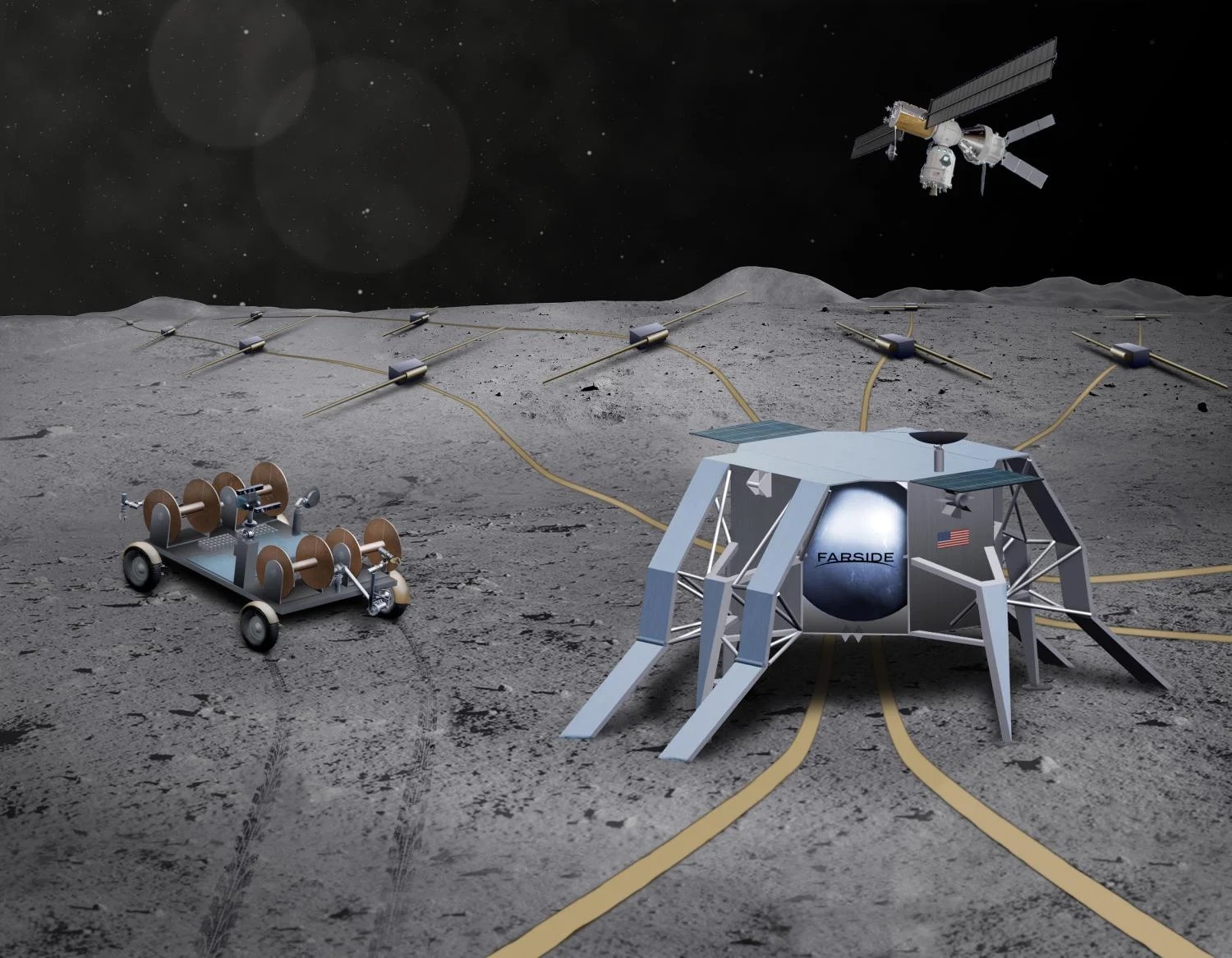 When people talk about going to the Moon, it is often in terms of establishing a station there, or finding water, or doing science
 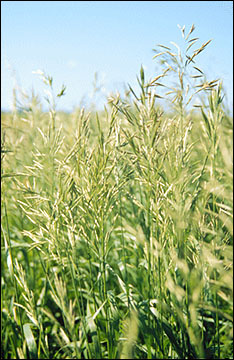 On this week’s show Beth speaks with Joe Swanson and Laura Backus to discuss some of the invasive weeds that are plaguing Boulder County. Joe is the County
 Animal Communication Science (start time: 2:57) Whether you own a dog or horse, or have listened to dolphins, wolves, chimpanzees or other wild animals, you’ve probably wondered what they’re saying when they communicate vocally – and why do they communicate the way they do? Our guest, zoologist
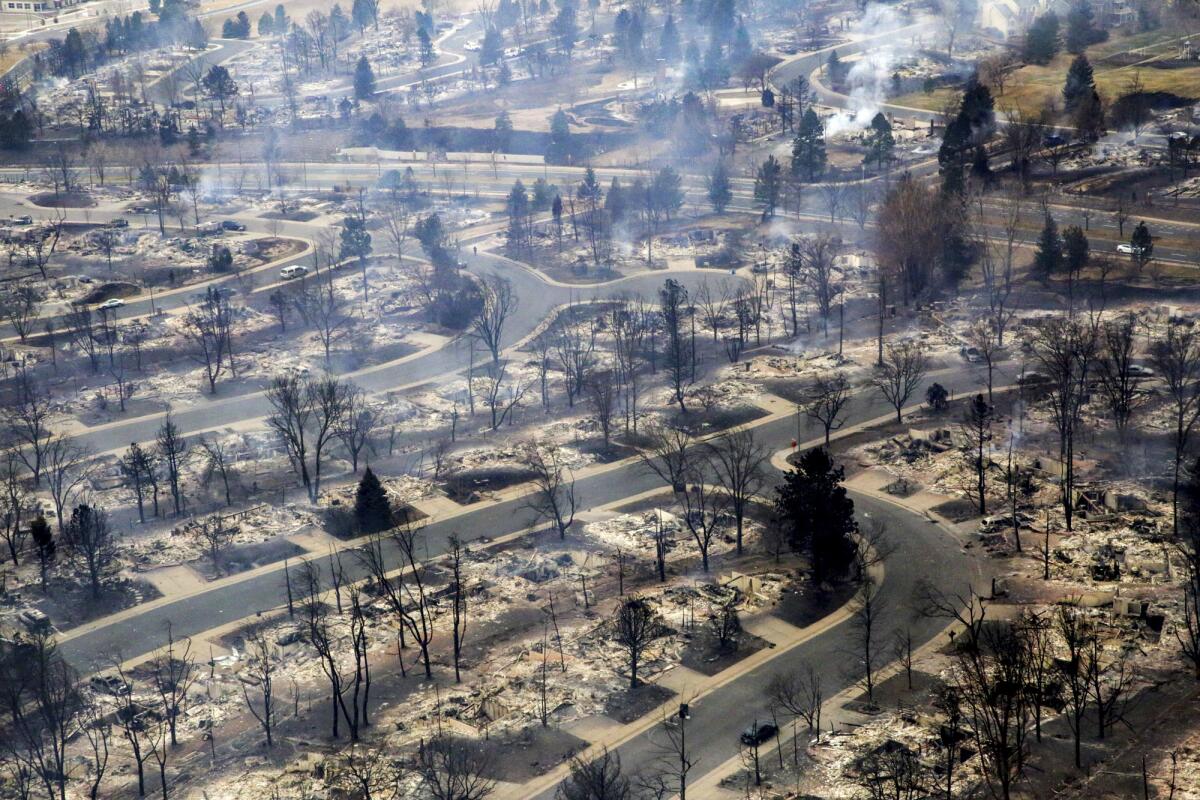 In this fire prone season, we talk with experts about an ancient building technique that might reduce the chance that a building’s going to burn. Unfired, compressed earth blocks are a building material that involves clay, sand and lime. Our guests are architect-engineer