

Why Compost? (start time: 7:01) Many of us may feel a little less guilty letting fruits and vegetables go bad, because we figure that this waste, thanks to curbside compost pickup, will be turned into nutritious food for crops, lawns or grasslands down the road. And landfills will spew less methane, a greenhouse gas far more potent than carbon dioxide. The story of food waste and reuse is a complicated one. Our two guests are working on getting composting right — and ultimately on how to make our food-production and consumption systems more sustainable, starting here on the Front Range. Dan Matsch directs the compost department for Eco-Cycle, the nonprofit recycler that works with cities along the Front Range. He also directs Eco-Cycle’s Center for Hard-to-Recycle Materials (CHaRM). Mark Easter is an ecologist at Colorado State University’s Natural Resource Ecology Laboratory. Matsch and Easter discuss with host Susan Moran the journey of a rotten zucchini, how composting is tied to the emerging practice of carbon farming, and how we all do our part.
Calendar advisory: Join KGNU and Eco-Cycle on Thursday, January 31, at the Longmont Museum (6:30 to 8:00 P.M) for a special community conversation on plastic waste–challenges and solutions. The event will include representatives from Eco-Cycle, the Inland Ocean Coalition, and local business and sustainability leaders. For more info, go to this website.
Hosts: Susan Moran, Chip Grandits
Producer: Susan Moran
Engineer: Chip Grandits
Executive Producer: Beth Bennett
Additional contributions: Beth Bennett
Listen to the show here:

Podcast: Play in new window | Download (Duration: 27:10 — 24.9MB)
Subscribe: RSS


 Healthy Planet+Healthy Humans? (start time: 14:46)
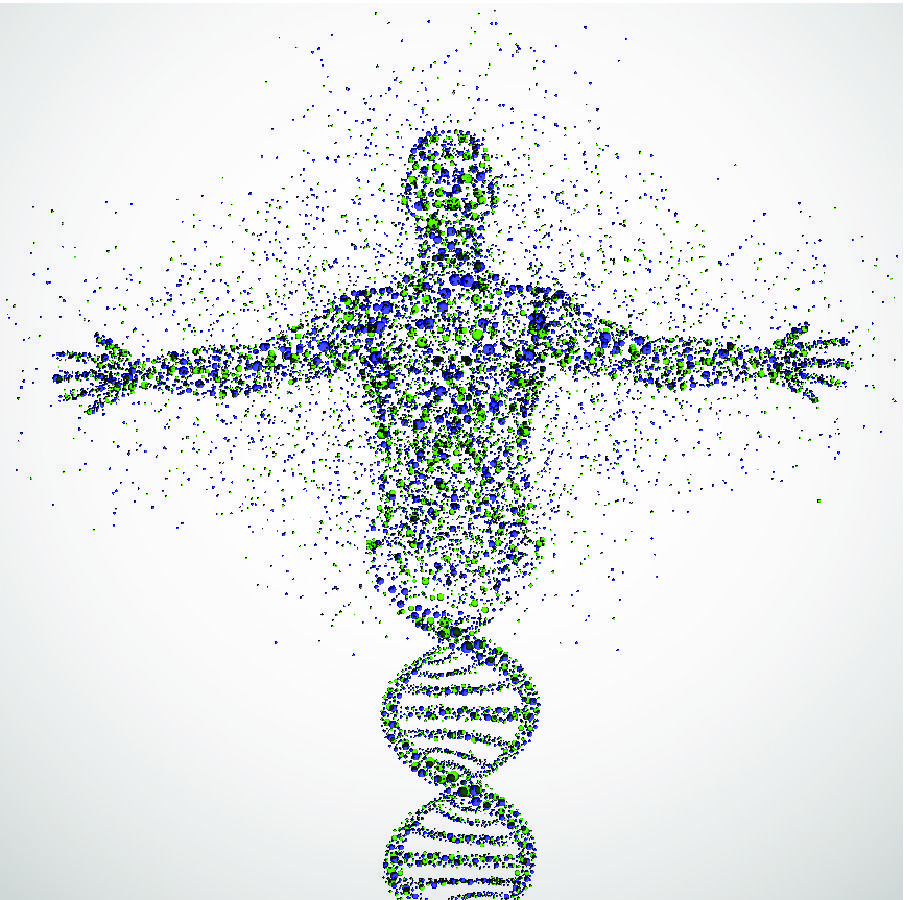
 Regenerative Medicine (start time: 7:30): We begin our series on




 This week’s How On Earth offers two features:
 Fixing Food Waste (start time: 17:59) We’re all guilty of it: waste. Tossing out peaches, broccoli and other food that has gone bad in the fridge. Or leaving pasta on our plate untouched at an Italian bistro. More than one-third of all food that is produced in the United States is wasted – in the field, at restaurants, in our own kitchens. The conservation organization World Wildlife Fund recently published a report on the huge environmental and health impacts of food waste, and on what can be done to reduce waste, and ultimately preserve grasslands and other natural habitat. Monica McBride, manager of





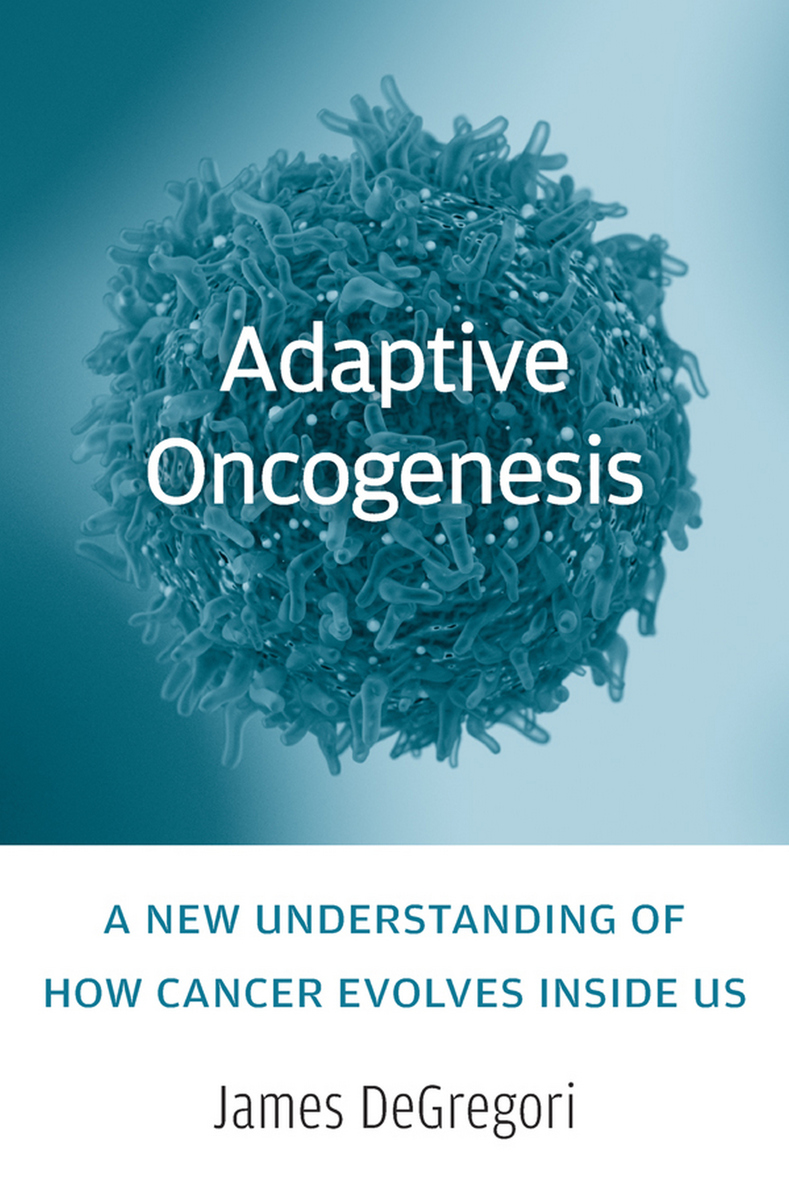
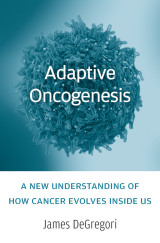 New Theory of How Cancer Evolves Inside Us (start time: 0:58): It is commonly known that cancer afflicts old people more than youth. Conventional wisdom has held we get cancer with age largely because we accumulate lots of genetic mutations over many years, and it’s the mutations that cause cancer. Our guest,