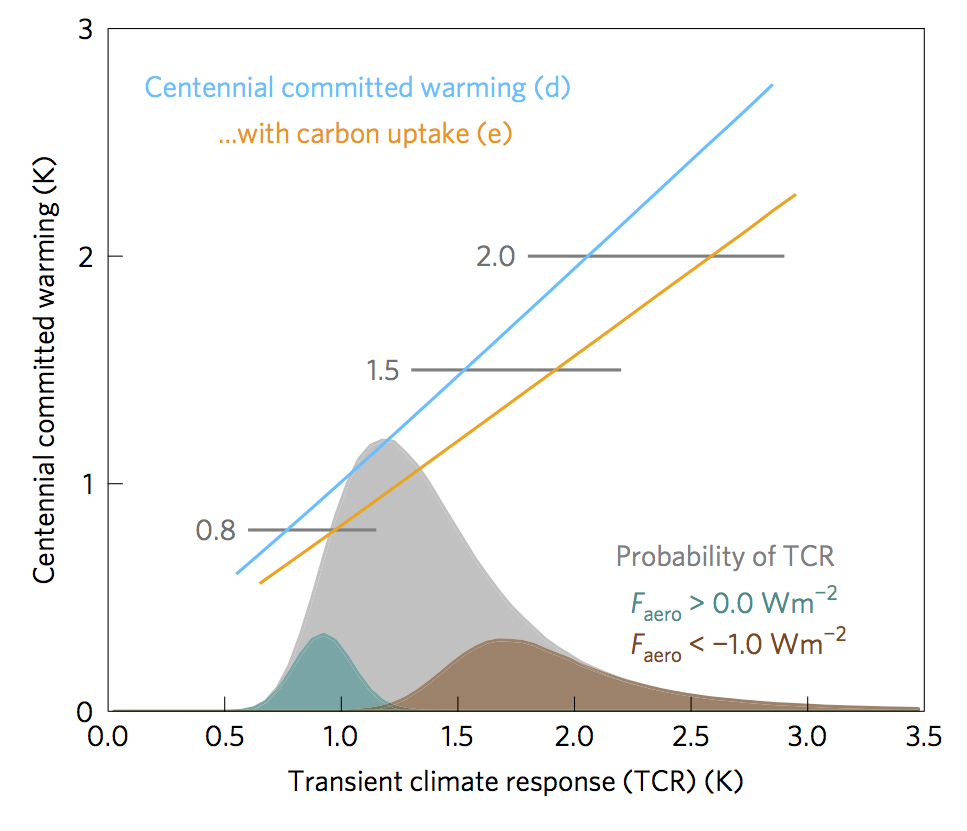
Much of current climate science research focuses on understanding how the climate is changing and what type of climate we will have in the near future. But to understand where the climate is going, we need to understand where the climate has been. It is especially important to understand how the climate has responded to the rise of the modern, industrial world, which has emitted greenhouse gases that warm the climate. Because many of these gases will last for a long time in the atmosphere, some of this warming has already been set in motion and will happen regardless of future greenhouse gas emissions. This change is known as “committed warming”.
Determining how much committed warming has occurred in the climate is important to understand the future path of our climate. How on Earth speaks with Dr. Robert Pincus, a co-author of a new study published in Nature Climate Change that provides an estimate of committed warming using a global database of surface temperatures. Dr. Pincus is a Research Scientist at the Earth System Research Laboratory at the National Oceanic and Atmospheric Administration.
Hosts: Alejandro Soto
Engineer: Alejandro Soto, Shelley Schlender
Producer: Shelley Schlender
Additional Contributions: Beth Bennett, Joel Parker
Executive Producer: Alejandro Soto
Listen to the show:

Podcast: Play in new window | Download (Duration: 27:12 — 24.9MB)
Subscribe: RSS

 The
The 

 This week on How on Earth we speak with Simon Melov, a biochemist at the Buck Institute for Aging. Dr Melov studies various aspects of aging in worms, mice and humans. The aging field is replete with new and exciting discoveries and Simon’s work epitomizes that.


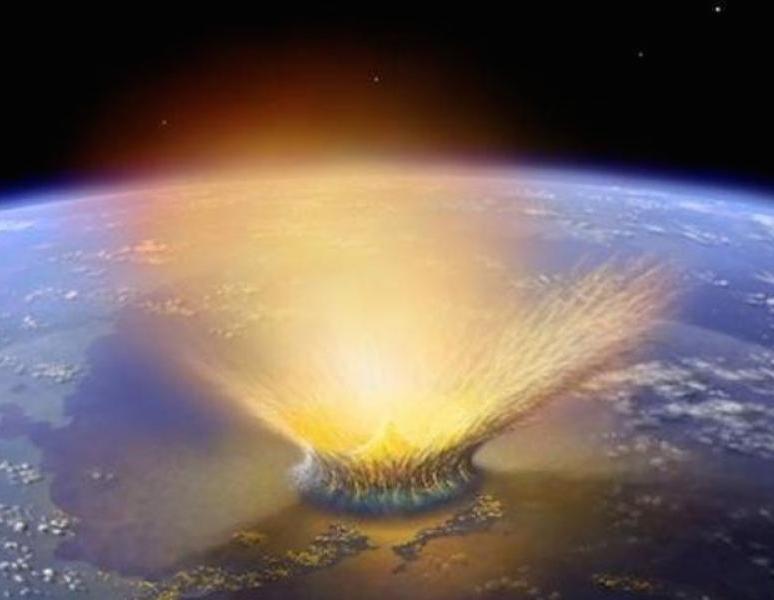
 Climate Change and Extinctions Following an Asteroid Impact (starts at 8:45) It has been hypothesized that the dinosaurs were killed off by a large asteroid that struck the Earth. The details of how the impact of a 10 kilometer diameter asteroid led to global scale extinction have remained elusive. Recently, climate researchers from the Boulder area published new climate model results that show how the asteroid impact ultimately leads to widespread cooling in the atmosphere and increased exposure to ultraviolet radiation. These drastic and rapid changes to the climate due to the asteroid impact may explain the global scale extinction.