
On Tuesday, Nov. 26, How On Earth brings you two features:
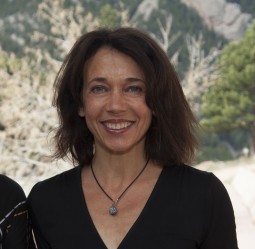
 Feature #1: (start time 5:53) STEM, as you may well know, stands for Science, Technology, Engineering and Mathematics. Many math and science topics are introduced throughout most years of primary education, but technology and engineering — not so much. We live in a world surrounded by things imagined and designed and built by engineers, from roads and buildings to computers and appliances and even food, drugs and clothing. So it’s important to understand engineering if we want to understand these life necessities. An educator tackling this issue is Dr. Christine Cunningham, vice president of research and educator resource development for a project called “Engineering is Elementary.” It was developed by the Museum of Science in Boston. Cunningham is featured in an article, written by former How On Earth contributor Breanna Draxler, called “E is for Engineering” in the December issue of Discover magazine. Cunningham talks with host Joel Parker about how teaching engineering to very young students can be done.

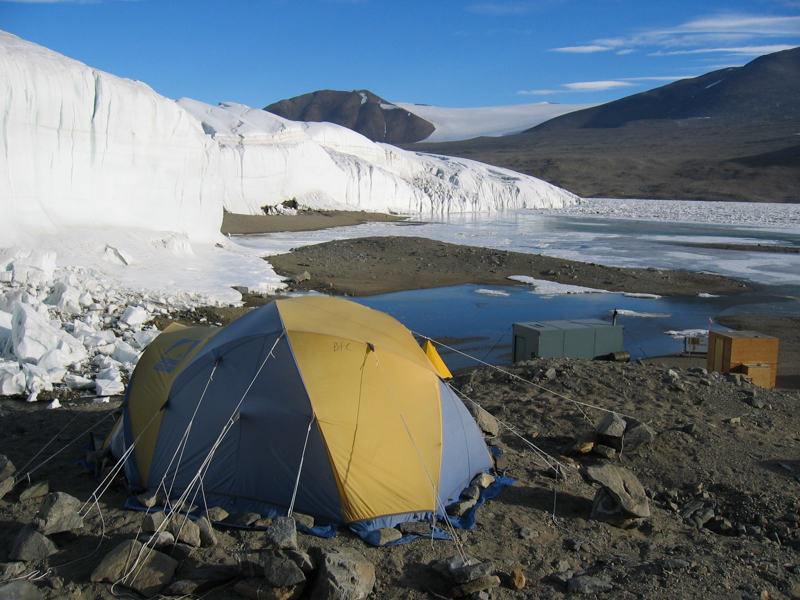
Photo courtesy John Weller
Feature #2: (start time 14:45) Arguably the healthiest marine ecosystem on Earth is the Ross Sea in Antarctica. It’s so pristine largely because it is protected by a 500-mile-wide shield of floating sea ice, and, well, it’s not exactly easy to get to. But in recent years the Ross Sea has come under threat, largely from New Zealand industrial fishing ships that are hunting as far south as they can for the Antarctic toothfish, which was rebranded as Chilean sea bass for U.S. and other consumers. John Weller is a nature photographer and conservationist living in Boulder. He has documented the beauty and fragility of the Ross Sea in his new book, The Last Ocean. Weller also co-founded a nonprofit, called The Last Ocean Project, that is dedicated to protecting the Ross Sea and other fragile marine ecosystems. Weller talks about the science and art of these environments with host Susan Moran. (You also can hear a previous interview with Weller on KGNU’s Morning Magazine.)
Hosts: Susan Moran, Joel Parker
Producer: Susan Moran
Engineer: Joel Parker
Executive Producer: Beth Bartel
Additional contributions: Brian Calvert, Jim Pullen
Listen to the show here:

Podcast: Play in new window | Download (Duration: 24:05 — 22.0MB)
Subscribe: RSS







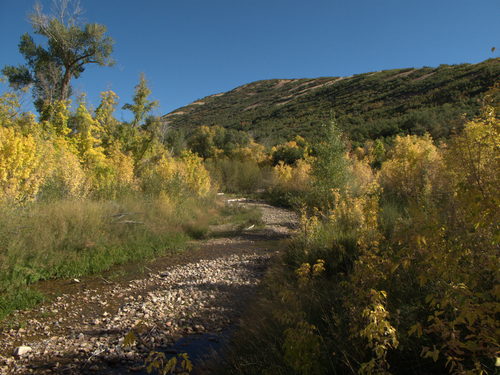
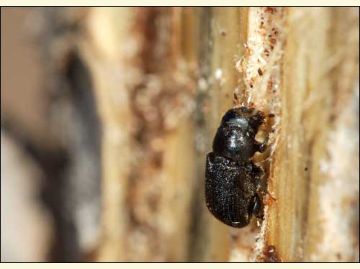

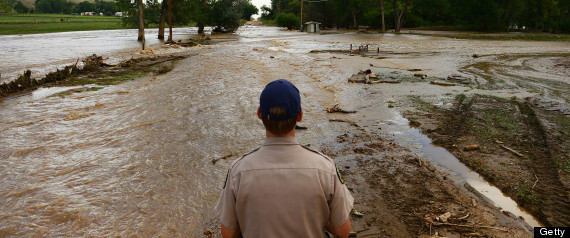
 Feature 1 – Flood Winners & Losers : Last month’s deluge cut canyons, real and felt, through many of our lives, but nature helps us remember that floods can build too. In this feature, How on Earth’s Jim Pullen speaks with Boulder’s wetland and riparian ecologist Marianne Giolitto about flood “winners and losers”. Marianne watches over 45,000 acres of the city’s open space and mountain parks wetlands and riparian habitats. Jim and the Boulder Open Space and Mountain Parks are working together on a
  Feature 2 – 100 Year Starship Symposium :

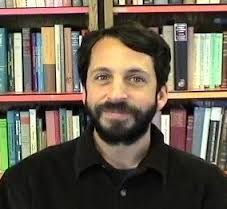
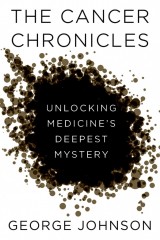 Feature 2 – The Cancer Chronicles (start time 12:22): In his new book,



 Feature 1: (start time: 03:45) Our first guest is Boulder beekeeper Tom Theobald. He talks about the current state of the bee crisis and what, if anything, the EPA is doing to address concerns that systemic pesticides like Clothianidan are properly controlled.