 Ketones (start time 6:40) A growing body of scientific research demonstrates health benefits for many people with a diet that’s lower in carbohydrates, and higher in fats. In fact, some of this research indicates great therapeutic benefits,. One reason why may be that, when carbohydrate consumption is low enough, the body enters a state of “nutritional ketosis,” where it transforms fats into a molecule called, beta-hydroxy-butyrate, or “ketones”. In the absence of sugar and carbs, the body can use ketones as its primary fuel.
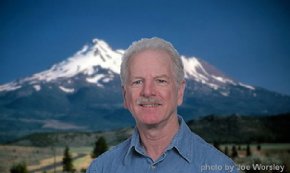
One of the scientists who has pioneered research into nutritional ketosis is Dr. Steve Phinney, and one of the populations who he believes gets special benefits from a ketone-producing diet is endurance athletes. For 30 years, Phinney has studied nutritional ketosis and athletic performance — including performance among bicycle racers, the winners of 100-mile ultra-marathons, and recently, a two-person rowing team that was among the top finishers in a rowing race that went from California to the Hawaiian Islands – rowing the whole way on a very low-carb, high fat, ketone-producing diet.
Hosts, Producer, & Engineer: Joel Parker
Executive Producer: Susan Moran
Additional Contributions: Beth Bennett
Listen to the show:

Podcast: Play in new window | Download (Duration: 25:57 — 23.8MB)
Subscribe: RSS





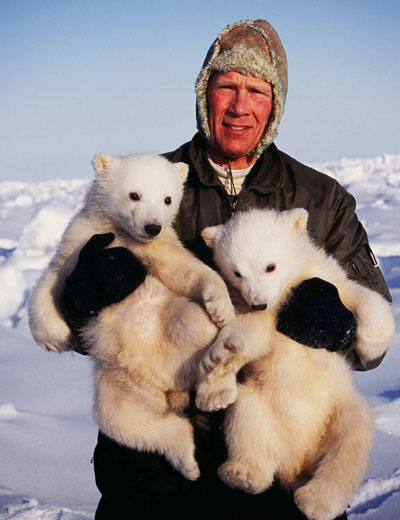
 Polar Bears (starts at 6:30): It is well known that, right now, life for polar bears looks bleak. Warming temperatures mean the season for sea ice cover in the Arctic has become shorter and shorter. As sea ice provides a home and hunting ground for polar bears, both the number of bears and their health has suffered. There is even talk of them becoming extinct. But is this something that we should worry about in Colorado and other non-arctic regions around the world? We don’t have bears, right now we don’t have ice, and we have plenty of other concerns. Dr. Steven Amstrup, the Chief scientist for Polar Bears International, joins us on How on Earth to explain why we should care. He thinks that polar bears are the sentinels of global health and that they provide advance warning of some of the challenges coming to all species. That includes us humans. But he thinks if we act soon, we can save both the bears and ourselves.


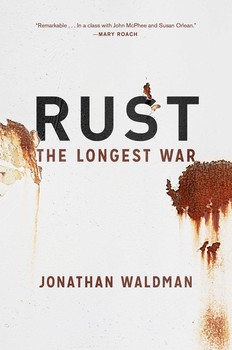
 On today’s spring pledge-drive show we offer segments of two feature interviews. See extended versions also below. Both books are available to those who pledge at least $60 to KGNU. Call 303.449.4885 today.
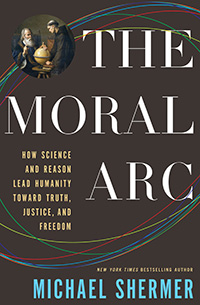 The Moral Arc (start time: 13:21) Author and renowned skeptic Michael Shermer talks with How On Earth contributor Shelley Schlender about his
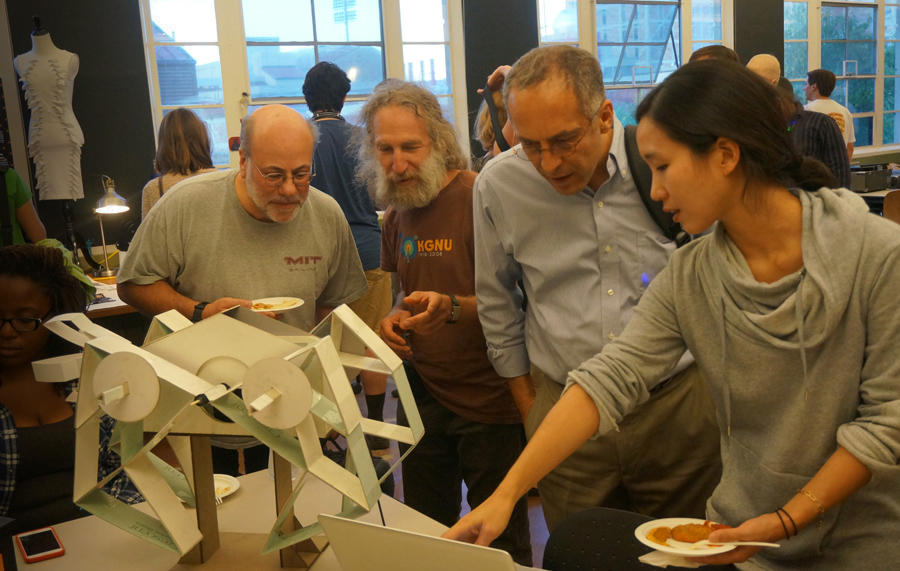
 ATLAS Institute Today we are joined in the studio with Mark Gross of the Alliance for Technology, Learning and Society institute at CU and Alicia Gibb Director of The Blow Things Up Lab, one of the spaces part of the ATLAS department.
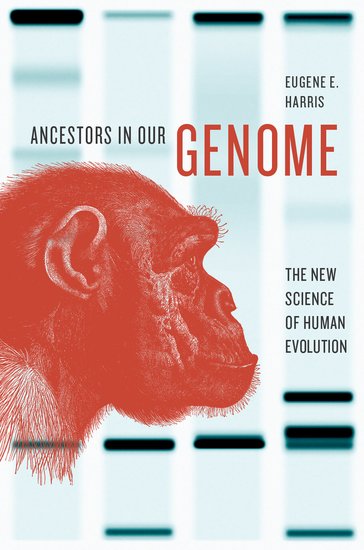
 We speak with