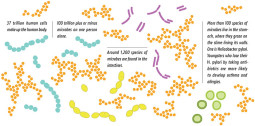
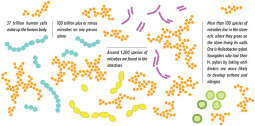
 This week on How on Earth, Beth interviews Dr Martin Blaser of New York University who challenges the assumption that antibiotics are harmless drugs targeting only harmful pathogens. In his recent book, Missing Microbes, Blaser presents the evidence that antibiotics are causing the extinction of important bacteria in our microbiome. These microbes have co-evolved with us, so losing them puts us at risk of many of the rising diseases of our society: asthma, allergies, eczema and obesity. Check out his book: https://books.google.com/books/about/Missing_Microbes.html?id=RJucAwAAQBAJ
Host: Beth Bennett
Producer: Beth Bennett
Engineer: Maeve Conran
Executive Producer: Beth Bennett
Listen to the show:

Podcast: Play in new window | Download (Duration: 25:24 — 23.3MB)
Subscribe: RSS


 The


 This week on How on Earth we speak with Simon Melov, a biochemist at the Buck Institute for Aging. Dr Melov studies various aspects of aging in worms, mice and humans. The aging field is replete with new and exciting discoveries and Simon’s work epitomizes that.



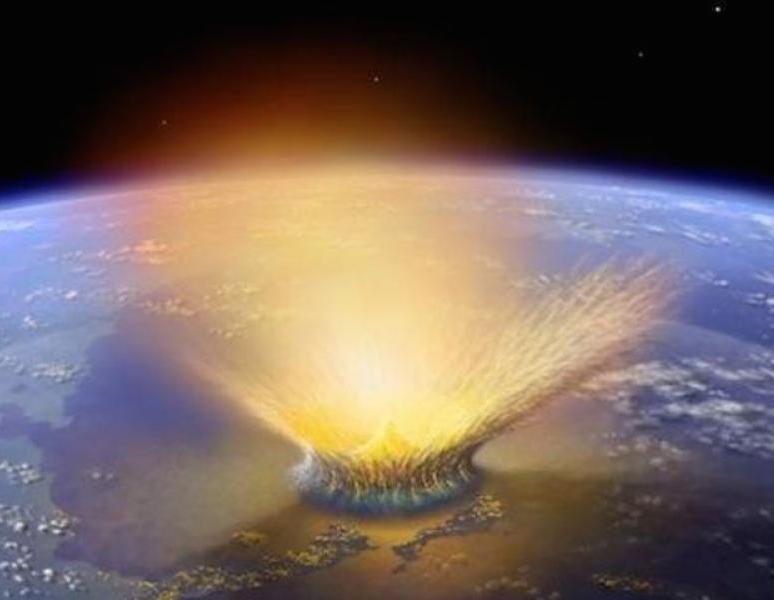
 Climate Change and Extinctions Following an Asteroid Impact (starts at 8:45) It has been hypothesized that the dinosaurs were killed off by a large asteroid that struck the Earth. The details of how the impact of a 10 kilometer diameter asteroid led to global scale extinction have remained elusive. Recently, climate researchers from the Boulder area published new climate model results that show how the asteroid impact ultimately leads to widespread cooling in the atmosphere and increased exposure to ultraviolet radiation. These drastic and rapid changes to the climate due to the asteroid impact may explain the global scale extinction.