
This week on How On Earth, we present an Encore Feature from January 2018 about the science and art of brewing beer with guest Pete Brown, author of Miracle Brew. This episode also includes new headlines about current research about COVID-19 and about the science of drying towels outside.
Host: Beth Bennett
Producer: Joel Parker, Beth Bennett
Engineer: Maeve Conran
Additional contributions: Angele Sjong
Executive Producer: Beth Bennett
Listen to the show:

Podcast: Play in new window | Download (Duration: 27:56 — 25.6MB)
Subscribe: RSS


 This week on How On Earth, we produced the entire show out of the studio, explaining one brief glitch. Beth gives a short update on the way the corona virus infects cells and how this entry point can affect people taking blood pressure medications. In our feature interview, Beth talks with Professor Mark Opp, who studies sleep in his
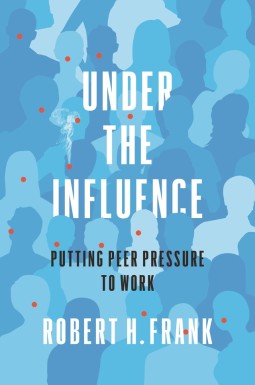 This week on How on Earth we start with an update on the corona virus, focusing on treatments and vaccines. At 12 minutes, we begin our interview with Bob Frank, author of Under the Influence, Putting Peer Pressure to Work. This book explains how we could redirect trillions of dollars annually in support of carbon-free energy sources, all without requiring painful sacrifices from anyone. Dr Frank has developed some novel strategies relying on peer pressure to get people to change their actions so as to reduce carbon emissions and climate change. He also details many prior and successful examples of this type of peer pressure. You can see more at the publisher’s


 This week, Beth and Angele speak with with Brenda Ekwurzel in the studio. Brenda is the director of climate science for the Union of Concerned Scientists. She was in Boulder for a panel on Air Quality and Climate Change. She spoke about some Colorado issues e.g. wildfire and drought, and assigning responsibility for specific events to fossil fuel producers. She is a widely quoted expert on climate change, and co-authored the UCS guide Cooler Smarter: Practical Steps for Low-Carbon Living. For more information you can visit her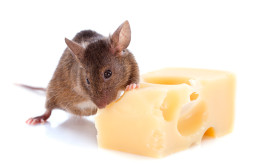
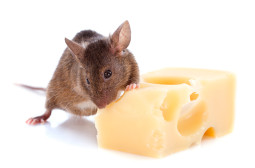 This week on How on Earth, we speak with Dr John Newman, geriatrician and geoscientist at the Buck Institute. He describes his recent research in mice, showing that both memory and muscle improve in animals eating a high fat diet. To see more details on these experiments, you can visit the lab


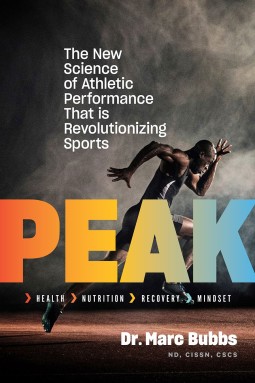
 In this episode, Beth speaks with Dr Marc Bubbs, author of Peak: The New Science of Athletic Performance, his book exploring the fundamentals of high performance. He offers science-based strategies on nutrition, training, sleep, recovery, and stress management to optimize performance for all levels of athletes and trainers. You can read more about the book