
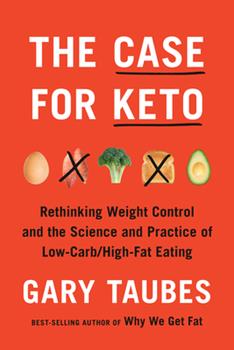
In today’s show, Beth talks with science writer and journalist Gary Taubes about his new, and more personal book (The Case for Keto) on his experience with the low-carb, high fat or ketogenic diet. He interviewed hundreds of people, physicians, scientists, and ordinary folks, about their experiences on this diet. The keto diet produces consistency weight loss because it circumvents the insulin system, activated by carbs, which promotes fat storage. And yet, this diet also produces good health metrics in terms of cholesterol and other outcome measures. The interview starts at about 9 minutes in.
Executive Producer: Beth Bennett
Producer:Beth Bennett
Additional Contributions: Joel Parker
Listen to the show:

Podcast: Play in new window | Download (Duration: 29:19 — 26.8MB)
Subscribe: RSS







 This week on How on Earth, Beth interviewed Scott Lehman of the University of Colorado here in Boulder. Dr Lehman collaborated with a team at NOAA, to develop a novel technique to identify the CO2 released by burning of fossil fuels, allowing its exact calibration in the global carbon budget. Due to technical difficulties, you can’t hear Beth’s questions in the audio, but Scott’s responses are very clear. You can find more information at his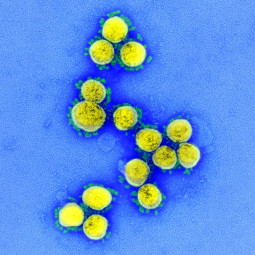
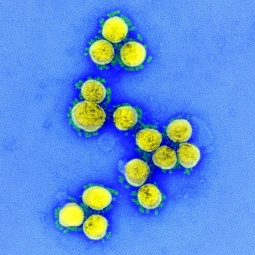 This week on How on Earth, Beth delves into the science of vaccination for the new corona virus and speaks with Dr David Werner of SUNY Binghamton about his research on the likelihood that general anesthetics can set children and adolescents up for the risk of later alcohol abuse. Find out more at his

 Today on How on Earth, Beth plays part of a

 Beth and Angele discuss the pros and cons of mask wearing as protection against the novel corona virus. You can see the
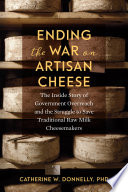
 This week on How on Earth, we speak with Professor Catherine Donnelly, of the University of Vermont, about her book,