
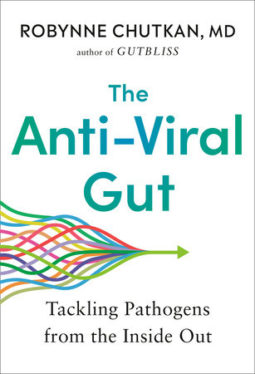
 This week on How on Earth Beth talks to Dr. Robynne Chutkan, about her newest book, The Anti-Viral Gut, in which she describes research elucidating the protective role of the microbiome. Many studies have confirmed the link between the health of our microbiome—the trillions of bacteria that live in our digestive tract—and our likelihood of getting devastating viral illnesses like COVID-19. Low-fiber diets, limited exposure to nature, and overzealous use of antibiotics can disrupt the microbiome. In her recent book, Chutkin lays out a plan for anyone trying to avoid or recover from a viral illness to rehab their gut microbes and restore their health.
Executive Producer: Susan Moran
Show Producer: Beth Bennett
Additional Contributions: Shelley Schlender
Listen to the show:

Podcast: Play in new window | Download (Duration: 24:58 — 20.2MB)
Subscribe: RSS

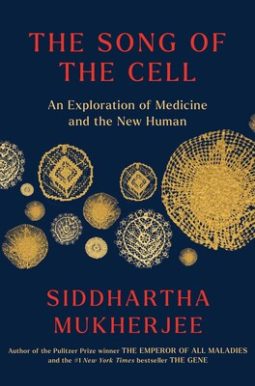 Today on How on Earth, Beth talks with Dr Siddhartha Mukherjee. His first book, The Emperor of All Maladies, won the Pulitzer Prize in 2011. His
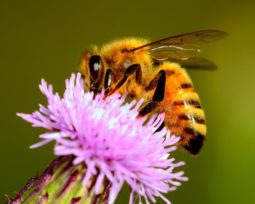 On today’s show Beth talks to Prof Michael Breed about honeybees. Sure, there is a little on their decline which is concerning to all of us, but we focus on many remarkable aspects of their biology. If you want to go deeper, you can visit
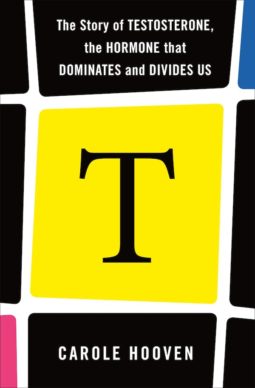 ON this week’s show, Beth talks with Carole Hooven about her new
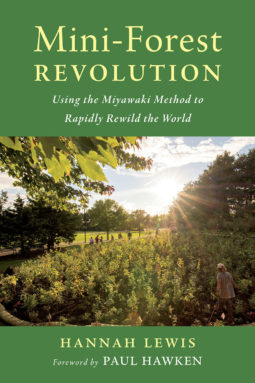 In this week’s How on Earth, we look at 3 aspects of climate change: its role in disease incidence and transmission; some effects of the new climate change legislation; and how ‘micro-forests’ can mitigate temperature and water loss. The latter comes from an interview with author Hannah Lewis and her book
 This week on How on Earth, Beth speaks with author and planetary geologist Dr. Simon Morden. In his book,
 This week on How on Earth, Beth talks with Dr Seven Hussey about his recent
 This week on How on Earth, Beth speaks with Susan Allport, an award-winning writer who has written extensively on science. They talk about her book on omega 3 fats, The Queen of Fats, namely the touted omega-3 fatty acid. These essential fats can’t be synthesized by the human body and must be obtained from our diets. The conversation ranges widely, including details as to why they are so critical to health and some of the unique evolutionary history of our species that makes them so necessary. You can find out more about these amazing molecules at
 IN this week’s show Beth speaks with Dr Thomas Insel, former director of the National Institute of Mental Health. Dr. Insel was giving a presentation when the father of a boy with schizophrenia yelled from the back of the room, “Our house is on fire and you’re telling me about the chemistry of the paint! What are you doing to put out the fire?” Dr. Insel knew in his heart that the answer was not nearly enough. In his
 In this week’s show Beth talks to author Annabel Streets. Her book