

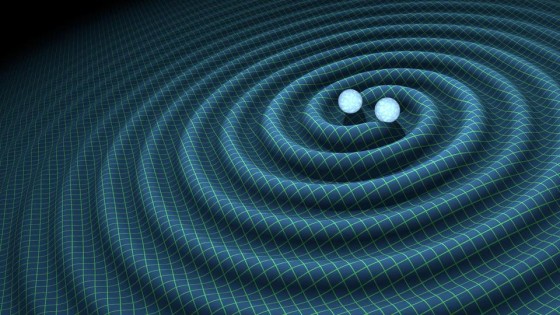
 Interview with LIGO Scientist Dr. Matt Evans (6:22): The recent big news in physics was the announcement of the first direct detection of gravitational waves. The detection was made by the LIGO project, which stands for “Laser Interferometer Gravitational-Wave Observatory”. Reports have said that this is a confirmation of general relativity and a new way to view the universe. To help us understand that, and why this is such a significant achievement, we have on the phone Dr. Matthew Evans, an Assistant Professor of Physics at MIT. Dr. Evans is a member of the LIGO Scientific Collaboration and the chair of the Advanced Interferometer Configurations working group. His research focus is on gravitational wave detector instrumentation, and the fundamental sensitivity of gravitational wave detectors.
And here you can see the signal and hear the “chirp” of a graviational wave!
Hosts: Kendra Krueger, Joel Parker
Producer: Kendra Krueger
Engineer: Kendra Krueger
Additional Contributions: Beth Bennett
Executive Producer: Joel Parker
Listen to the show:

Podcast: Play in new window | Download (Duration: 25:10 — 23.0MB)
Subscribe: RSS




 Winter Stars (starts at 5:30). We talk with Dave Sutherland, an interpretive naturalist with Boulder Open Space and Mountain Parks, about winter star-gazing. This program is tied to an upcoming concert performance by the Boulder Philharmonic Orchestra on February 12, 2016. More information about the Boulder night hikes and other programs can be found at:



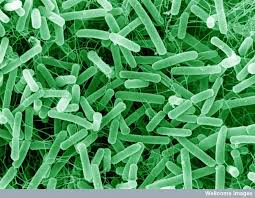
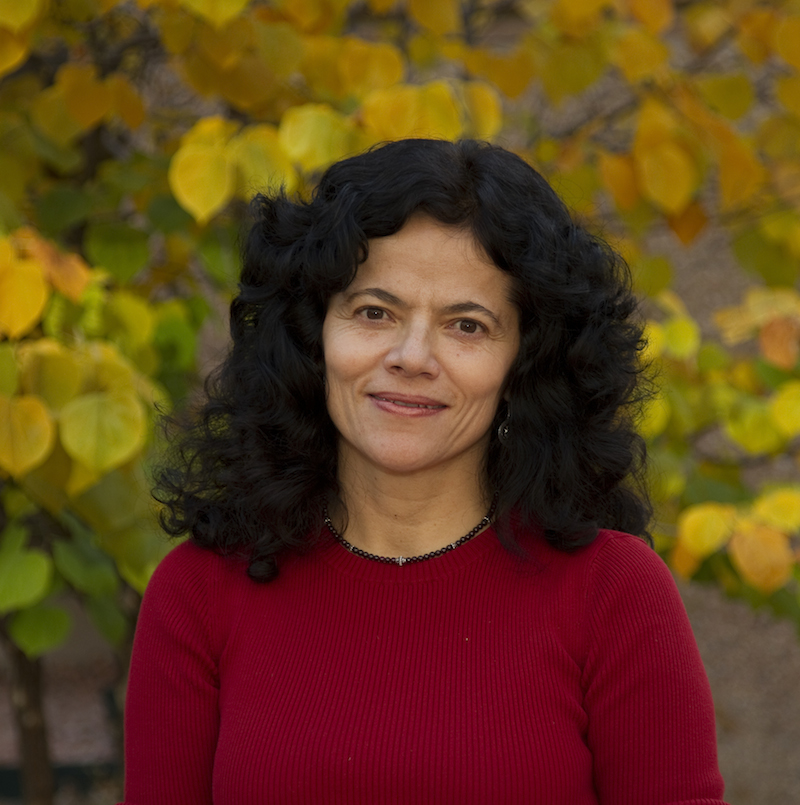
 Using the Microbiome to Determine Time of Death (starts at 5:40): This week on How on Earth, we speak with



 These are questions that the
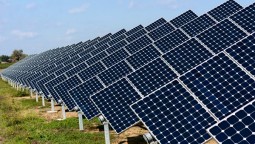
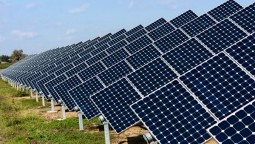 What You Can Do About Global Warming (starts at 5:20): We interview Craig Hover, author of A World to Come Home To: Ending Global Warming in Our Lifetime. Craig is a licensed professional engineer with more than 30 years of engineering, project and facilities management, financial services and consulting. In his book he lays out a comprehensive vision of implementing sustainable strategies for reducing carbon emissions and reversing the current trends in climate change.