

 With graduation season is upon us, today’s edition of How on Earth is the first of a two-part annual “Graduation Special”. Our guests in the studio today are scientists who will receive their Ph.D. in a STEM-related field. They talk about their thesis research, their grad school experiences, and what they have planned next.
 Oliver Paine – CU Boulder, Department of Anthropology
Topic: Exploring C4 Plant Foods: The Nutritional and Mechanical Properties of African Savanna Vegetation
 Diba Mani – CU Boulder, Department of Integrative Physiology
Topic: Adjustments in Motor Unit Activity and Mobility Induced by Electrical Nerve Stimulation in Young and Older Adults
 John Nardini – CU Boulder, Department of Applied Mathematics
Topic: Partial Differential Equation Models of Collective Migration during Wound Healing
Host / Producer / Engineer : Joel Parker
Listen to the show:

Podcast: Play in new window | Download (Duration: 28:14 — 25.9MB)
Subscribe: RSS



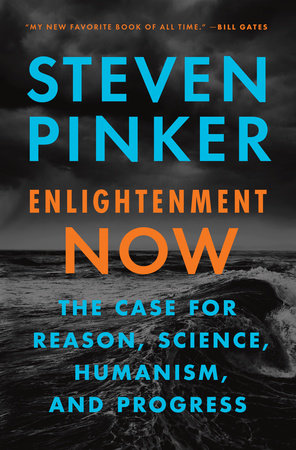
 You may be among many who wistfully harken back to the “golden days” of the past. For some people the past does look rosier, or perhaps the present looks grim, but, according to

 Woodstock. Lallapalooza. Lilith Fair. Coachella. Burning Man. All famous music and art festivals. What about…science festivals? Perhaps a festival with all the “rock stars” of science and space exploration, and while you’re at it, throw in a few music rock stars as well? Well, that describes the


 Boulder, Colorado has a rich culture of science, as the home for serveral prestigious national laboratories, a thriving technology industry, the flagship campus of the University of Colorado and various joint ventures between them. As a science enthusiast, where might you go to find a community of like minded people? Must you work in a lab? Teach at a university? Enroll as a student? Well now Boulder has

 For this end-of-the-year/start-of-the-year How on Earth show, we look back to 2017 with clips from some of our features from the past year: selections about tracking methane leaks,
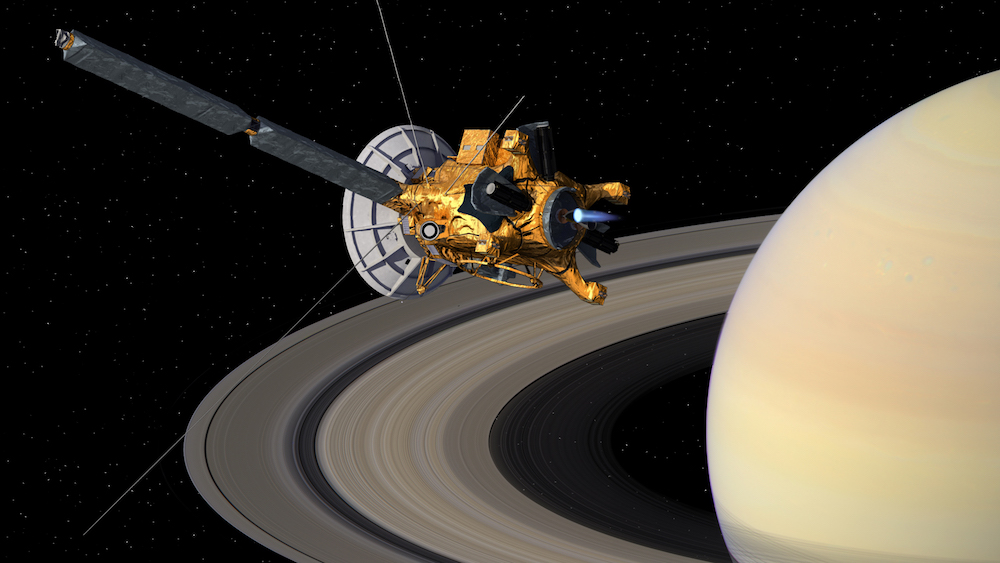
 The
The 


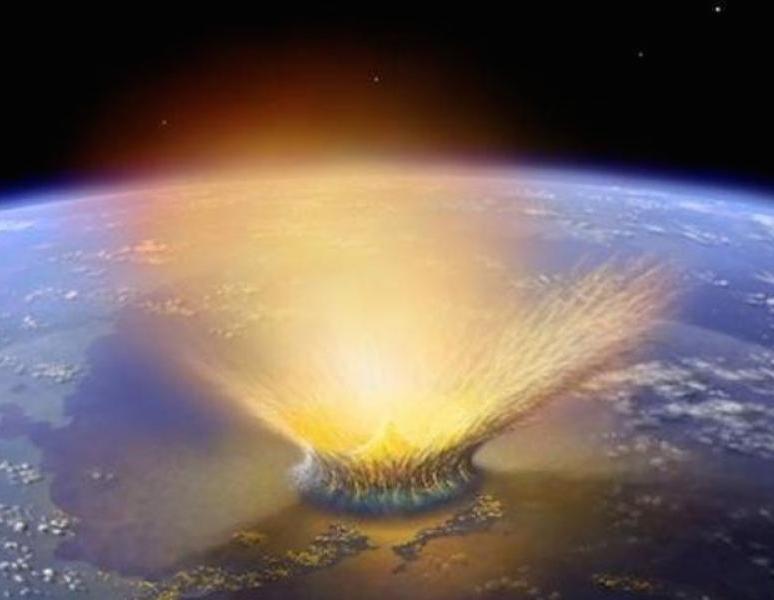
 Climate Change and Extinctions Following an Asteroid Impact (starts at 8:45) It has been hypothesized that the dinosaurs were killed off by a large asteroid that struck the Earth. The details of how the impact of a 10 kilometer diameter asteroid led to global scale extinction have remained elusive. Recently, climate researchers from the Boulder area published new climate model results that show how the asteroid impact ultimately leads to widespread cooling in the atmosphere and increased exposure to ultraviolet radiation. These drastic and rapid changes to the climate due to the asteroid impact may explain the global scale extinction.