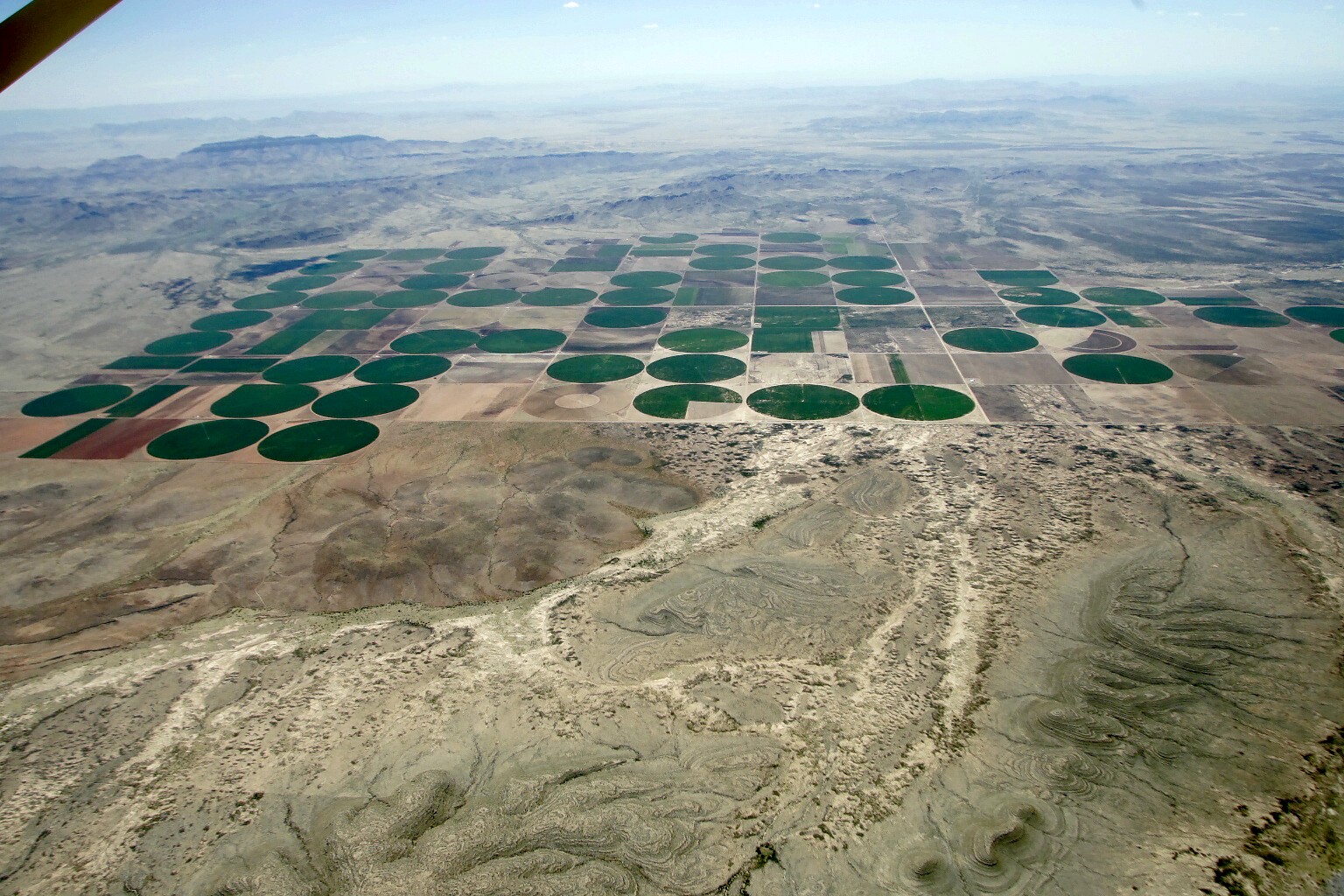
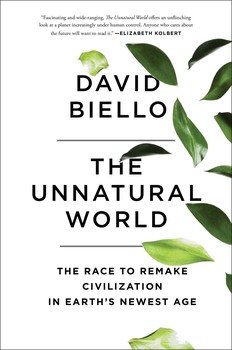
 The Unnatural World (start time: 6:58): It’s an audacious topic for a book: the planet, and audacious individuals who are working to save — actually, to remake — human civilization and our home on Earth. David Biello is the science curator at TED and a contributing editor at Scientific American. His debut book, The Unnatural World: The Race to Remake Civilization in Earth’s Newest Age (Scribner), will be out in paperback next month. It explores how we have altered “nature” in so many ways, from burning fossil fuels and warming the oceans and atmosphere, to tearing down tropical rain forests, to killing off so many species. In this newest epoch, dubbed by many the Anthropocene, humans are not just messing things up; they are also inventing solutions, as Biello notes. Daring optimists in his book include Elon Musk and his Tesla electric cars and trucks.
Hosts: Chip Grantis, Susan Moran
Producer: Susan Moran
Engineer: Chip Grantis
Executive Producer: Beth Bennett
Additional Contributions: Joel Parker
Listen here to the show:

Podcast: Play in new window | Download (Duration: 26:42 — 24.4MB)
Subscribe: RSS


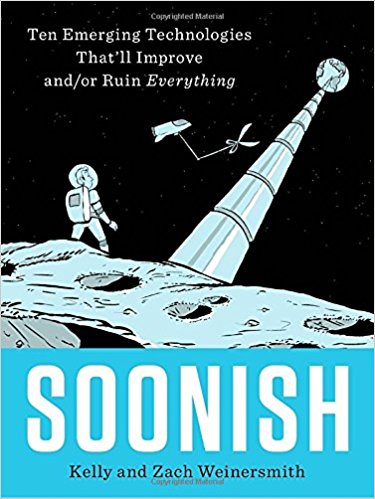


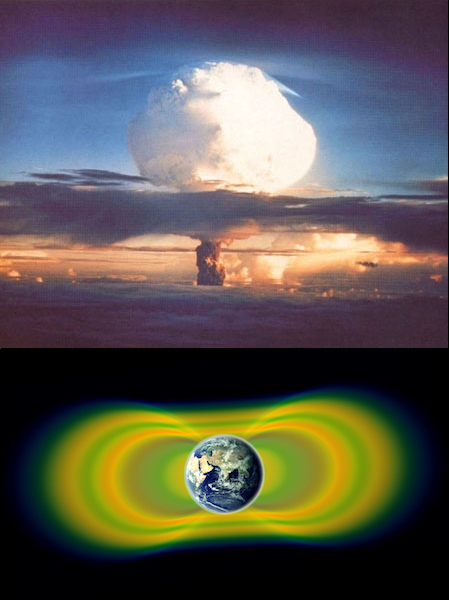
 In 1963, the United States, the Soviet Union, and Great Britain signed the
 This week on How on Earth, Beth interviews Dr Martin Blaser of New York University who challenges the assumption that antibiotics are harmless drugs targeting only harmful pathogens. In his recent book, Missing Microbes, Blaser presents the evidence that antibiotics are causing the extinction of important bacteria in our microbiome. These microbes have co-evolved with us, so losing them puts us at risk of many of the rising diseases of our society: asthma, allergies, eczema and obesity. Check out his book:

 The
The 

 This week on How on Earth we speak with Simon Melov, a biochemist at the Buck Institute for Aging. Dr Melov studies various aspects of aging in worms, mice and humans. The aging field is replete with new and exciting discoveries and Simon’s work epitomizes that.