
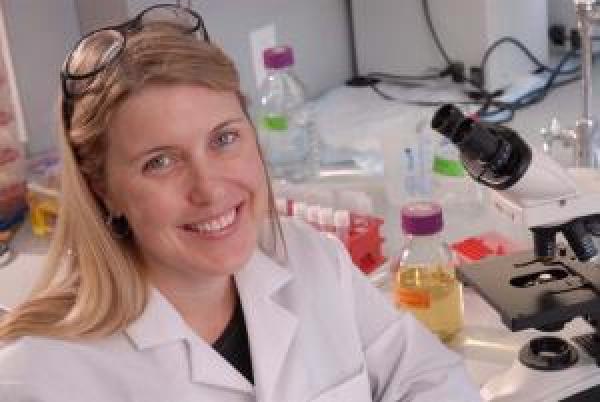
 CU Boulder has just opened up dorms and in-person classes. The CU Boulder Covid Research Strategies Webinar presents innovative testing plans that include ultra-fast COVID tests from the Sara Sawyer Lab and an automated sewage sampling system from Creston Mansfeldt. Both tests may speed early warning of Covid. Both testing strategies are innovative and ambitious. But funding and testing capacity mean only dormitory students receive these tests. Dorm students represent around 20% of CU Boulder students. Roughly 80% of CU students live off-campus (not in the dorms). They are not slated to receive these special tests, or basically, any regular tests.
Currently, CU-Boulder COVID infection rates are low. As questions on next week’s show, we will be watching for . . . how does all this influence the ability of CU-Boulder’s innovative tests to help CU keep Covid-19 cases down and to help the campus stay open?
Hosts: Beth Bennett, Angele Sjong, Shelley Schlender
Producer: Shelley Schlender
Engineer: Maeve Conran

Podcast: Play in new window | Download (Duration: 28:04 — 25.7MB)
Subscribe: RSS

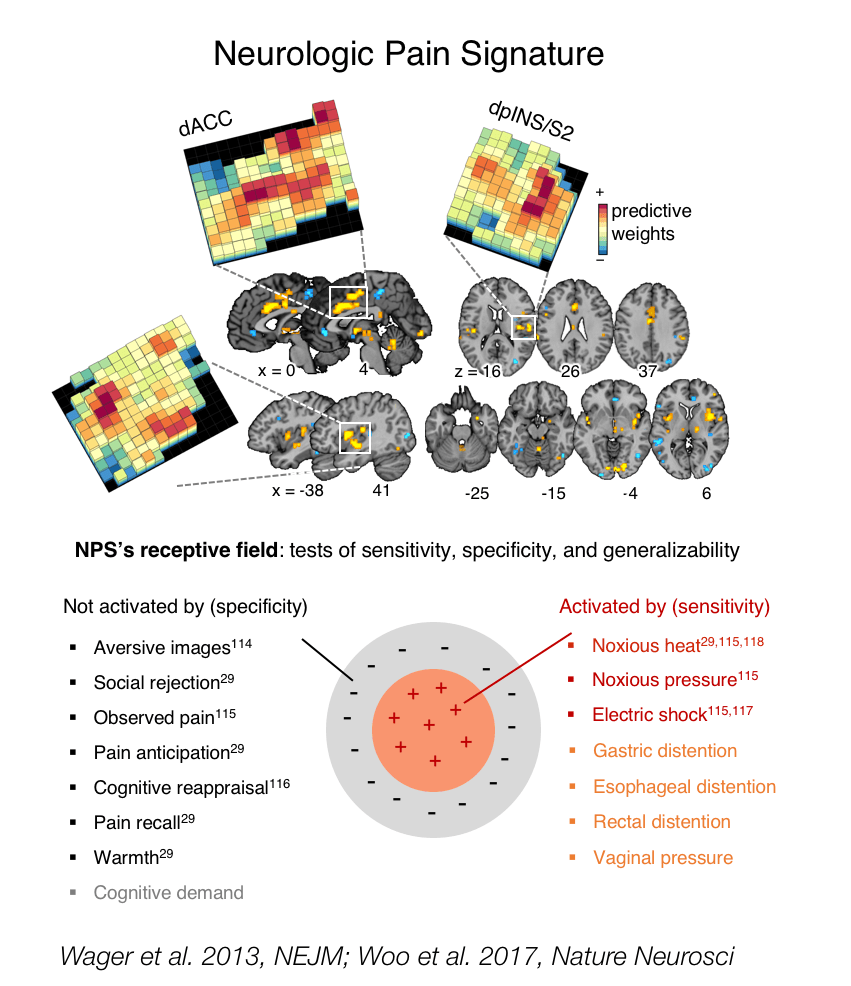
 Chronic pain is a debilitating condition for millions of people worldwide. But what role does our brain play in processing pain? Cognitive neuroscientists are gaining a better understanding of how our brain processes pain. Using advanced imaging techniques, they can now measure and model brain systems linked to our pain and emotions. This is shedding new light on interventions for people who suffer from chronic pain.

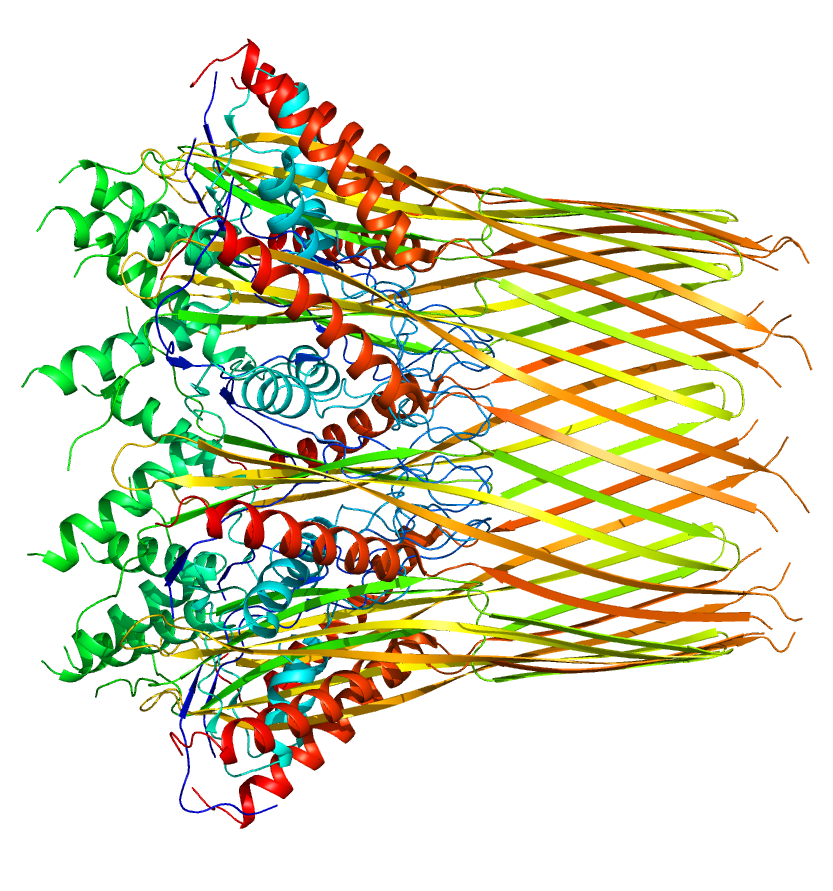


 Five years ago today on July 14, 2015, the

 This week on How on Earth, Beth interviewed Scott Lehman of the University of Colorado here in Boulder. Dr Lehman collaborated with a team at NOAA, to develop a novel technique to identify the CO2 released by burning of fossil fuels, allowing its exact calibration in the global carbon budget. Due to technical difficulties, you can’t hear Beth’s questions in the audio, but Scott’s responses are very clear. You can find more information at his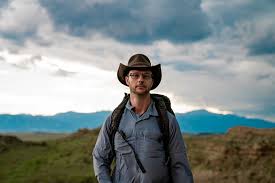
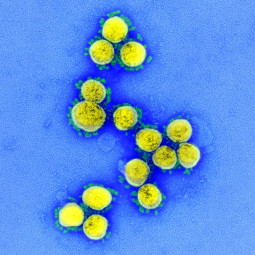
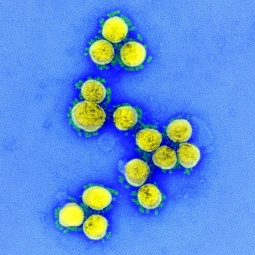 This week on How on Earth, Beth delves into the science of vaccination for the new corona virus and speaks with Dr David Werner of SUNY Binghamton about his research on the likelihood that general anesthetics can set children and adolescents up for the risk of later alcohol abuse. Find out more at his

 Today on How on Earth, Beth plays part of a