On today’s show Beth talks with Dr Elissa Epel, about her book, The Stress Prescription,Seven Days to More Joy and Ease. As the director of UCSF’s Aging, Metabolism, and Emotion Center and associate director of its Center for Health and Community, she studies stress, aging, and obesity. Her book is quick and easy to read yet leaves you with so many applicable practices that can change your outlook and reduce the stress in your life while simultaneously giving you the basic science on the how and why of stress and the role of the techniques she espouses. And, an upcoming lecture on the CU Boulder campus on bioarcheology, March 15. Executive Producer: Beth Bennett Show Producers Beth Bennett and Leilani Henry Engineer Shannon Young
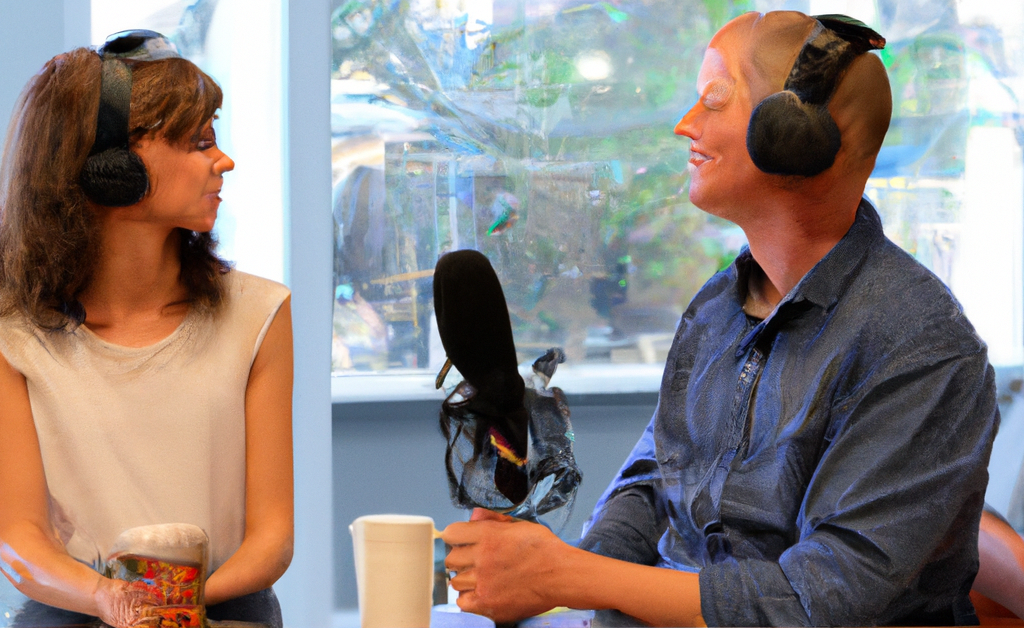
We asked ChatGPT to write a description of what such an interview might be:
Dr. Casey Fiesler joins Joel Parker on the KGNU radio science show How on Earth to discuss generative AI and its recent breakthroughs, such as ChatGPT and DALL-E. Fiesler explains that these AI models use deep learning algorithms to generate new content, such as text or images, based on patterns found in existing data. She acknowledges the impressive capabilities of these models, such as DALL-E’s ability to create highly realistic images from textual prompts. However, Fiesler also raises concerns about the potential negative impacts of generative AI, including the perpetuation of biases found in training data or the creation of harmful fake content. Fiesler emphasizes the importance of responsible development and use of these technologies, as well as ongoing research into addressing these issues.
After you listen to the show, you can determine how accurate is that description. And can you identify the three interview questions we asked that were generated by ChatGPT?
Host & Producer: Joel Parker Executive Producer: Beth Bennett Featured Music: “Reflection” – generative music by Brian Eno
Your Brain on Music (start time: 6:18): Most people love music, whether it’s opera music, jazz, rock-n-roll, gospel, nursery rhymes or another genre. Whether you’re a trained professional or someone who just likes to sing in the shower or listen to your favorite playlists, you’ve likely felt the power of music in shaping your thoughts, feelings and behavior. But how?
Many scientists have been researching how music affects the human brain, and how music can help treat many neurological and other disorders. Today, host Susan Moran interviews Indre Viskontas, a cognitive neuroscientist and associate professor of psychology at the University of San Francisco. She’s also a classically trained opera singer and a director. Her 2019 book is How Music Can Make You Better. And Dr. Viskontas also directs communications for the Sound Health Network, an initiative that promotes research and public awareness of the impact of music on health and well-being. She also hosts a podcast called Inquiring Minds.
Host, Producer: Susan Moran Engineer: Shannon Young Executive Producer: Beth Bennett
In this episode, Jill Sjong interviews Wild Nature Media‘s David Neils who has been studying mountain lions and other apex predators in Colorado’s wild lands for over 20 years using remote cameras. They visit one of the front range’s best habitats for mountain lions, the Sylvan Dale Guest Ranch, located near where the Big Thompson Canyon opens up west of Loveland. Sylvan Dale has put 70% of its land into a conservation easement.
We get answers to our mountain lion questions: what is predictable about them? What are our greatest misunderstandings about them? What makes certain Colorado lands such an ideal habitat for them? In what ways are they remarkably different from other apex predators? How are their populations doing? And what about the recent media coverage on mountain lions?
Listeners can learn more about mountain lions and other apex predators at Wild Nature Media, and sign up for presentations, workshops and nature hikes.
Host and Producer: Jill Sjong Executive Producer: Beth Bennett
NASA’s James Webb Space Telescope – JWST – was launched on December 25th, 2021. We talked with scientists and engineers about JWST’s first year and some of the projects it is being used for. In this second part of our JWST special, our guests and their projects are:
This week on How on Earth, Beth speaks with Professor Carol Gigliotti about her new book, The Creative Lives of Animals. She provides a new perspective on animals as agents in their own lives, as valuable contributors to their world and ours, and as guides in understanding how creativity may contribute to conserving the natural world. Presenting a powerful argument for the importance of recognizing animals as individuals and as creators of a healthy, biodiverse world, this book offers insights into the creativity of animals.
Executive Producer: Beth Bennett Show Producer: Beth Bennett Additional Contributions: Susan Moran, Tom McKinnon, Joel Parker Engineer: Shannon Young
Cognitive Scores on New Drugs versus Bredesen Program (on right) source Apollo Health
Various experts share pros and consabout Lecanemab (starts 1:00) the newly approved drug for Alzheimer’s.
Dale Bredesen of Apollo HealthCo (starts 5:30) shares his criticisms of the new Alzheimer’s drug and gives recommendations for better ways to improve cognition.
Olive Oil reduces Dementia Risk Harvard Study shows a 29% reduction in risk of dying from Dementia among people who consume a little olive oil every day, compared to people who don’t consume olive oil.
Aricept is associated with faster long-term memory decline Aricept is often prescribed for improving cognition among people diagnosed with memory impairment. A second study reports that among people who take drugs like Aricept, “previous analysis of observational studies indicates such individuals experience greater rate of decline on cognitive testing than those not receiving such medications.”
Previous Science Show Interviews . . . about Dale Bredesen: Alzheimer’s Reversal (The Health Hacker’s Group, APOE4.Info and Dale Bredesen’s book The End of Alzheimer’s ) New Treatments for Alzheimer’s (Dale Bredesen’s book, The First Survivors of Alzheimer’s)
Salmonella Biofilms (How non-human, Curli Amyloid Protein similar to the beta amylooid proteins created within our bodies, can enter the bloodstream from intestinal infections such as e-coli and salmonella)
Leprosy Tango This skit is by a health expert on leprosy. It includes the lyrics.
Executive Producer: Beth Bennett Show Producer: Shelley Schlender Additional Contributions: Stacie Johnson and Beth Bennett Engineer: Shannon Young
Colorado’s Solid Power Solid State electric car battery
Better Electric Car Batteries are a key to moving toward all-electric cars. While the standard liquid lithium ion/graphite battery is making advancements, this week’s show focuses batteries that add new materials to the mix for batteries that could be safer, faster charging and longer range. Featured are Colorado’s Solid Power solid state battery, the Sila Battery that includes silicon, and the new Nyobolt‘battery that uses the rare earth metal niobium. Experts who provide explanations include Doug Campbell, Solid Power cofounder and former CEO, John Capodilupo, CoFounder of WHOOP! Fitness tracker (WHOOP is the first commercial product using a new – in this case, Sila’s), industry analyst Mark Newman, plus a common sense look at batteries from Shelley’s neighbor Bill.
On today’s show, Beth speaks with Michael Stein, primary care physician and researcher, who has been writing about medicine and public health for decades. In Me Vs Us, he instigates a conversation about how we might change the current situation in which public health loses out to individual medicine and how public health nevertheless holds the solutions to our most concerning health crises, such as Covid-19 and obesity. In the end, Stein argues, we need to recover and sharpen our sense of health based on a reverent appreciation of both the health care and public health perspectives.
Executive Producer: Beth Bennett Show Producer: Beth Bennett Additional Contributions: Benita Lee and Shelley Schlender Engineer Shannon Young

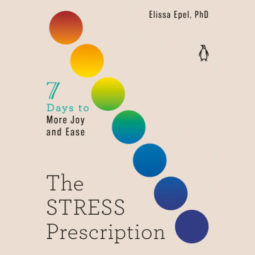 On today’s show Beth talks with Dr Elissa Epel, about her book, The Stress Prescription,Seven Days to More Joy and Ease. As the director of UCSF’s Aging, Metabolism, and Emotion Center and associate director of its Center for Health and Community, she studies stress, aging, and obesity. Her book is quick and easy to read yet leaves you with so many applicable practices that can change your outlook and reduce the stress in your life while simultaneously giving you the basic science on the how and why of stress and the role of the techniques she espouses. And, an upcoming lecture on the CU Boulder campus on bioarcheology, March 15.



 Your Brain on Music (start time: 6:18): Most people love music, whether it’s opera music, jazz, rock-n-roll, gospel, nursery rhymes or another genre. Whether you’re a trained professional or someone who just likes to sing in the shower or listen to your favorite playlists, you’ve likely felt the power of music in shaping your thoughts, feelings and behavior. But how?

 NASA’s

 This week on How on Earth, Beth speaks with Professor Carol Gigliotti about her new book,

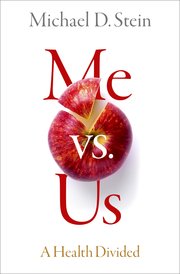 On today’s show, Beth speaks with Michael Stein, primary care physician and researcher, who has been writing about medicine and public health for decades. In