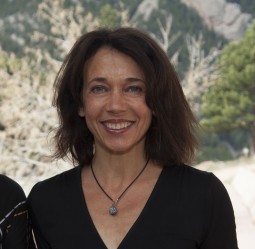
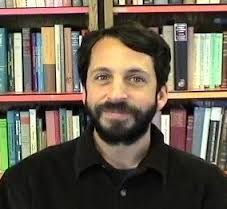

Feature 1 – Carnegie Professor of the Year (start time 5:40): Join the KGNU How On Earth team and CU physicist and Carnegie Teacher of the Year Dr. Steve Pollock to learn about the pain and pleasure of learning physics. Pollock teaches both upper and lower division physics classes, and according to a former student and oceanographer who now teaches at Front Range Community College he is “a huge bundle of energy!” Faculty from four institutions are given the Carnegie Award each year. At CU, Pollock joins physicist and Nobel-prize winner Carl Wieman, who was honored by Carnegie in 2004.
Feature 2 – Oil and Gas Air Pollution (start time 14:48): CU atmospheric chemist Dr. Chelsea Stephens shares what she’s learning about air pollution near Front Range oil and gas wells. That’s especially timely now that the state is reconsidering its oil and gas air quality regulations.
Hosts: Jim Pullen, Joel Parker
Producer: Jim Pullen
Engineer: Joel Parker
Executive Producer: Beth Bartel
Additional Contributions: Beth Bartel and Brian Calvert

Podcast: Play in new window | Download (Duration: 24:32 — 33.7MB)
Subscribe: RSS





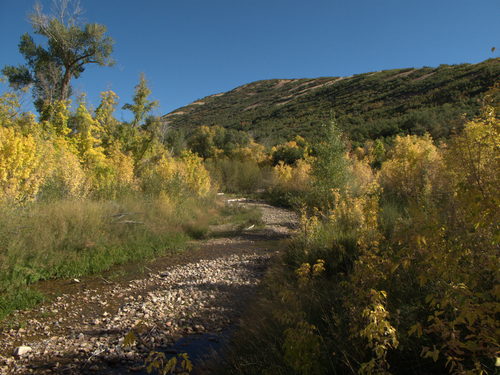

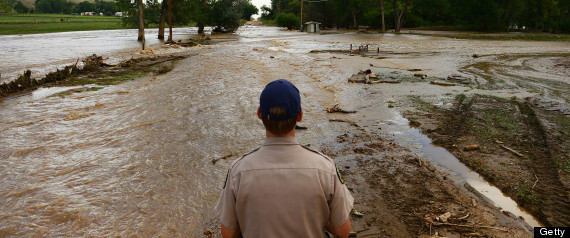
 Feature 1 – Flood Winners & Losers : Last month’s deluge cut canyons, real and felt, through many of our lives, but nature helps us remember that floods can build too. In this feature, How on Earth’s Jim Pullen speaks with Boulder’s wetland and riparian ecologist Marianne Giolitto about flood “winners and losers”. Marianne watches over 45,000 acres of the city’s open space and mountain parks wetlands and riparian habitats. Jim and the Boulder Open Space and Mountain Parks are working together on a
  Feature 2 – 100 Year Starship Symposium :

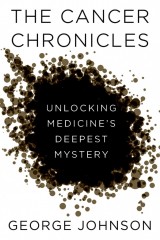 Feature 2 – The Cancer Chronicles (start time 12:22): In his new book,


 Feature 1: (start time: 03:45) Our first guest is Boulder beekeeper Tom Theobald. He talks about the current state of the bee crisis and what, if anything, the EPA is doing to address concerns that systemic pesticides like Clothianidan are properly controlled.