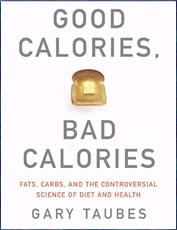
 Good & Bad Calories (starts at 4:50) Ever since the 1970s, the rise of obesity in the United States has an epidemic. Researchers around the world are trying desperately to figure out why so many of us get fat, and what we can do to change that. A large amount of funding, and support from public health policy, goes toward the hypothesis that we get fat because we eat too many calories and do not exercise enough; when someone eats more calories than they need, the instructions go, they should exercise. That’s “Calories in, Calories Out.” But recently, an expert with a different point of view spoke to a packed audience of doctors, staff and medical students at the University of Colorado Medical Center. The expert is Gary Taubes, the author of the New York Times bestsellers “Good Calories, Bad Calories” and “Why We Get Fat“. Taubes is also the recipient of angel investor funds: $60 million to devote to research to better understand how the kinds of foods we eat affect our metabolism. Central to Taubes’ ideas is the opinion that “Calories in, Calories Out” simply cannot be enough to explain, or help people, maintain a healthy weight. In this feature, we provide an excerpt from his talk at the CU Medical School.
 PhD Comics (starts at 13:50) Unless you work in science, you may not always be aware of the humor that goes on among scientists and what the culture is like. So what better way to show the comic parts of science than by way of a comic strip? One of the more well-known science-oriented comic strips is called “PhD Comics” and is written by Jorge Cham, who is trained as an engineer, holds a bachelors degree from Georgia Tech and a PhD in robotics from Stanford. He also was an instructor at Caltech, a researcher in a neuroscience lab, where he studied brain-and-machine interfaces, and he also has a chemistry background. So he has a wide set of experiences to draw on…literally DRAW on…for his comic. We talk with Jorge Cham to find out more about the comic and other ways the scientist comic artist unveils the secret lives of scientists and, in particular, science grad students.
Hosts: Joel Parker, Shelly Schlender
Producer: Joel Parker
Engineer: Jim Pullen
Executive Producer: Susan Moran
Listen to the show:

Podcast: Play in new window | Download (Duration: 24:46 — 22.7MB)
Subscribe: RSS





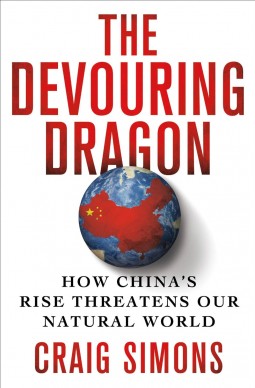 Feature #1 – China’s Environmental Impact (start time 4:46): China’s meteoric economic rise is causing harmful side effects, ranging from choking air pollution domestically to threatened forests, wildlife and air quality around the globe. Of course China’s per capita greenhouse gas emissions still pale in comparison to those in the United States, and roughly one-third of China’s CO2 emissions are generated to manufacture goods that are exported to the U.S. and other nations. Craig Simons, a former journalist and author of a recently published book,
  Feature #2 – 100 Year Starship (start time 15:35): Science and exploration tend to be long-term commitments. That’s well-known by fans of the “Hitchhiker’s Guide to The Galaxy” series, where the computer Deep Thought did calculations for 7.5 million years to find the answer to The Ultimate Question of Life, the Universe, and everything. However, projects on our world tend to be limited by shorter-term political and funding cycles. So it is hard enough to consider projects that require thinking a decade into the future, beyond many political lifetimes. What about projects that require thinking a century or more into the future, many generations from now? Well, that is exactly what one group of space exploration advocates is working toward. The project is called the









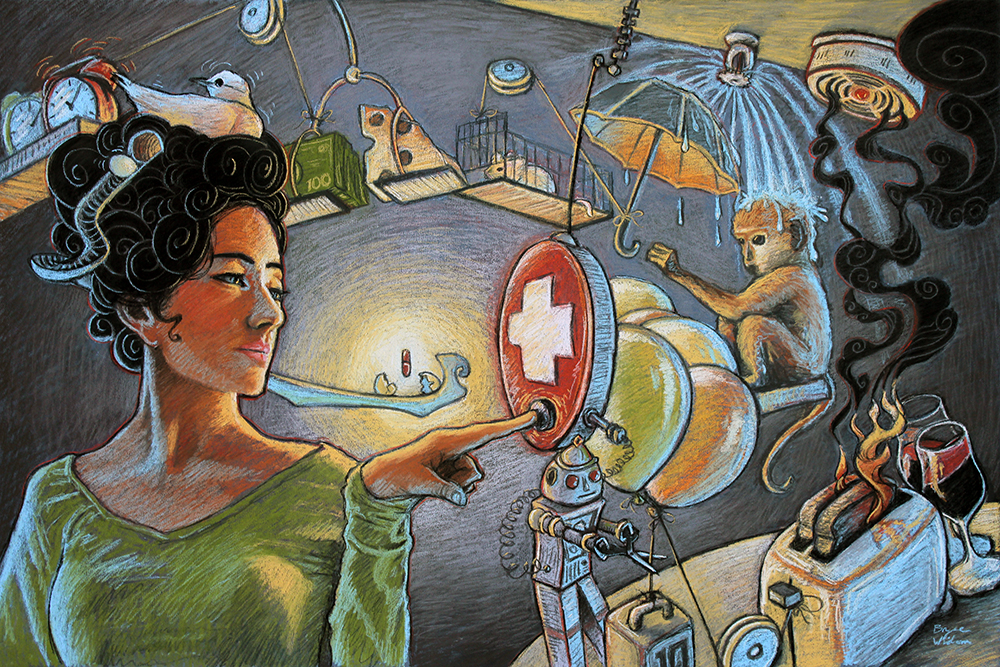


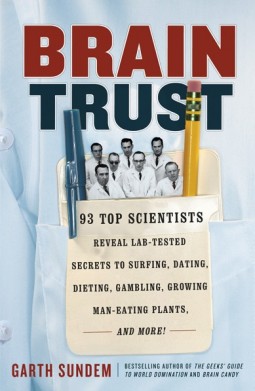 Brain Trust (starts at 4:23) When you are trying to make a decision about something important or having a disagreement with someone, don’t you sometimes wish you had a scientist with you – a world expert on the topic at hand – to help you out? In fact, it would be great to have dozens of experts in many fields available, sort of your own personal Brain Trust. Well, luckily
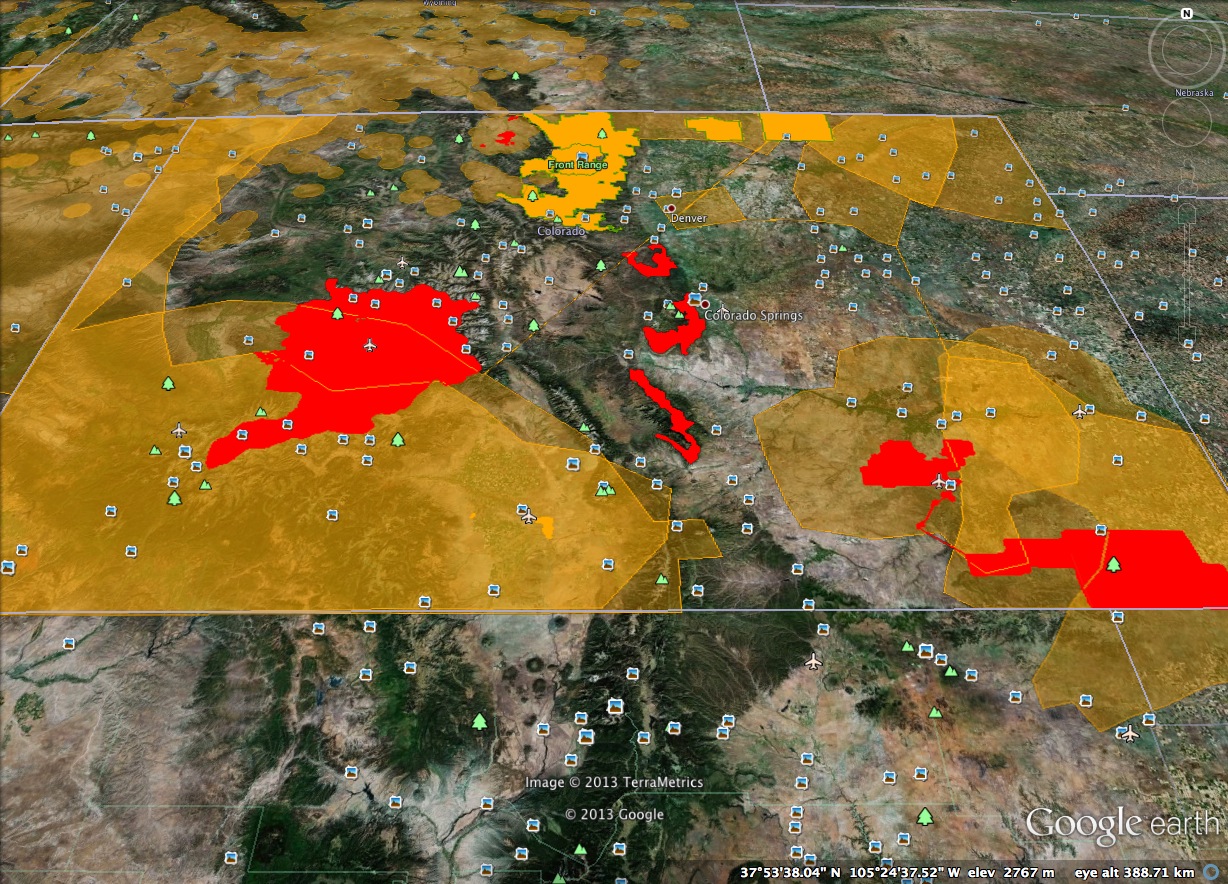
  Drought (starts at 15:10) Given all the rain and snow on the Front Range and beyond lately, you’d think that Colorado is emerging from the persistent drought, right? But last year was one of the hottest and driest on record in the state and some regions have yet to recover. Among those who have suffered the most from the persistent drought are farmers and ranchers. In fact, some have sold off cattle and even shuttered their businesses. That said, high prices have boosted profits for some wheat farmers, for instance. To find out just how badly many farmers and ranchers have been hit by the drought, researchers at Colorado State University have been surveying them annually for a while. Host Susan Moran talks with Christopher Goemans, a resource economist in the