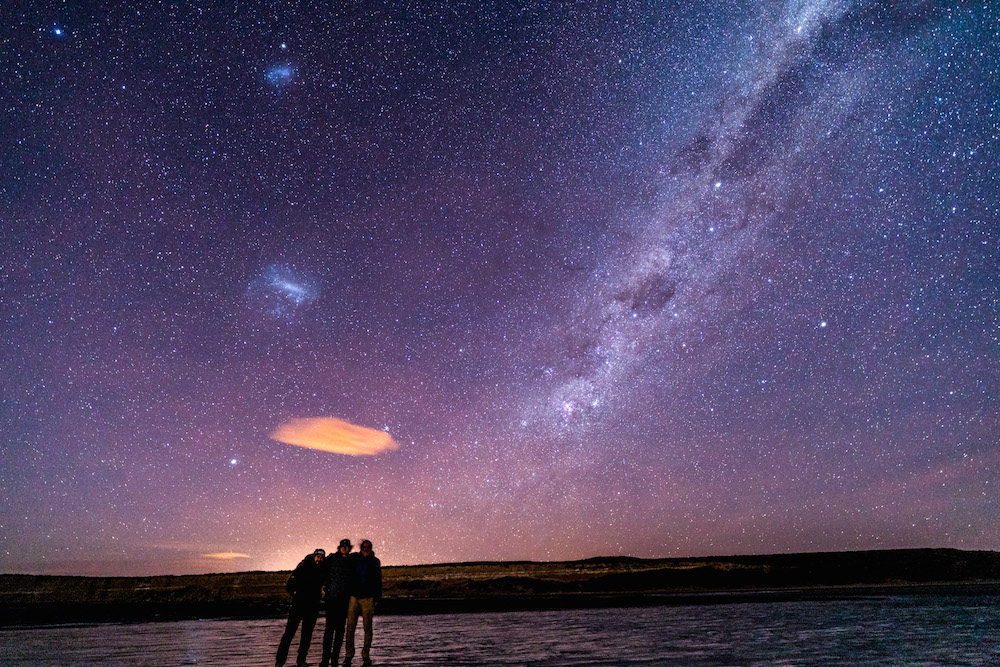
(Photo: Jack Jewell)
Chasing Shadows [starts at 9:40] Astronomy is a science that depends on watching things happen in the universe that we don’t have control over: supernovae, formation of stars, orbits of planets, and the spectacle of solar eclipses. You can’t grab a distant galaxy and bring it into the lab for experiments, so astronomers have to depend on studying the light that fortuitously comes to them from distant objects. However, by studying just that light, we can learn much about the objects in the universe and how they formed and evolved. For example, studying solar eclipses have taught us about the corona of the sun and about general relativity. To make those observations and measurements, scientists have to chase the shadow and set up their laboratory in remote places to catch it. In this edition of How on Earth we talk with one such shadow-chaser: astronomer Dr. Marc Buie from the Boulder office of the Southwest Research Institute. Marc organized a set of expeditions around the Earth to observe occultations of the Kuiper belt object 2014 MU69, which is is the next flyby target of the New Horizons space mission that flew past Pluto in July 2015. He explains the science of occultations, what can be gleaned from these shadowy observations of 2014 MU69, and talks about planning for observation expeditions to remote places around the world.
Hosts: Joel Parker, Chip Grandits
Producer / Engineer: Joel Parker
Executive Producer: Alejandro Soto
Listen to the show:

Podcast: Play in new window | Download (Duration: 27:53 — 25.5MB)
Subscribe: RSS


 Today’s show offers the following feature:
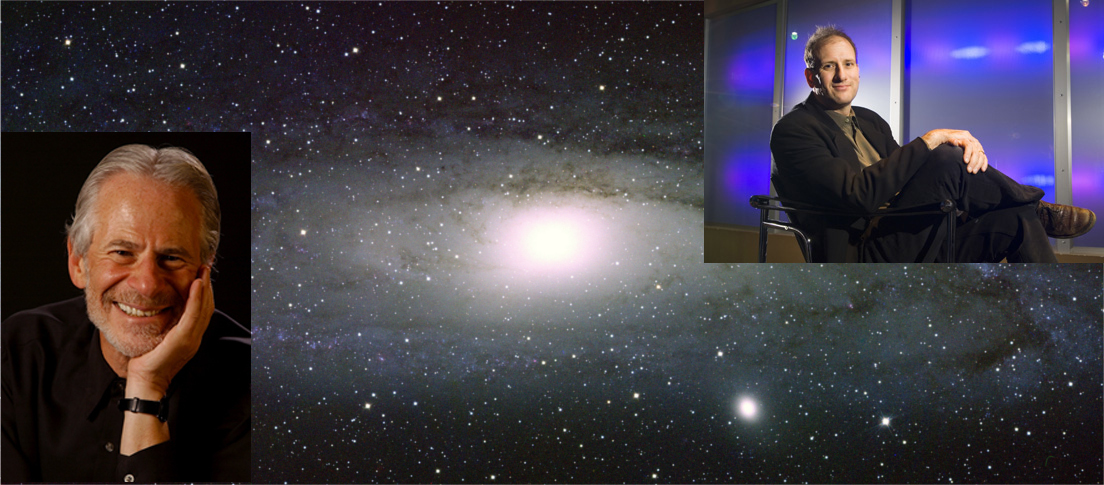


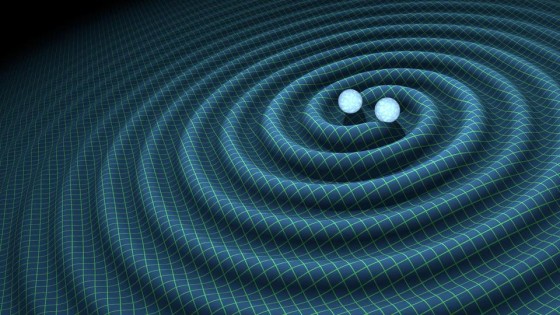 Interview with LIGO Scientist Dr. Matt Evans (6:22): The recent big news in physics was the announcement of the first direct detection of gravitational waves. The detection was made by the



 Massive stars (start time 6:45)
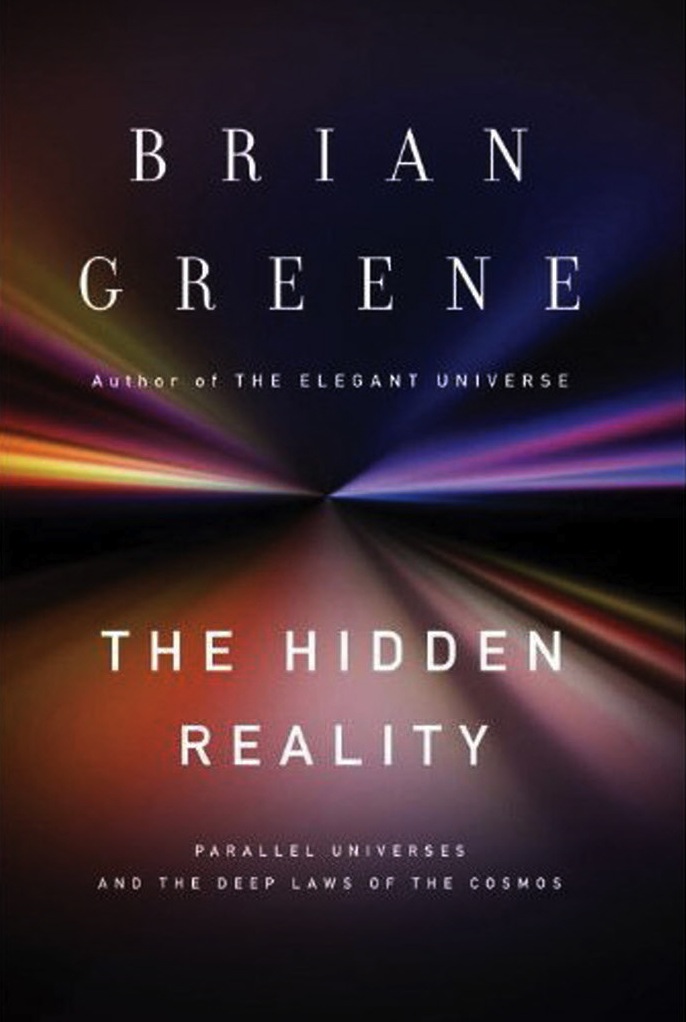
 The concept of a parallel universe, a universe remarkably like our own but with some subtle difference, has been the staple of science fiction stories for years. But it is an idea that is seriously discussed in real science starting many decades ago when physicists wrestled with the weird implications of Quantum Mechanics, and recently has appeared in many other guises in other areas of physics. One of the leading scientists in studying these ideas and explaining the mind-bending concepts to non-experts is Professor