
The Loneliness Epidemic – Social media fuels extra risk. Especially vulnerable are people undergoing transitions . . . such as college students, who today share what can lead loneliness and how to heal from it. CU-Boulder senior Lorraine Healey also talks with Colorado State University “Friendship Researcher” Natalie Pennington about why times of transition can trigger loneliness but also be important times for growth.
Hosts: Mac Hebebrand, Benita Lee and Lorraine Healey
Show Producers: Lorraine Healey and Shelley Schlender
Executive Producer: Susan Moran
Additional Music by Lynn Patrick

Podcast: Play in new window | Download (Duration: 26:55 — 37.0MB)
Subscribe: RSS

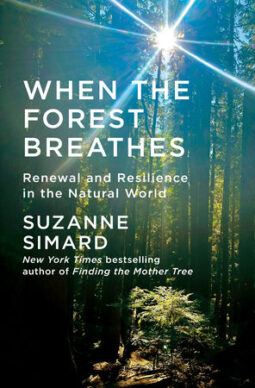 On this week’s How on Earth, Beth speaks with Suzanne Simard,




 How big is the universe – not just in the scale of distance but also the scale of time? What do those…astronomical…scales mean about us humans on Earth and how can we understand and measure such vast expanses? In this episode, our guest, astronomer and author
  On this week’s How on Earth, we hear from a climate scientist about the implications of our changing weather patterns for winter recreation. It’s a warm, dry winter, throughout the Rocky Mountain West and elsewhere in the country, the weather has been a mixed bag.