
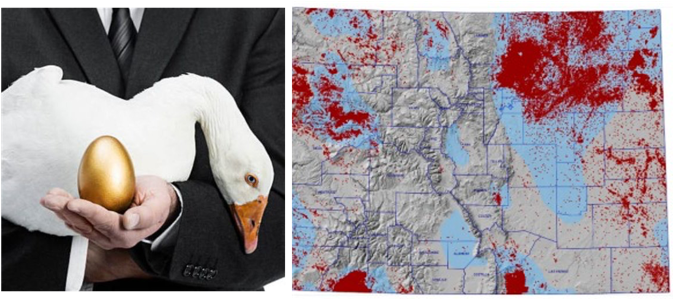
In Part Two of the Shale Revolution, we look at the environmental concerns associated with hydraulic fracturing, particularly the air quality along the Front Range. We interview Detlev Helmig, an atmospheric scientist, who monitors the air quality along the front range. We also discuss why well setbacks are such a contentious issue in Colorado.
Producer and Host: Jill Sjong
Engineer: Maeve Conran
Executive Producer: Jill Sjong
Listen to the show:

Podcast: Play in new window | Download (Duration: 26:19 — 28.3MB)
Subscribe: RSS


 This week on How on Earth, Beth interviewed Scott Lehman of the University of Colorado here in Boulder. Dr Lehman collaborated with a team at NOAA, to develop a novel technique to identify the CO2 released by burning of fossil fuels, allowing its exact calibration in the global carbon budget. Due to technical difficulties, you can’t hear Beth’s questions in the audio, but Scott’s responses are very clear. You can find more information at his
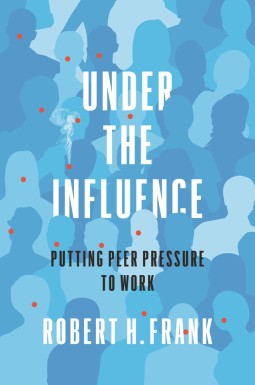
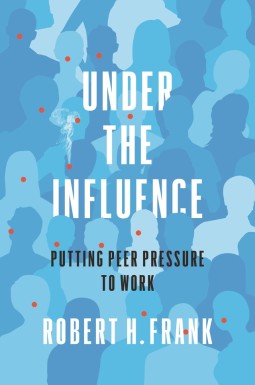 This week on How on Earth we start with an update on the corona virus, focusing on treatments and vaccines. At 12 minutes, we begin our interview with Bob Frank, author of Under the Influence, Putting Peer Pressure to Work. This book explains how we could redirect trillions of dollars annually in support of carbon-free energy sources, all without requiring painful sacrifices from anyone. Dr Frank has developed some novel strategies relying on peer pressure to get people to change their actions so as to reduce carbon emissions and climate change. He also details many prior and successful examples of this type of peer pressure. You can see more at the publisher’s
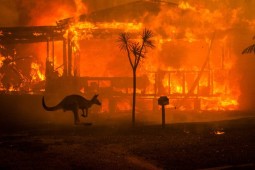
 This week, Beth and Angele speak with with Brenda Ekwurzel in the studio. Brenda is the director of climate science for the Union of Concerned Scientists. She was in Boulder for a panel on Air Quality and Climate Change. She spoke about some Colorado issues e.g. wildfire and drought, and assigning responsibility for specific events to fossil fuel producers. She is a widely quoted expert on climate change, and co-authored the UCS guide Cooler Smarter: Practical Steps for Low-Carbon Living. For more information you can visit her