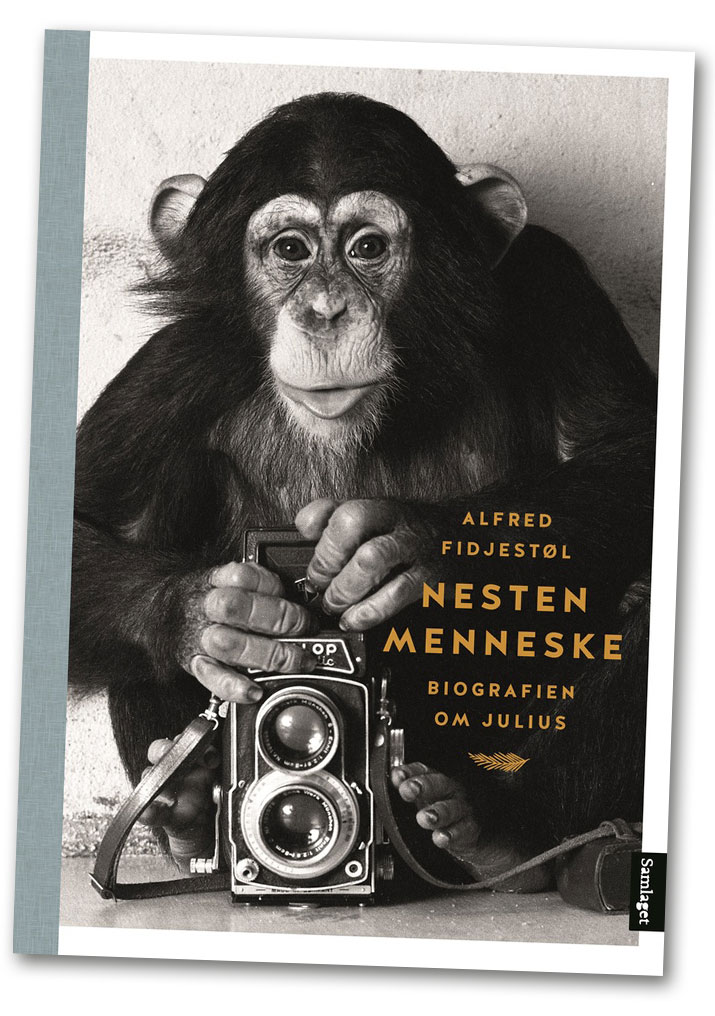
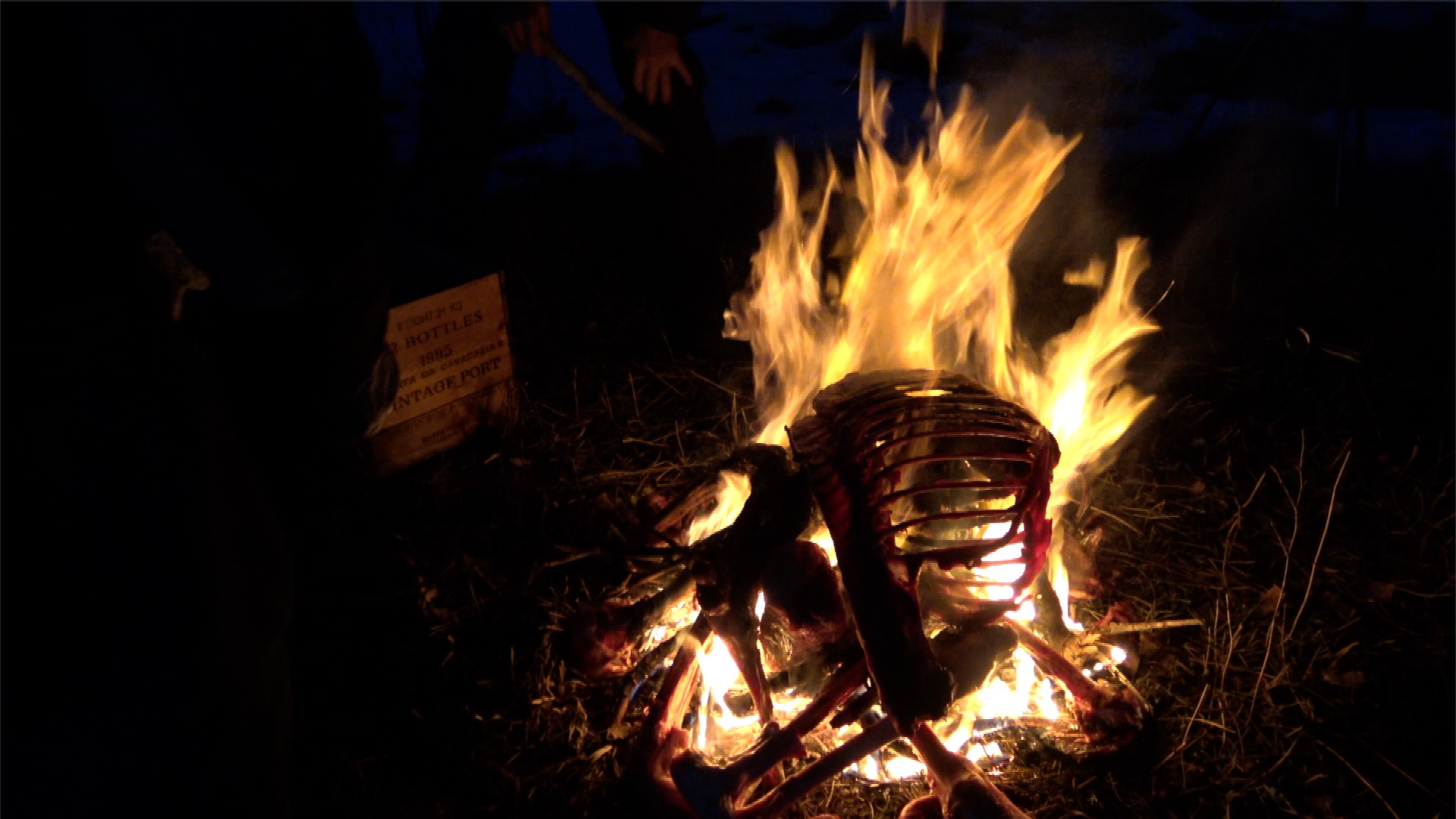
Almost Human – The Story of Julius, the Chimpanzee Caught Between Two Worlds (Extended Version) by Alfred Fidjestøl. This is the full version of the interview.
Podcast: Play in new window | Download (Duration: 27:43 — 25.4MB)
Subscribe: RSS
The KGNU Science Show
Almost Human – The Story of Julius, the Chimpanzee Caught Between Two Worlds (Extended Version) by Alfred Fidjestøl. This is the full version of the interview.
Podcast: Play in new window | Download (Duration: 27:43 — 25.4MB)
Subscribe: RSS
Almost Human: The Story of Julius, the Chimpanzee Caught Between Two Worlds. In this fall pledge drive show, we feature
(We’ll broadcast the full interview with Alfred Fijestol at a later date.)
Hosts: Shelley Schlender & Chip Grandits
Producer/Engineer: Shelley Schlender
Executive Producer: Joel Parker
Podcast: Play in new window | Download (Duration: 27:42 — 25.4MB)
Subscribe: RSS
Amazon Burning – (starts 3:15) CU Boulder Earth Lab Director Jennifer Balch explains how the burning of the tropical rain forests may destroy them, and ways to protect the forests and sustainable development
Hosts: Shelley Schlender, Susan Moran
Producer/Engineer: Shelley Schlender
Executive Producer: Beth Bennett
Podcast: Play in new window | Download (Duration: 28:16 — 32.4MB)
Subscribe: RSS

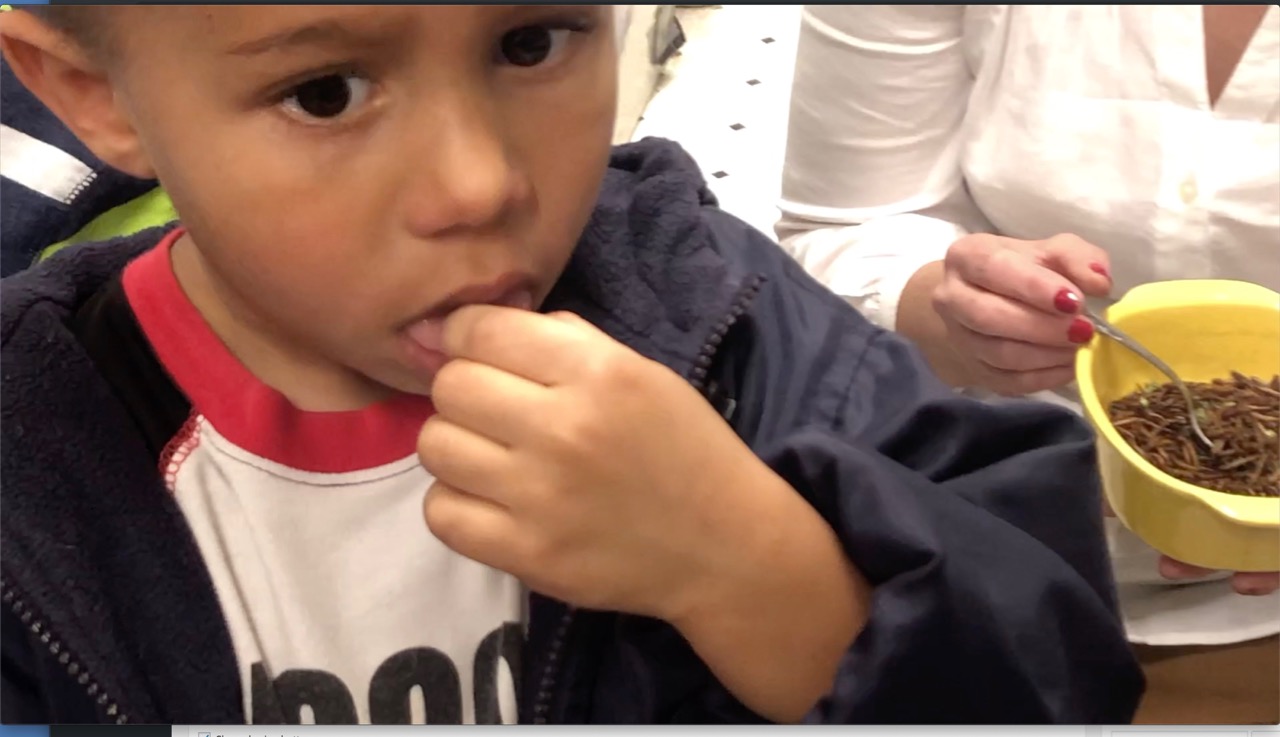
Edible Bugs (Entire Program) When it comes to an animal that has high quality proteins and fats, plus a very small environmental footprint, there’s more bang to the bug. We talk about, and taste, edible bugs with Wendy Lu McGill, founder of Rocky Mountain Micro Ranch, and Amy Franklin, Founder of Farms for Orphans that teaches orphanages in Africa how to grow edible insect larvae as food for the orphanages. Terry Koelling and his grandchildren have their first ever, on purpose, taste of insects, and chefs at Denver’s Linger Restaurant explain why Linger offers entrees that feature edible bugs — and they even see if Koelling and his grandchildren will eat them.
Host, Producer, Engineer: Shelley Schlender
Executive Producer: Beth Bennett
Podcast: Play in new window | Download (Duration: 25:55 — 23.7MB)
Subscribe: RSS

Slime: How Algae Created Us, Plague Us, and Just Might Save Us. (Starts 00:00) We speak with science writer Ruth Kassinger about her acclaimed new book, which Kirkus Review describes as “accessible and enthralling.” Nature Science reports that Kassinger’s book, “ is a real pleasure. ” Publisher’s Weekly writes, “ Kassinger turns an obscure subject into delightful reading.”
Host, Producer, Engineer: Shelley Schlender
Executive Producer: Beth Bennett
Podcast: Play in new window | Download (Duration: 26:27 — 24.2MB)
Subscribe: RSS

Yeast & Entropy (starts 2:30) When yeast cells eat sugar and then give off ethanol, it helps us make yeast breads and beer. But WHY would yeast work so hard to metabolize sugar, simply to spit out as ethanol? This is a mystery that Matthias Heinemann is trying to figure out. Heinemann is a professor of molecular systems biology at the University of Groningen in the Netherlands. His research published in Nature shows that yeast spits out ethanol to protect the yeast from “ metabolic overload.” Heinemann has figured out how to predict when this will happen, using the Gibbs Equation, ie through the perspective of conventional biology. Heinemann seeks clues about metabolism by applying some scientific laws that are best known for explaining machines and engines. They’re the laws of thermodynamics. (TRANSCRIPT HERE)
Host, Producer, Engineer: Shelley Schlender
Executive Producer: Joel Parker
Listen to the show:
Podcast: Play in new window | Download (Duration: 27:36 — 25.3MB)
Subscribe: RSS

We speak with Larry Gold, founder of the Gold Lab Symposium that will take place at CU Boulder’s Muenzinger Auditorium this Friday and Saturday. This year’s symposium will feature leading scientists discussing the double-edged swords of our modern treatments for cancer, immunity and autoimmunity. To sign up or learn more, see Gold Lab Foundation.
Host,Producer,Engineer Shelley Schlender
Executive Producer: Joel Parker
Podcast: Play in new window | Download (Duration: 27:34 — 37.9MB)
Subscribe: RSS
Concussion Test (Starts 1:00) David Howell is chief researcher at Children’s Hospital Colorado. Howell says the century old Romberg Balance Test can help evaluate how long a child will need therapeutic intervention after a blow to the brain.
Pot & Pain Meds (Starts 7:00 ) Mark Twardowski is doctor in Grand Junction who does endoscopic procedures that include pain medications. Twardowski has just published an analysis that shows his patients who use marijuana need more pain medication and sedation during a procedure, such as a colonoscopy, compared to patients who do not report having used marijuana. GO HERE FOR INTERVIEW TRANSCRIPT
Chords and Codons (Starts ) Fulbright Scholar Colin Campbell is a scientist who specializes in spectroscopy. He also composes songs that turn science data into music. Today (April 16th) at 5:30, Campbell’s songs will be part of a performance at CU-Boulder’s Biofrontiers Institute in the Butcher Auditorium.
Hosts/Producer/Engineer: Shelley Schlender
Executive Producer: Joel Parker
Listen to the show:
Podcast: Play in new window | Download (Duration: 26:44 — 24.5MB)
Subscribe: RSS
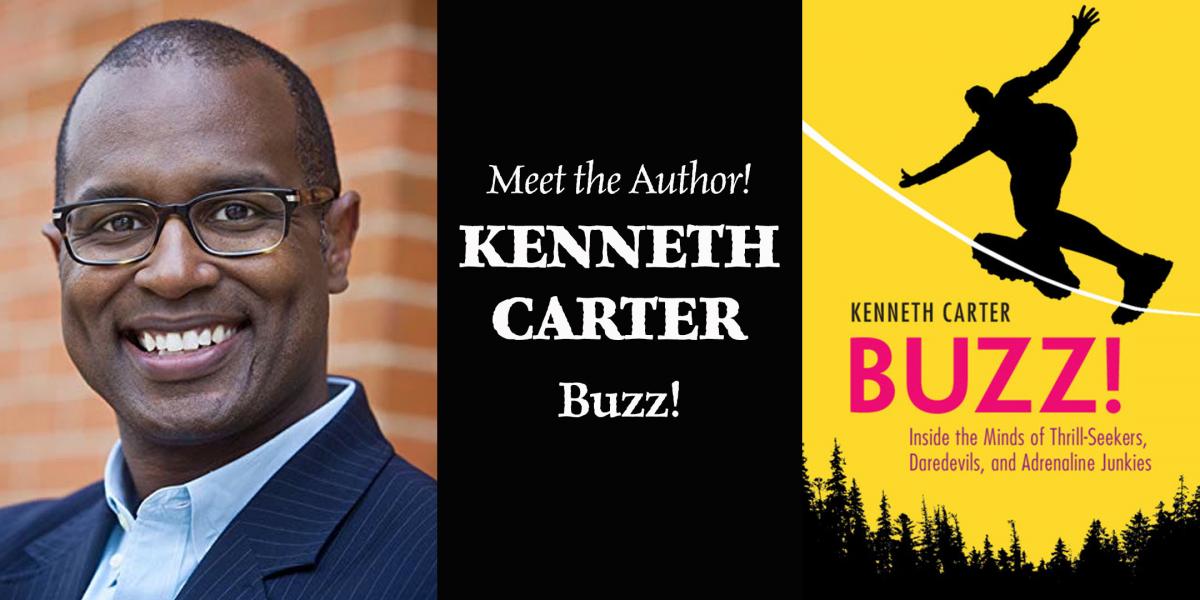
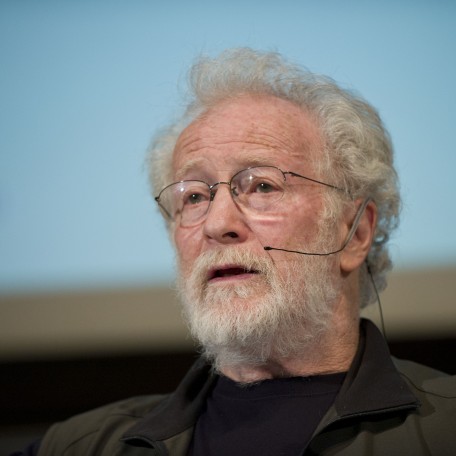
The Goodness Paradox (Starts 5:22): On this week’s show we play the full interview with Richard Wrangham, a primatologist at Harvard University, about his new book, The Goodness Paradox: The Strange Relationship Between Virtue and Violence in Human Evolution. Wrangham discusses with How On Earth hosts Susan Moran and Chip Grandits how, and why, homo sapiens evolved to be both peaceful and violent (less reactively aggressive and more proactively aggressive, like our bonobo ancestors), and what it bodes for the future of human civilization. On the pledge-drive show last week we played short snippets of the interview. And thanks to our listeners who pledged, some of whom received a copy of The Goodness Paradox. And thanks again to Pantheon Books for donating them.
Hosts: Shelley Schlender, Susan Moran
Producer: Shelley Schlender
Engineer: Shelley Schlender
Executive Producer: Beth Bennett
Listen to the show here:
Podcast: Play in new window | Download (Duration: 27:19 — 25.0MB)
Subscribe: RSS
Soft Robotic Muscles (WHOLE SHOW) Robotic Materials are going beyond gears and levers toward powerful components that are softer and more muscular. These materials may someday soon help build more human like prosthetic limbs for amputees. . . . or help a harvesting machine pluck ripe strawberries without squishing them. PhD students Nick Kellaris and Shane Mitchell are with CU Boulder’s College of Engineering and Applied Science — Keplinger Lab. They call their soft robotic muscles HASEL actuators. HASEL stands for Hydraulically Amplified Self-healing Electrostatic actuators.
Hosts, Producer and Engineer: Shelley Schlender
Executive Producer: Susan Moran
Listen to the show:
Podcast: Play in new window | Download (Duration: 26:12 — 24.0MB)
Subscribe: RSS